Somewhere between your late twenties and your forties, a lot of people notice something shifts in the mirror that is hard to name at first. It is not new wrinkles exactly. It is more that your face looks a little tired, a little hollow, or slightly different in a way you cannot quite pinpoint. More often than not, what you are actually seeing is volume loss, and it is one of the most common and most misunderstood parts of facial aging.
Unlike expression lines, which come from repeated muscle movement, volume loss happens because the fat pads, collagen, and bone structure that once supported your face gradually diminish with age. The good news is that this is exactly what dermal fillers are designed to address, and matching the right filler to the right concern makes an enormous difference in how natural the final result looks.
Facial aging is not just about the skin surface. Beneath it, the fat compartments that give cheeks their fullness begin to shrink and shift downward starting in the mid twenties. Bone density in the face also decreases gradually over time, particularly around the jaw and eye sockets. According to research published by the American Society of Plastic Surgeons, this structural volume loss is considered one of the primary drivers of an aged appearance, often more significant than wrinkles themselves.
This is why two people with similar skin texture can look very different in age. Someone with well supported facial structure often looks more rested and youthful, even with visible fine lines, than someone with significant volume loss and smooth skin.
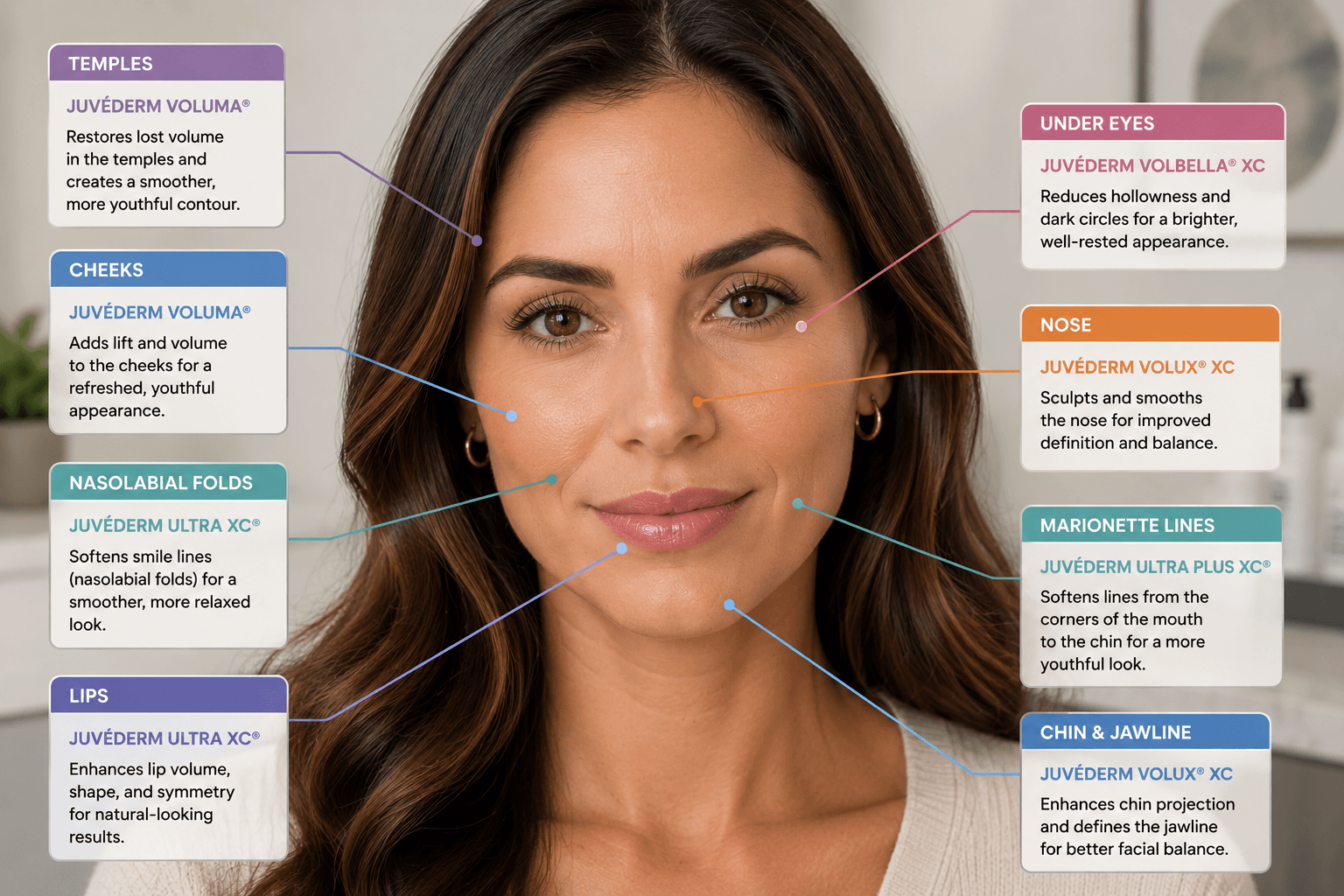
Under eye hollows create a shadow that can make you look tired or older than you feel, regardless of how much sleep you are actually getting. This is one of the most requested concerns in aesthetic consultations because it affects how rested a person appears at a glance.
As cheek volume decreases, the mid face can start to look flat or slightly concave, which often makes nasolabial folds, the lines running from the nose to the corners of the mouth, appear more prominent than they actually are.
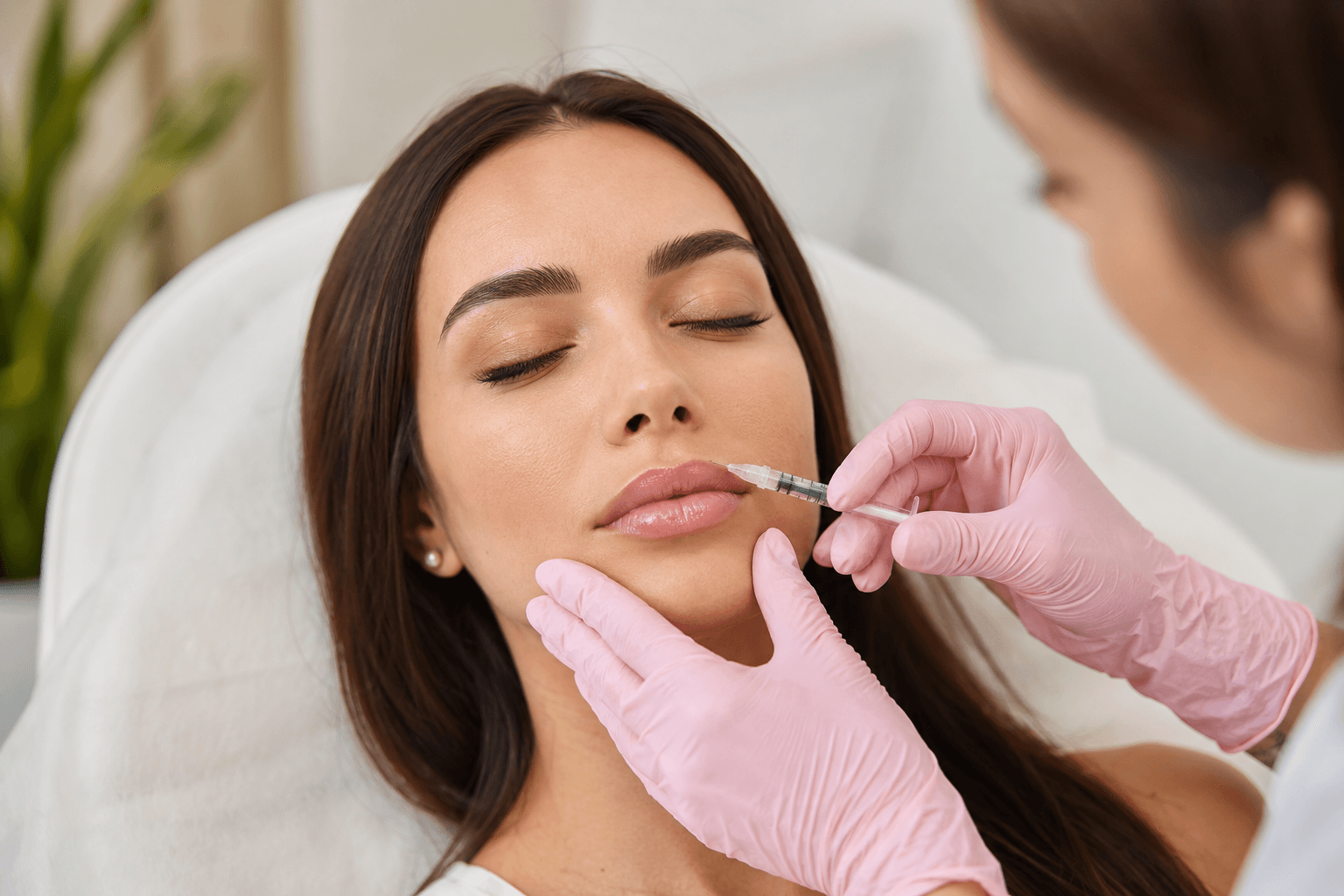
Lip volume naturally decreases with age, and the border of the lip can become less defined. This is different from wanting dramatically fuller lips. Many patients simply want to restore what time has gradually taken away.
Volume loss along the jawline and chin can soften what was once a sharper profile, contributing to a tired or less structured appearance from certain angles.
Most modern fillers are made from hyaluronic acid, a substance the body already produces naturally to keep skin hydrated and structurally supported. When injected strategically, hyaluronic acid fillers restore lost volume, support the skin from beneath, and can even stimulate some natural collagen response over time.
Different filler formulations have different thicknesses and support properties, which is why an experienced injector will often use one type of filler for delicate under eye tissue and a firmer, more structural filler for cheek or jawline volume.
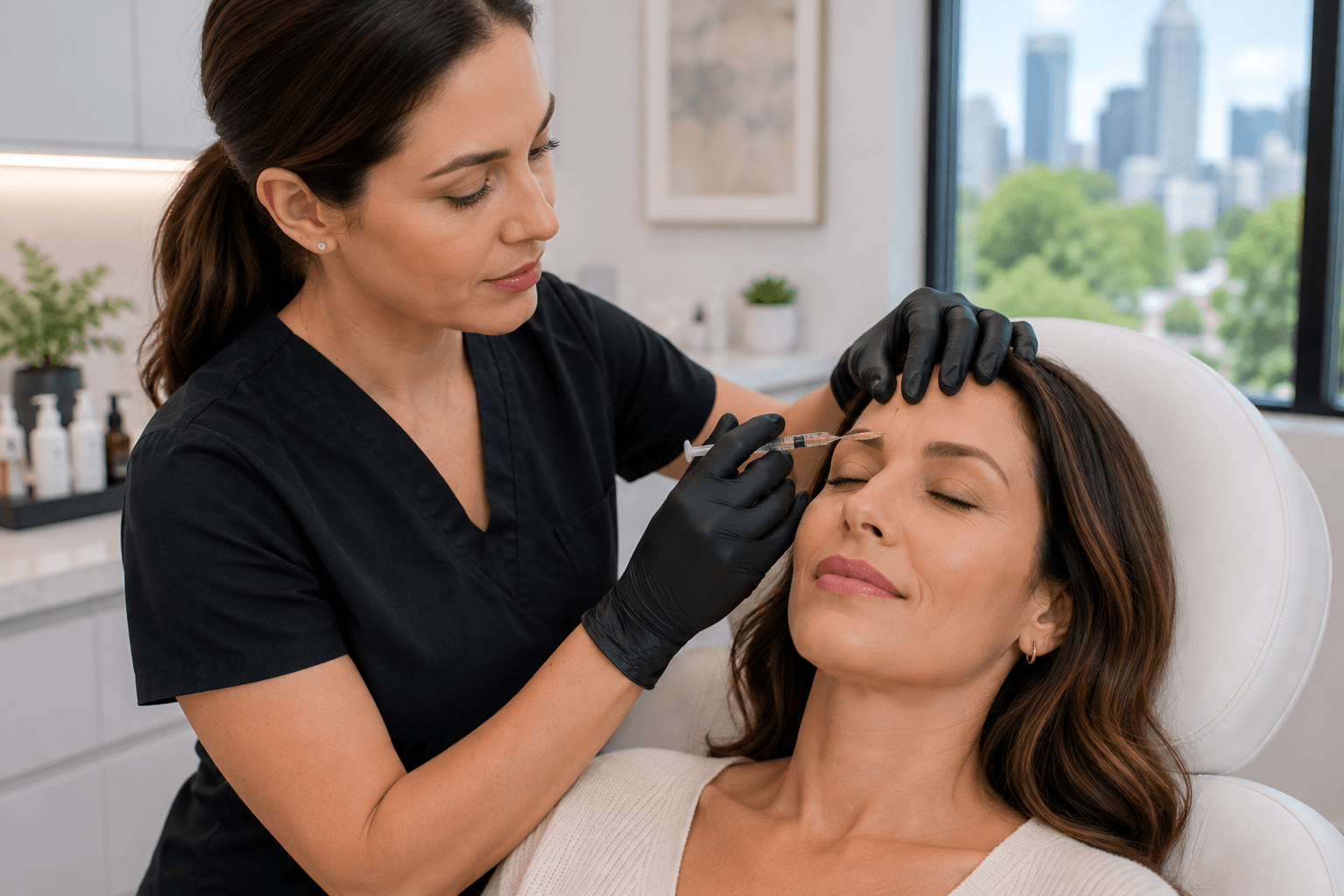
This is one of the more delicate areas to treat, requiring a softer filler and a highly precise injection technique to avoid a lumpy or bluish appearance under thin skin. Because of the complexity involved, this area often benefits most from a provider with specific experience in periorbital treatment.
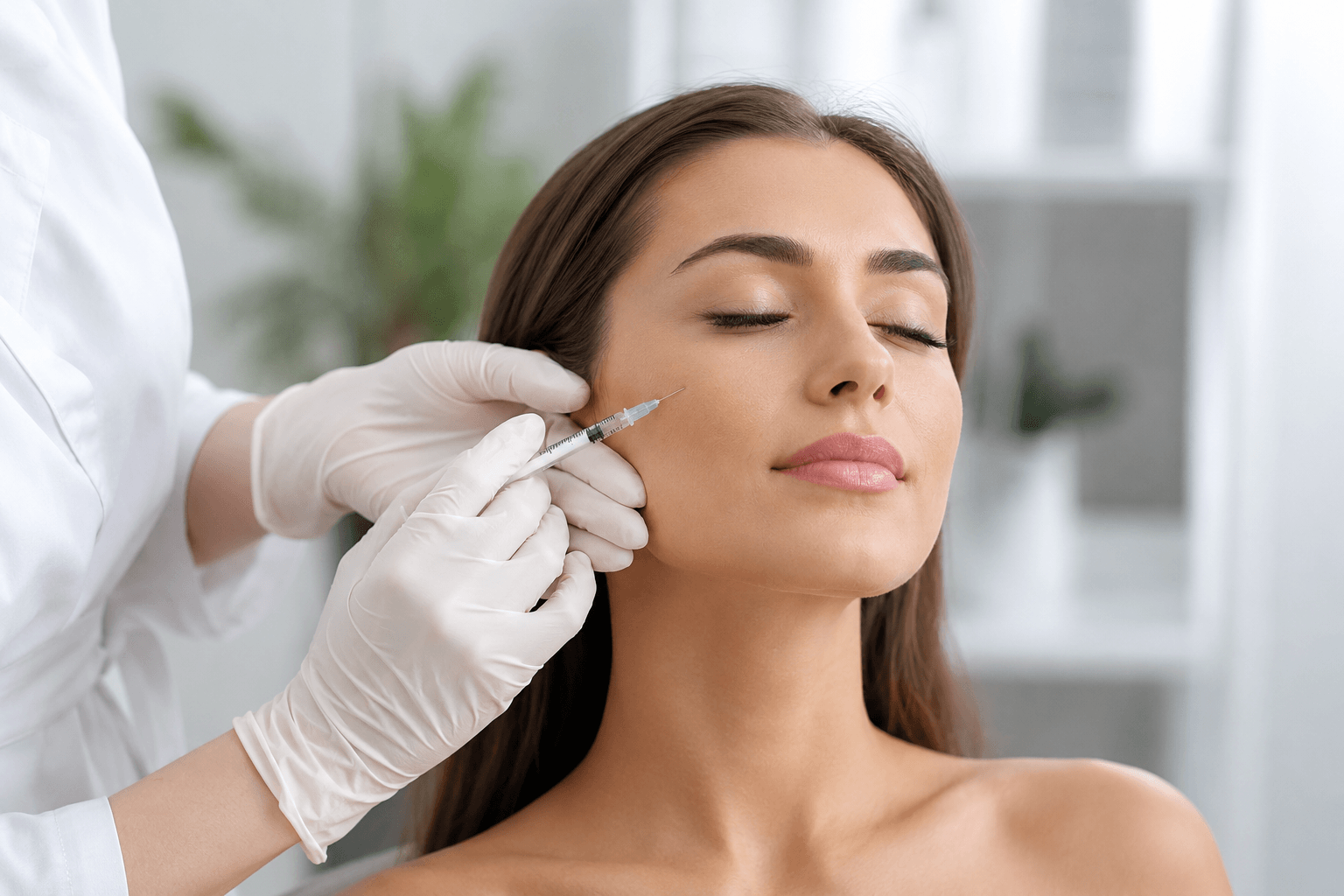
Firmer fillers are typically used here to lift and support the mid face, which can also have a subtle lifting effect on nasolabial folds without directly treating them.
Softer, more flexible fillers are generally used in the lips to maintain natural movement and texture while restoring volume and definition to the lip border.
Structural fillers placed along the jawline can restore definition and improve profile balance, particularly for patients noticing a softer or less defined lower face.
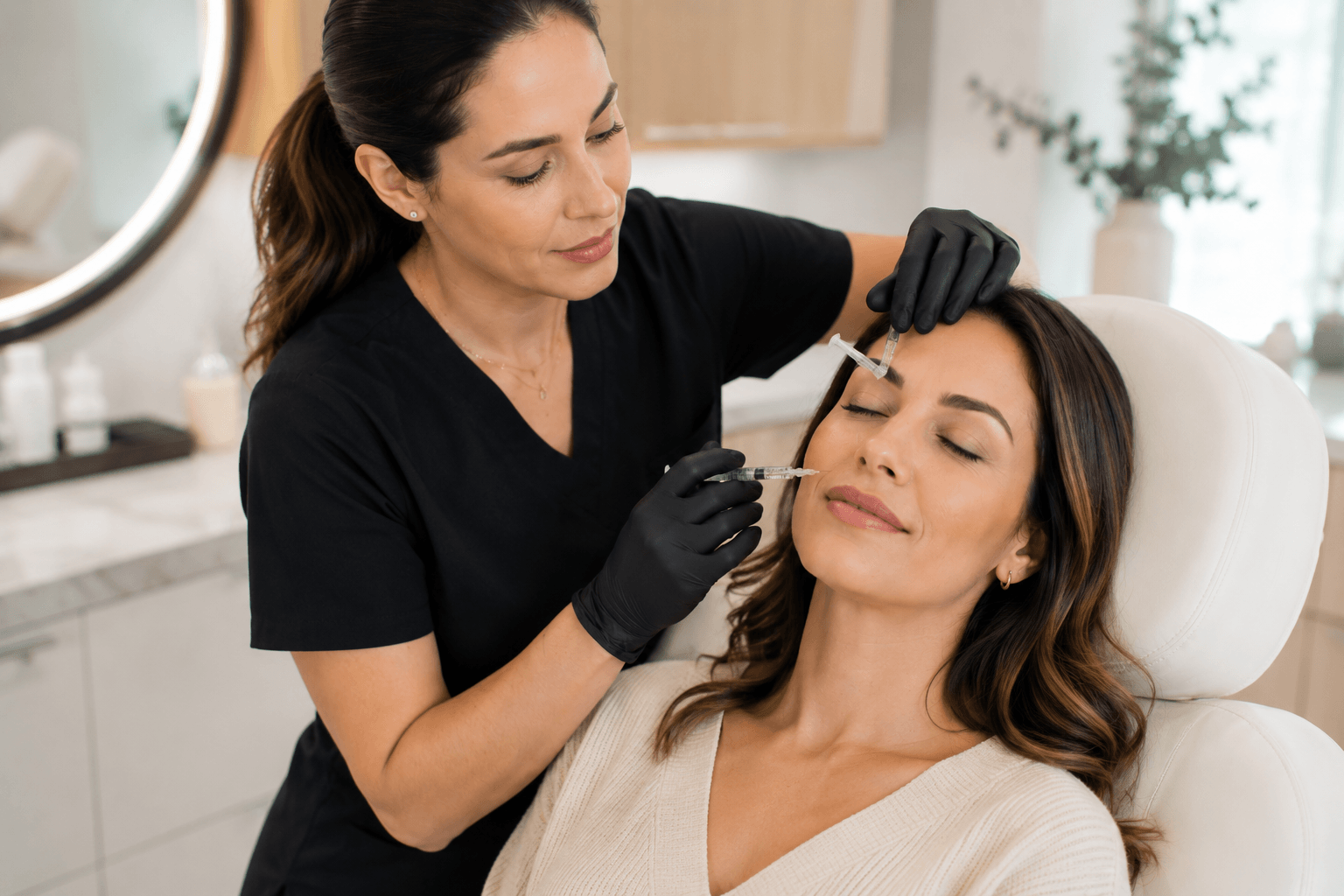
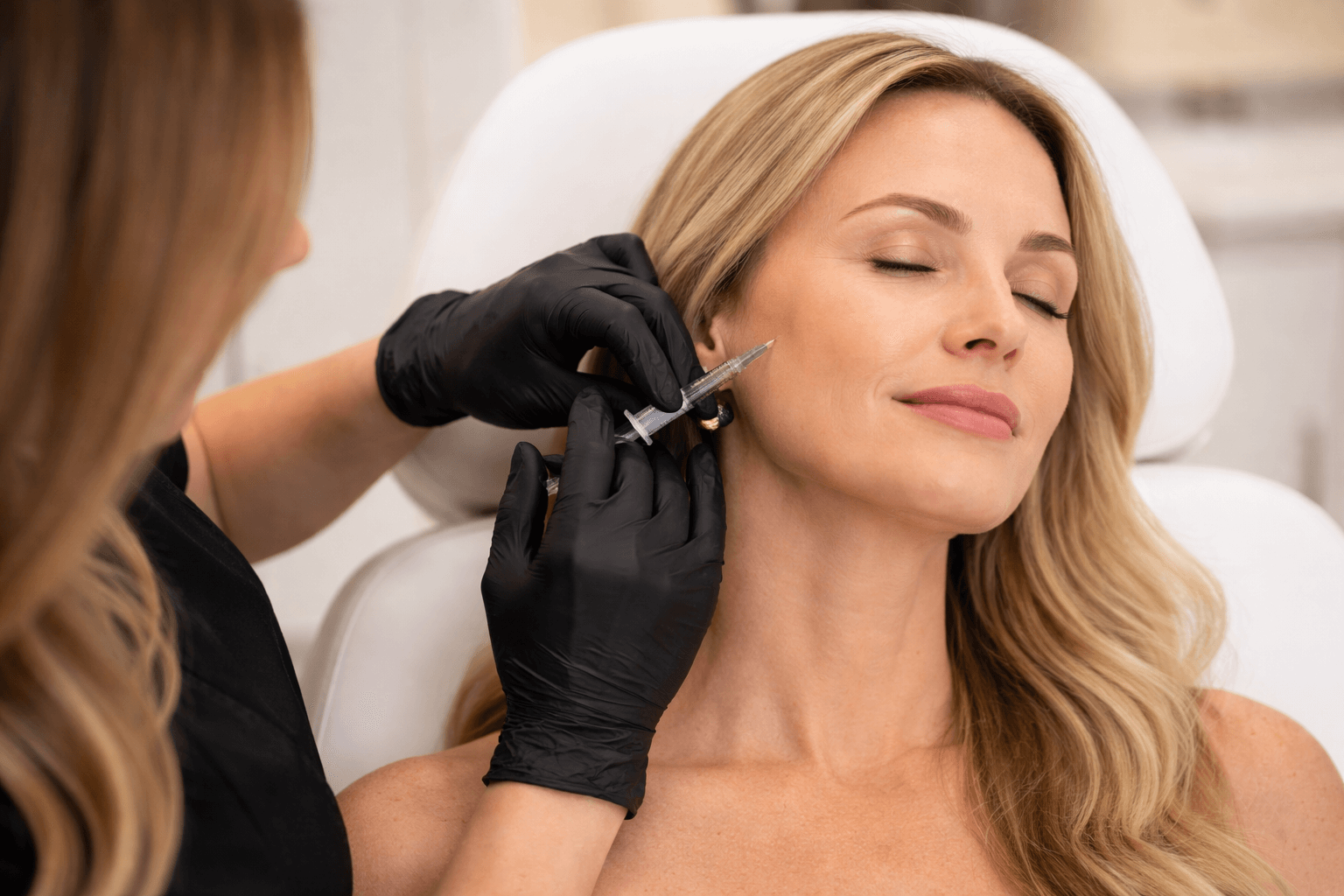
A filler consultation typically starts with an assessment of your facial structure, including where volume has been lost and how that loss is affecting your overall appearance. Treatment itself usually takes thirty minutes to an hour, depending on how many areas are being addressed.
Mild swelling and bruising are common in the first few days and typically resolve within a week to ten days. Results are visible almost immediately, though final settling can take up to two weeks as any initial swelling fully subsides.
Longevity varies significantly by product and treatment area. Areas with more natural movement, like the lips, tend to metabolize filler more quickly than firmer areas like the cheeks or jawline. Most patients can expect results lasting anywhere from six months to over a year, depending on the specific filler used and individual metabolism.
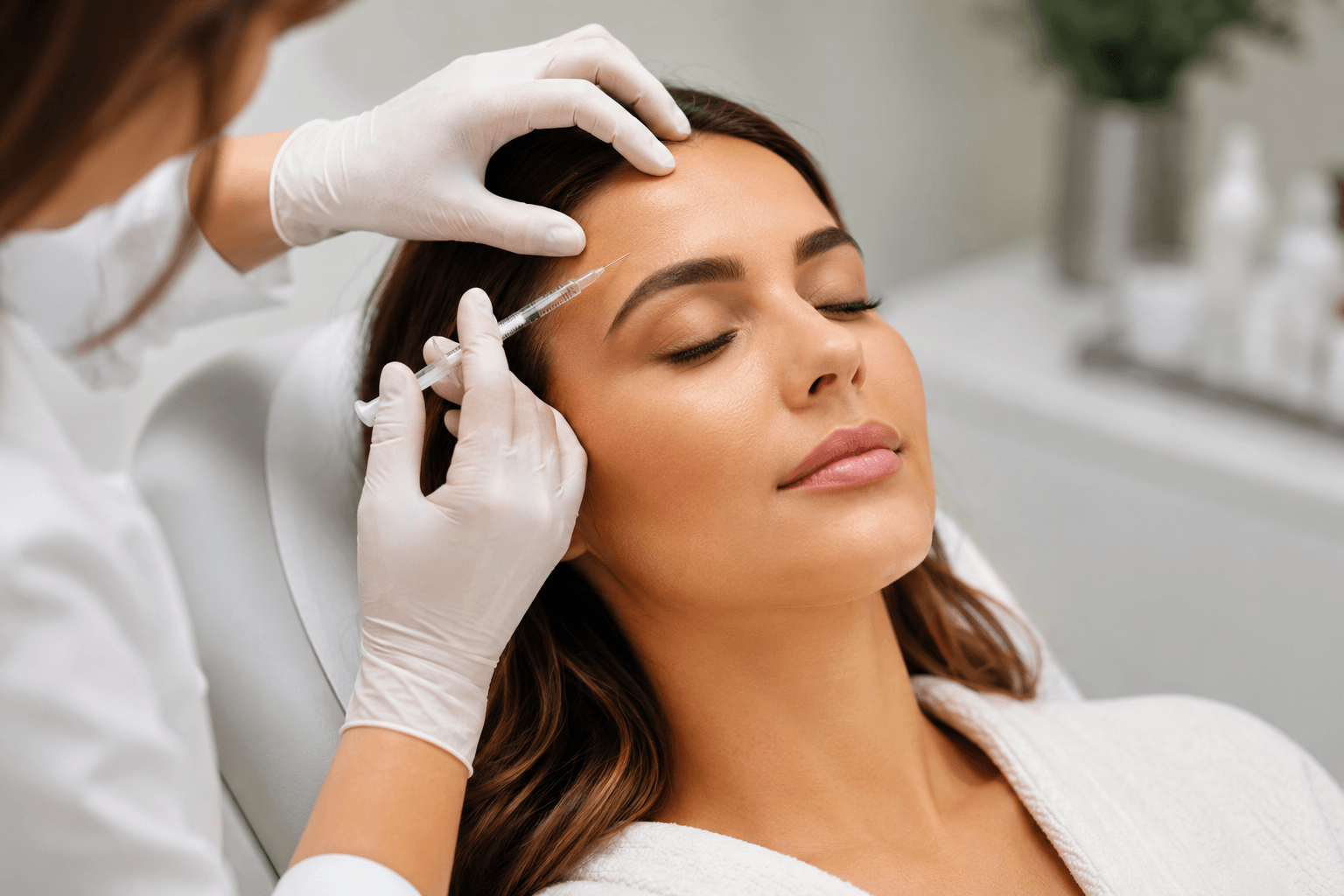
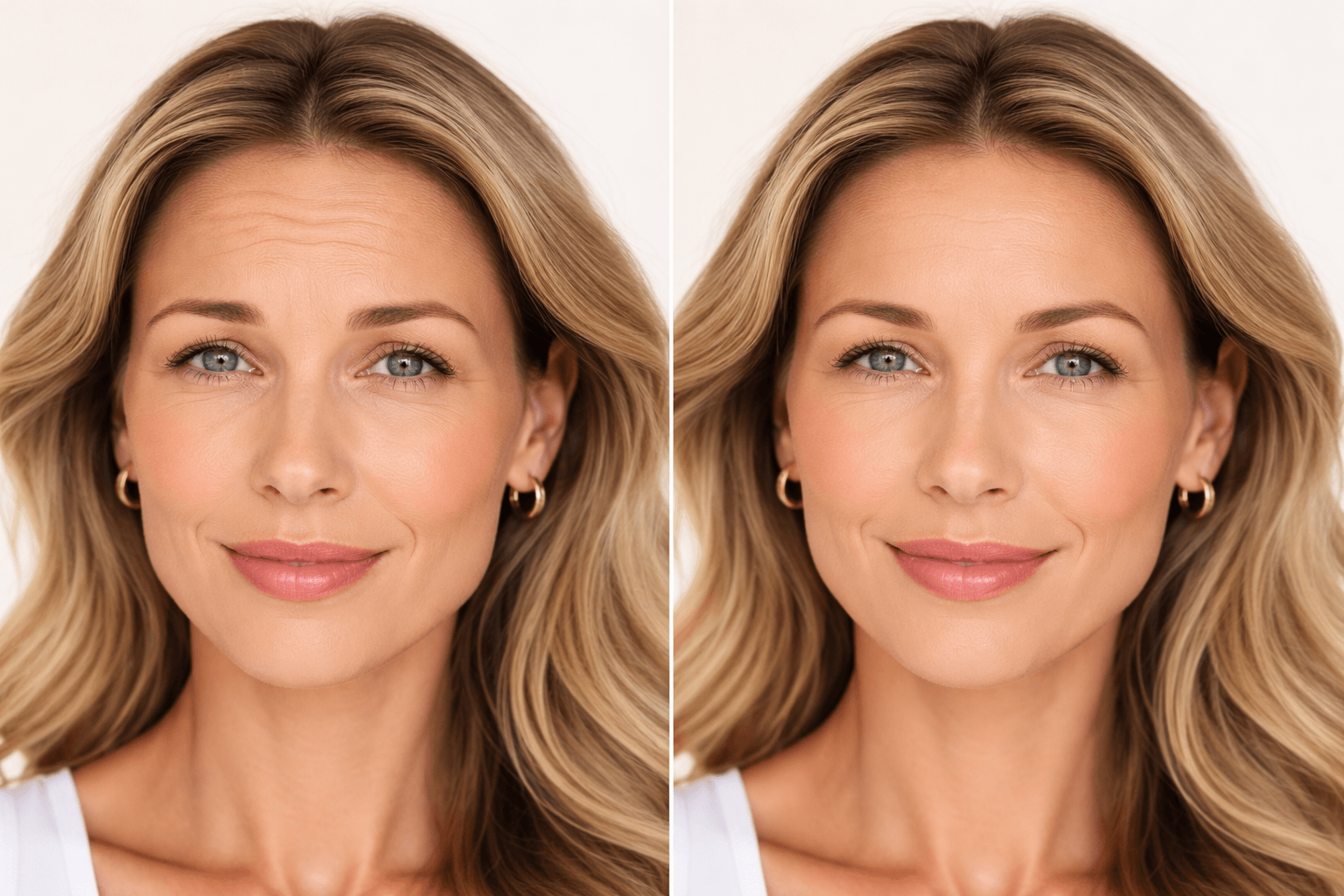
Many patients pair fillers with Botox for a more complete rejuvenation. While fillers restore lost volume, Botox addresses the dynamic wrinkles caused by muscle movement, and combining the two often produces results that neither treatment could achieve as effectively alone. Patients interested in longer term skin quality improvements sometimes also explore regenerative treatments as part of a broader plan.
Good candidates are generally healthy adults who have noticed volume loss, hollowing, or reduced facial definition and want a non surgical way to address it. Fillers are not appropriate for individuals who are pregnant or breastfeeding, or those with active infections in the treatment area. A consultation is the best way to determine which filler type and treatment plan fits your specific facial anatomy and goals.
How do I know if I need fillers or Botox? If your concern is related to volume loss, hollowing, or reduced facial structure, fillers are typically the better fit. If your concern is lines caused by expression and muscle movement, Botox tends to be more effective. Many patients benefit from both.
Do dermal fillers look natural? When the right filler is matched to the right concern and placed by an experienced provider, results should look like a refreshed, rested version of your natural face rather than an obviously altered one.
How long does swelling last after filler treatment? Most swelling resolves within a few days to a week, though final results are best judged around the two week mark.
Can fillers be dissolved if I am not happy with the result? Most hyaluronic acid based fillers can be dissolved using a specific enzyme if needed, which is one of the reasons they remain a popular and relatively low risk option.
How often will I need filler touch ups? This depends on the treatment area and the specific product used, but most patients return every six to eighteen months to maintain their results.
Volume loss looks different on every face, which is exactly why a personalized consultation matters more than following a trend you saw online. The team at Smooth Aesthetics can help you identify which areas would benefit most from treatment and build a plan around your specific goals. Learn more about our fillers in Charlotte or explore how Botox and regenerative medicine can work alongside fillers for a more complete result. You can also read our breakdown of dermal filler costs and pricing factors to help plan your visit.
This guide was updated in August 2026 to reflect current filler techniques and best practices in Charlotte, NC.















.png)
.png)



































.png)



.png)


.png)

.png)
.png)
.png)





.png)


