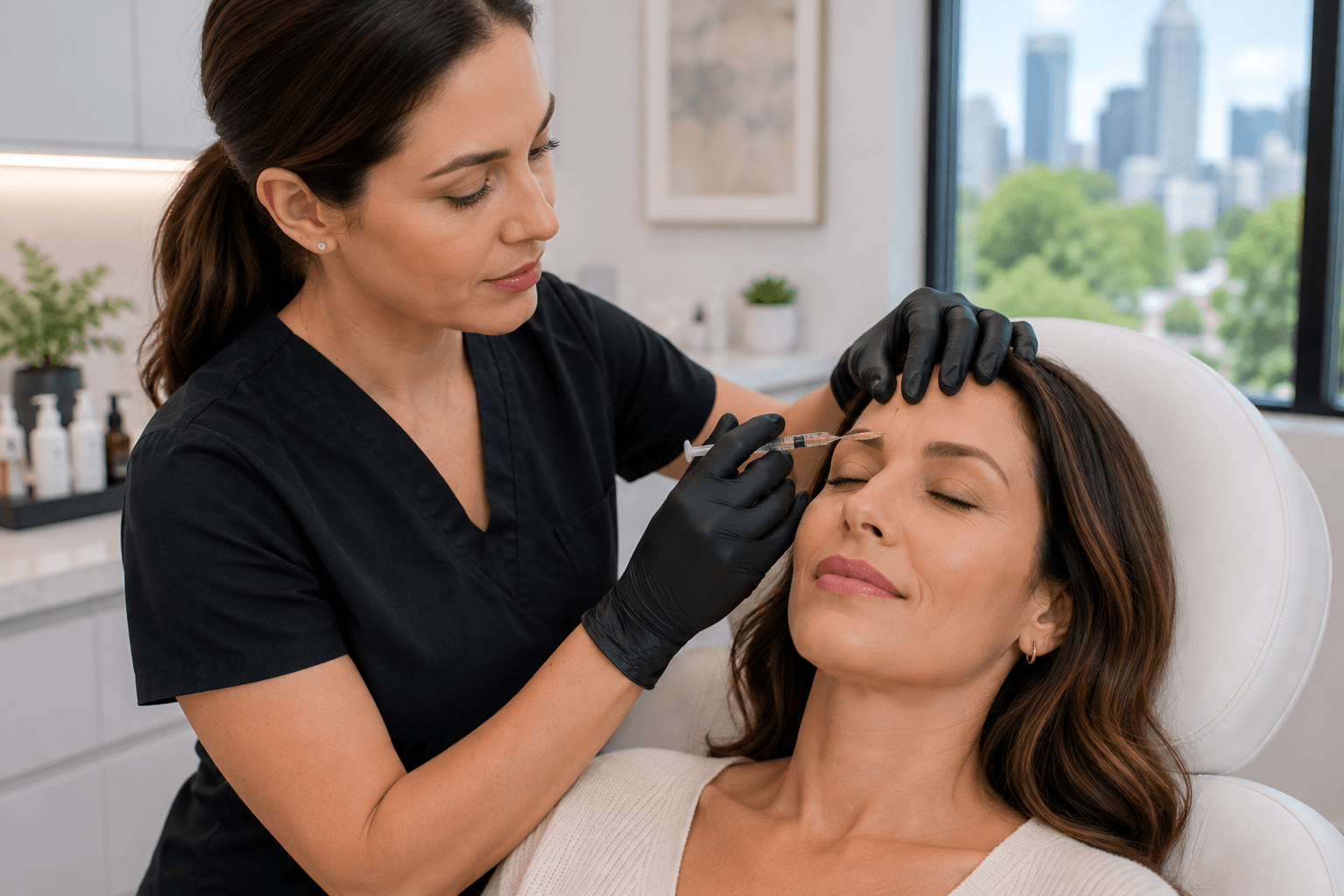
If you have ever caught yourself frowning at your reflection and wondering why the crease between your eyebrows will not go away even when your face is relaxed, you are noticing something dermatologists see constantly. Expression lines do not form randomly. They form because of specific, repeated muscle movement, and understanding that mechanism is the key to understanding why Botox has remained one of the most requested treatments in aesthetic medicine for over two decades.
This article breaks down how Botox actually works at the muscle level, which concerns it is best suited for, and how to know if it is the right next step for you.
Every time you raise your eyebrows, squint, or furrow your brow, the muscles beneath your skin contract and fold the skin above them. In your twenties, that fold releases completely once your face relaxes. Over time, as collagen production slows and skin loses elasticity, that same fold starts leaving a visible line behind, even at rest.
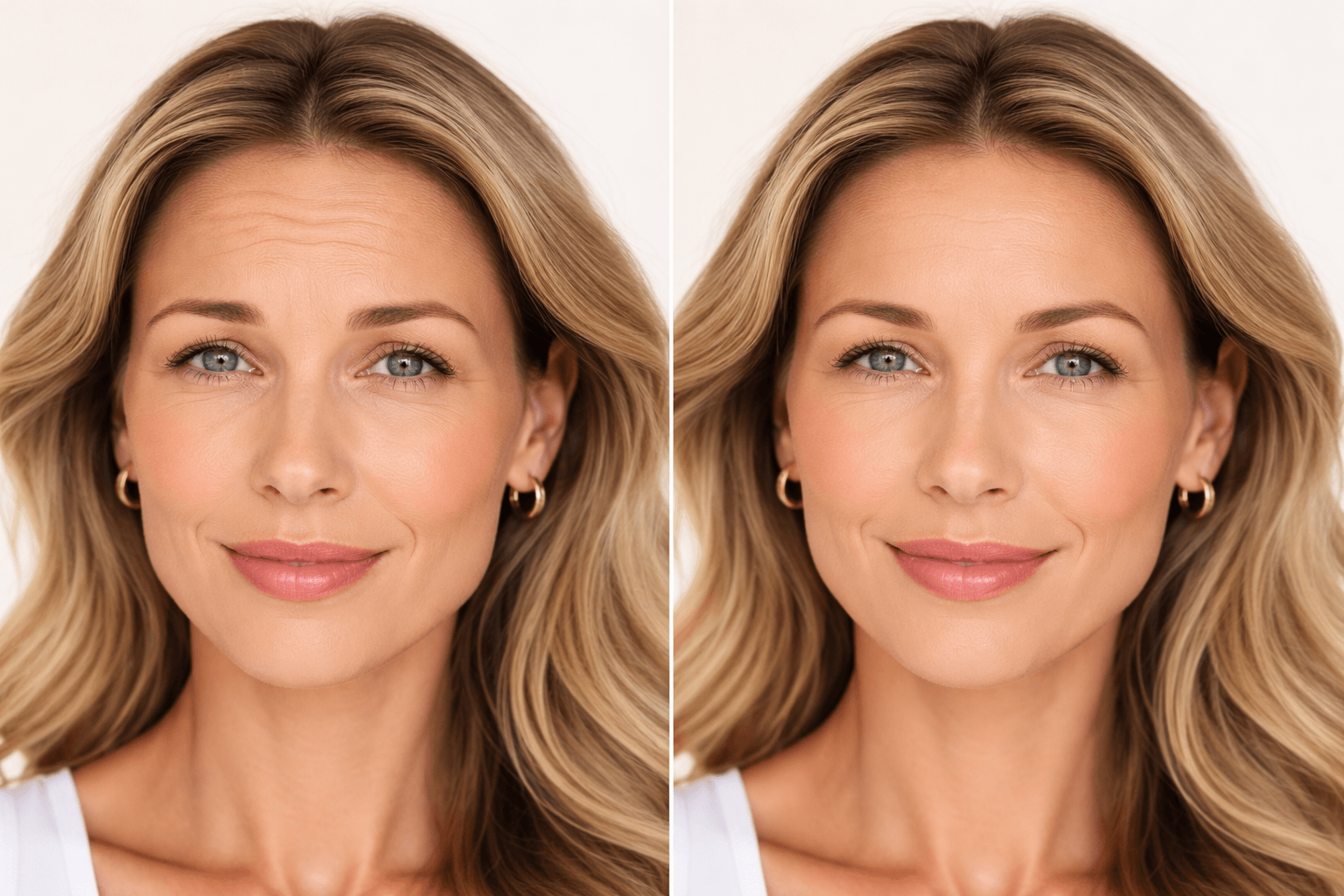
The areas most commonly affected are the forehead, the vertical lines between the eyebrows often called the elevens, and the crow's feet around the outer corners of the eyes. These are all considered dynamic wrinkles, meaning they are driven primarily by muscle activity rather than volume loss, which makes them especially responsive to treatments that target muscle movement directly.
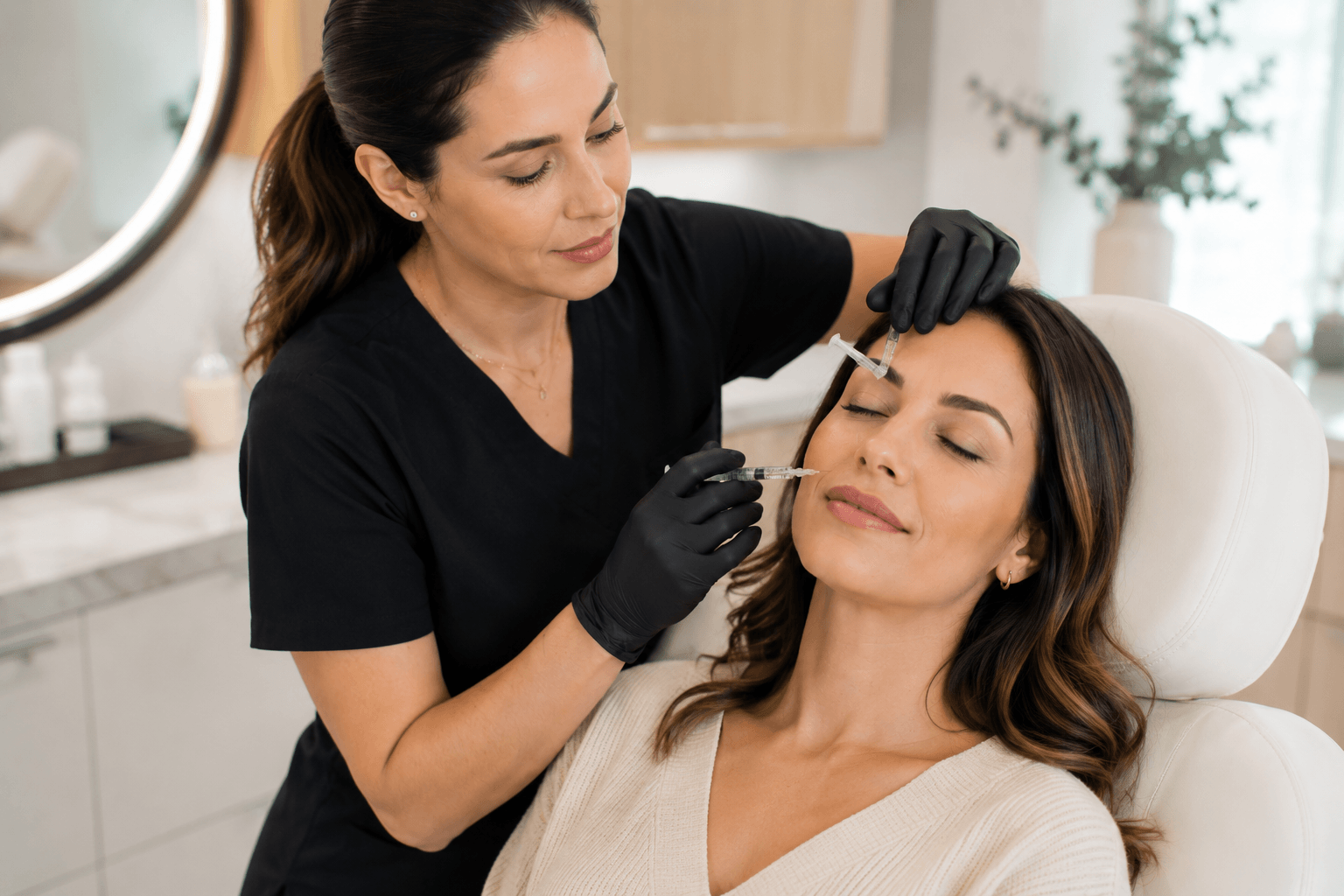
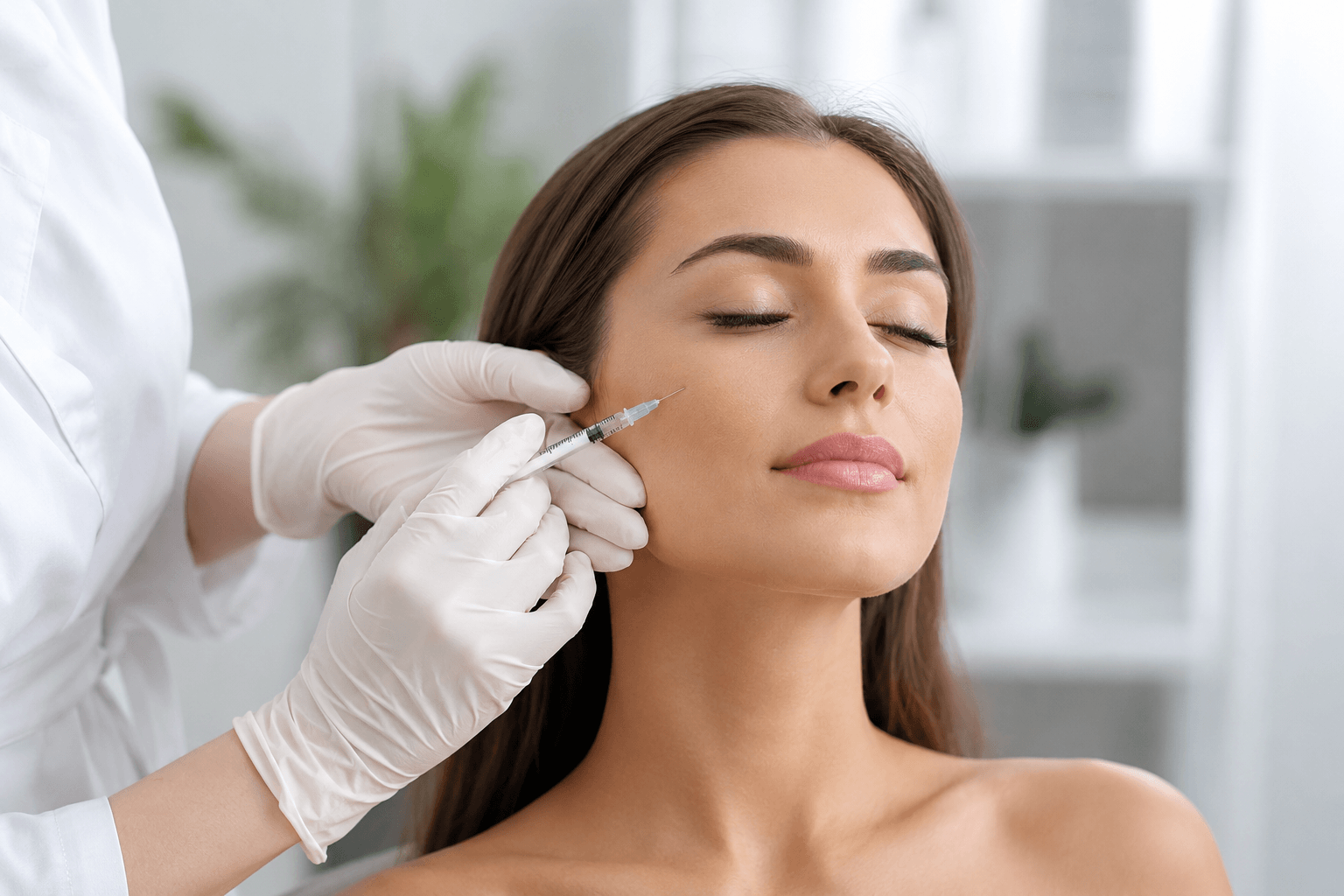
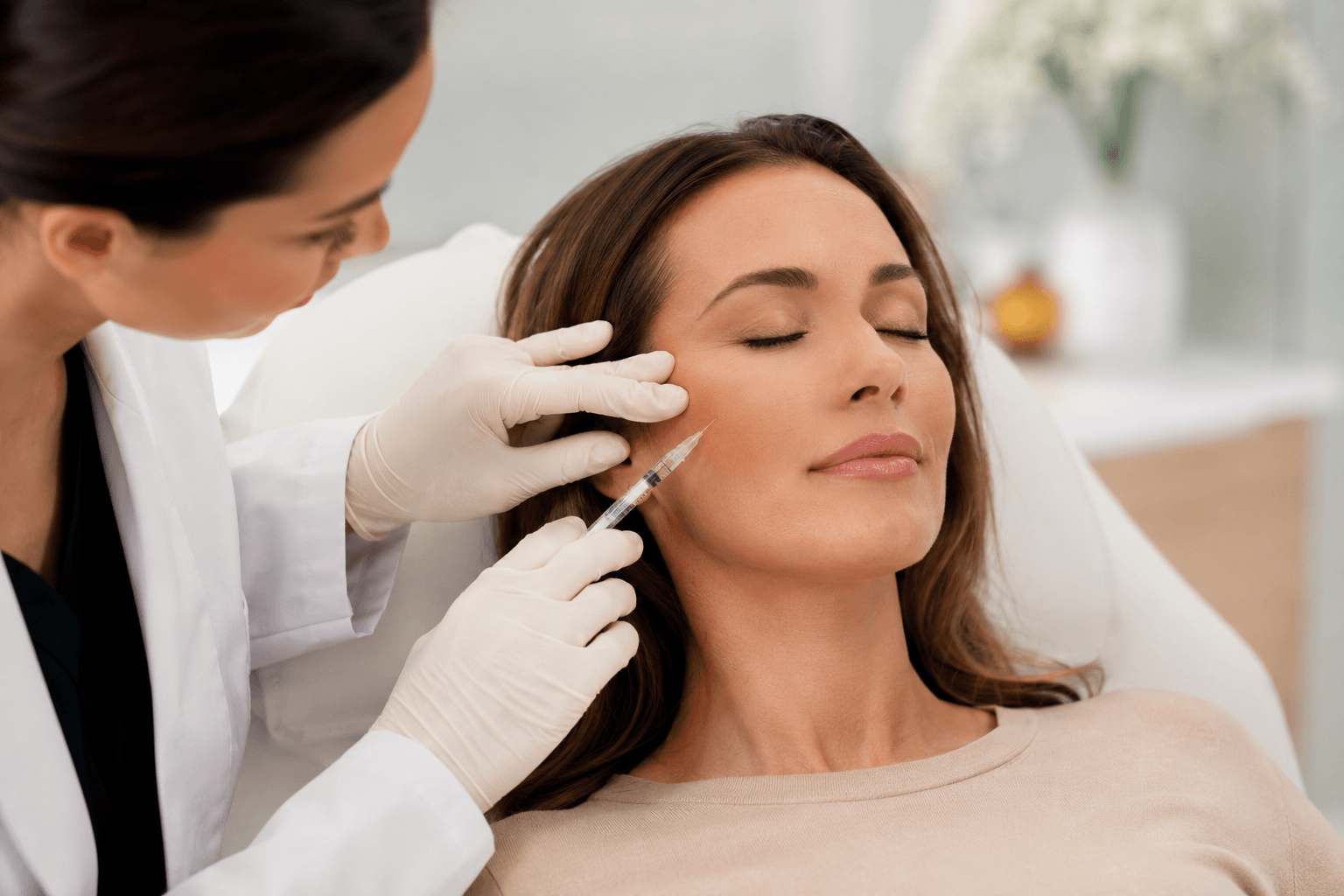
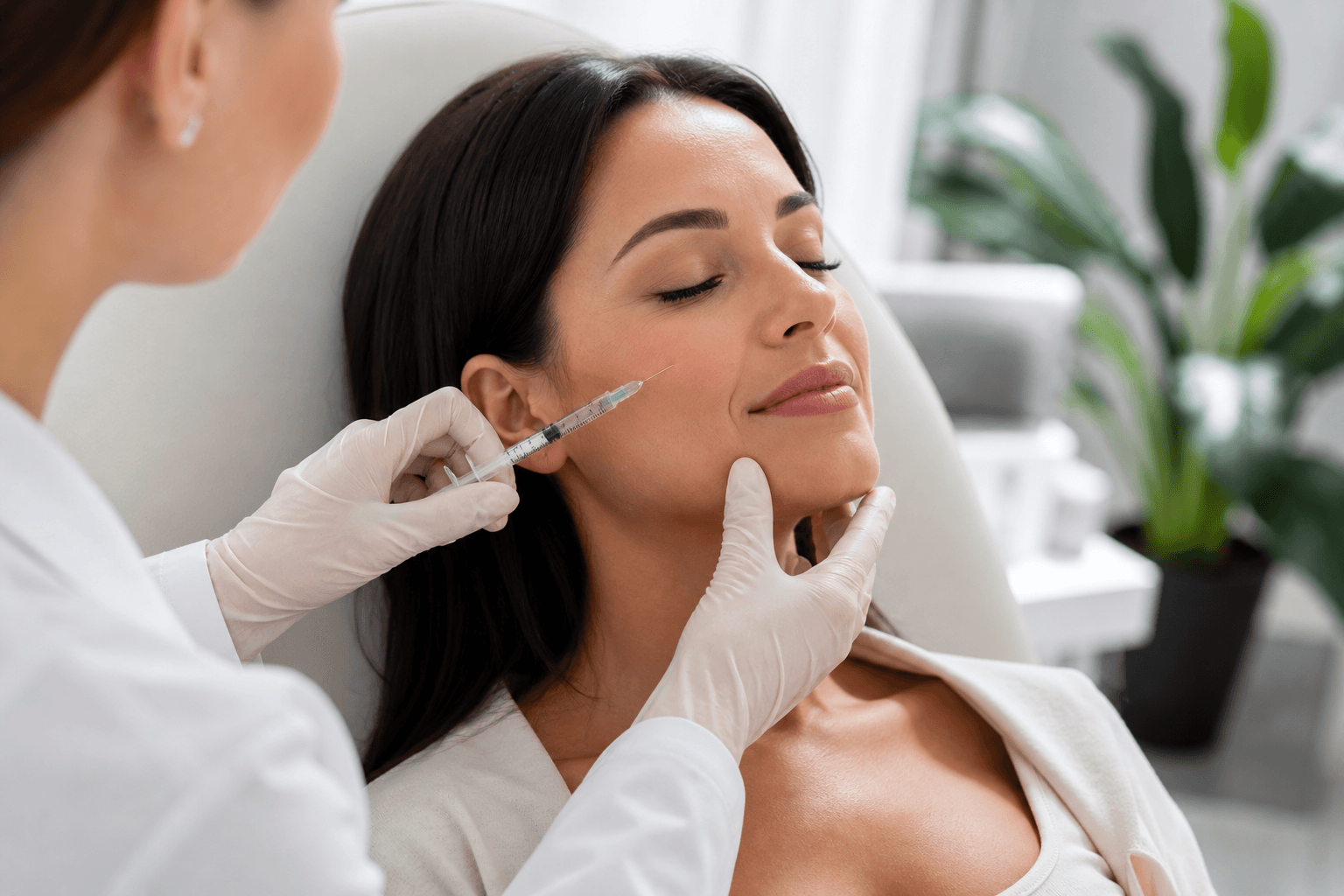
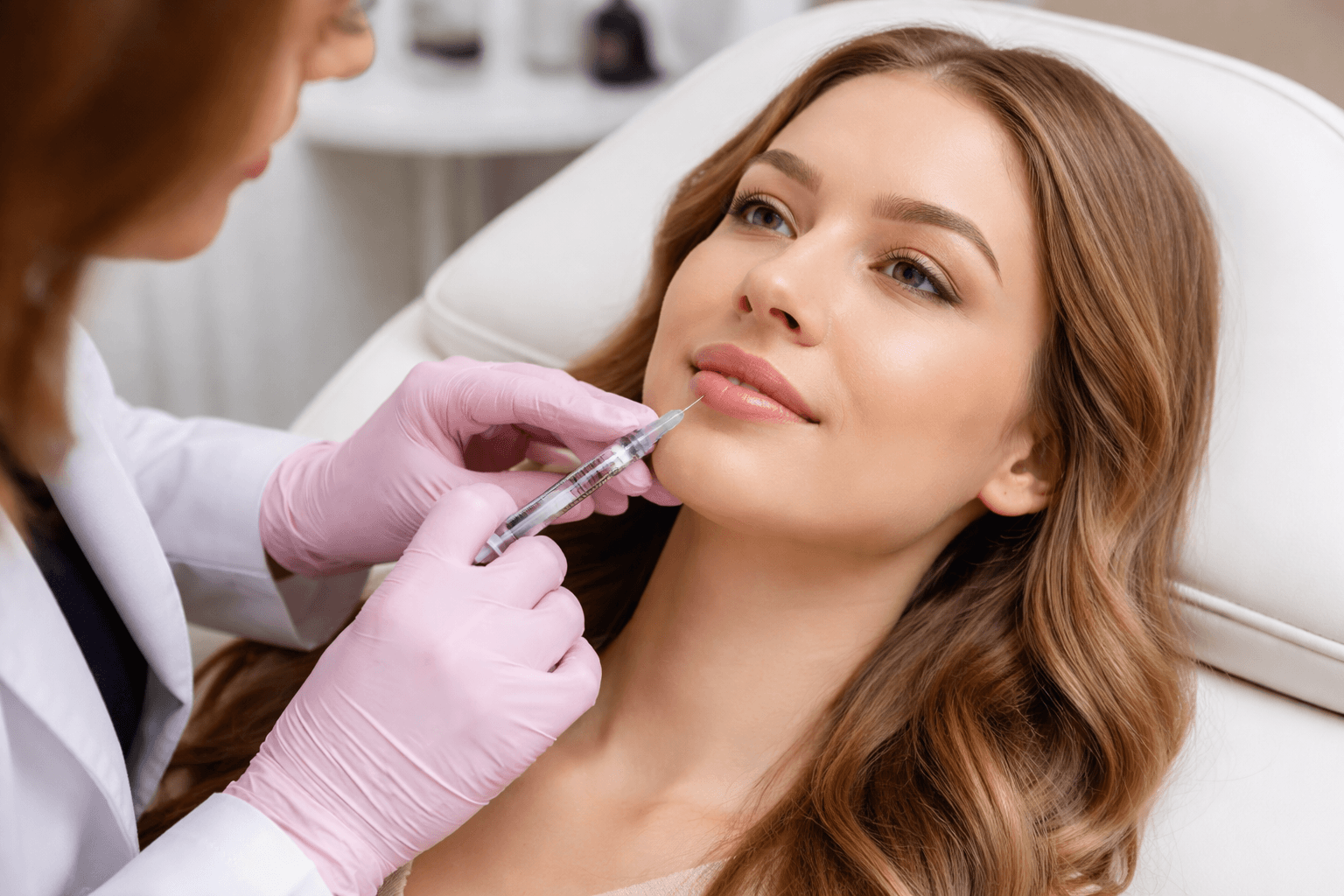
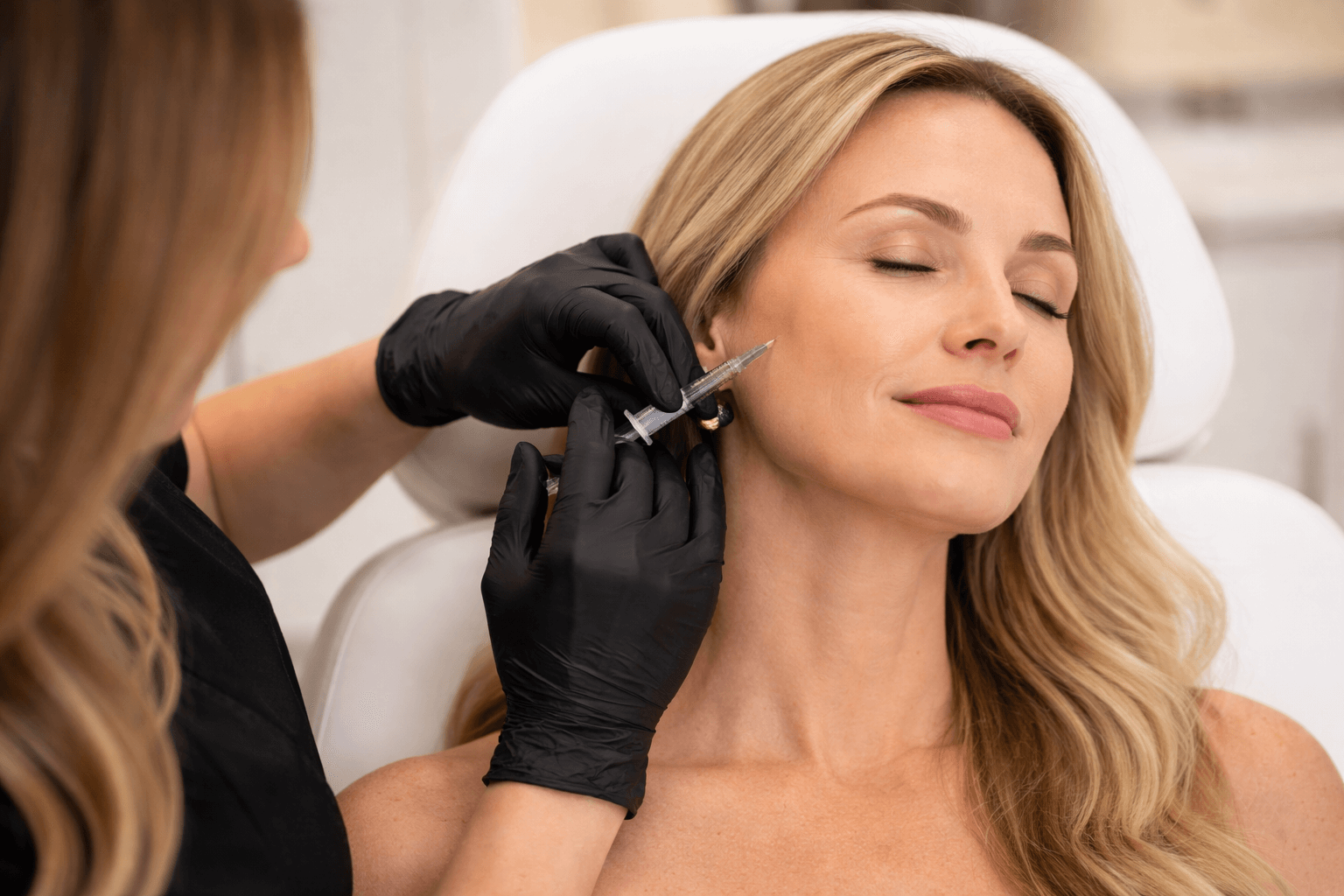
Botox is a purified neuromodulator that blocks the release of a chemical messenger called acetylcholine at the nerve endings connected to a targeted muscle. Without that signal, the muscle temporarily cannot contract at full strength. Less contraction means the skin above it stops folding into the same deep crease with every expression.
This is different from a filler, which physically adds volume beneath the skin. Botox does not add anything to the treated area. It simply reduces the muscle activity responsible for the wrinkle, which is why it is so effective on lines caused by expression and far less effective on wrinkles caused by sagging skin or lost volume.
The effect is temporary and fully reversible. As the body naturally metabolizes the treatment over three to four months, nerve signaling gradually returns and muscle movement resumes.
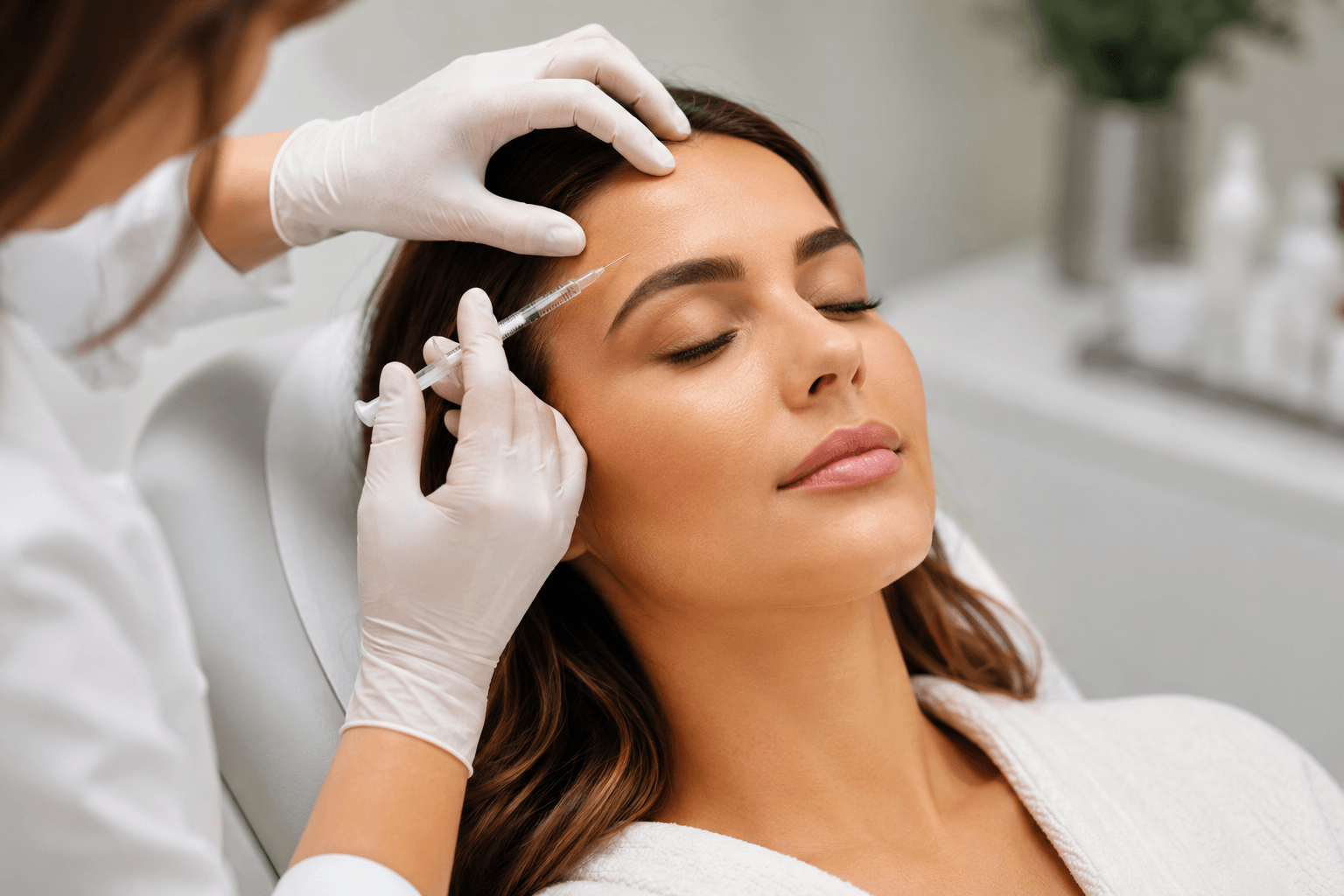
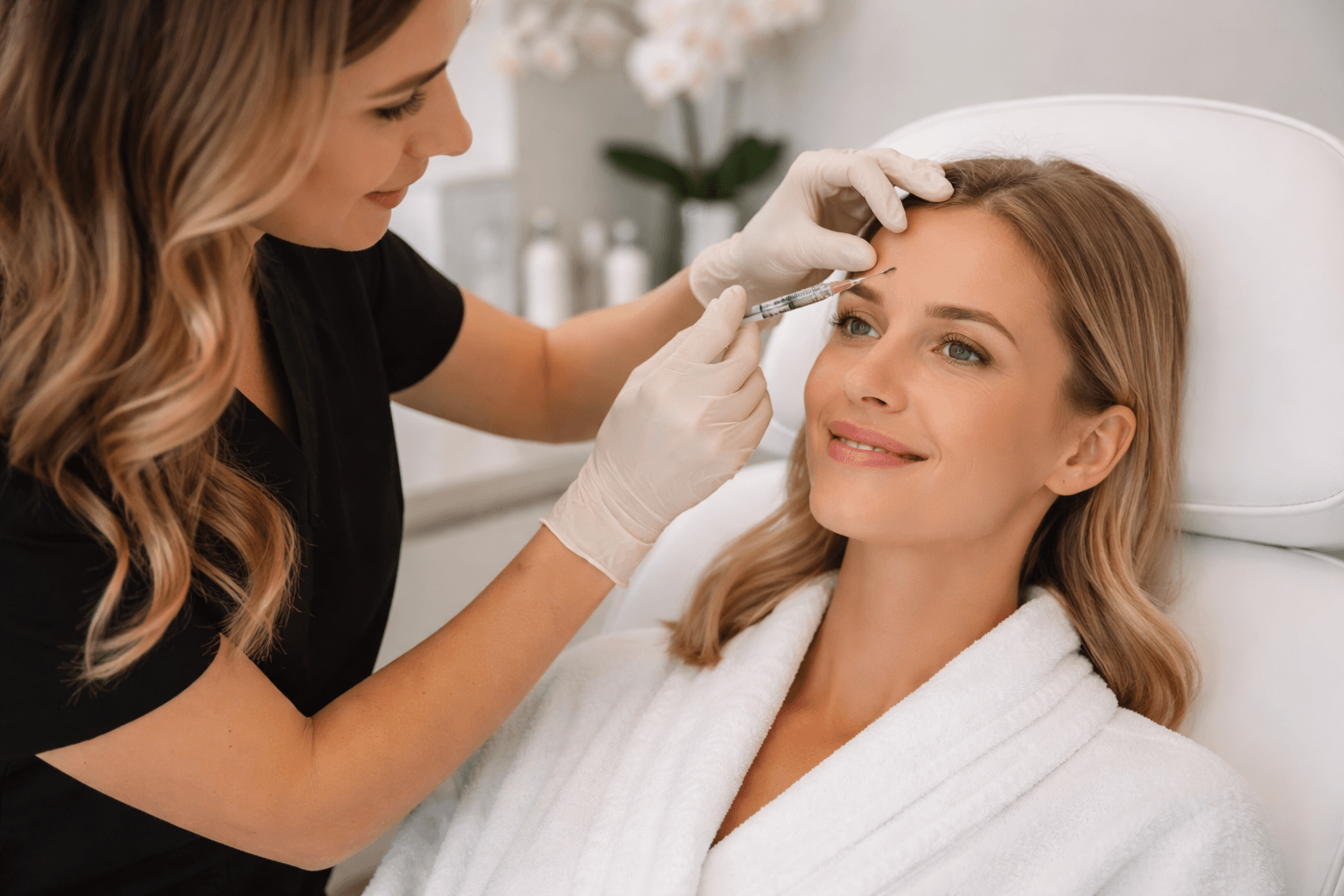
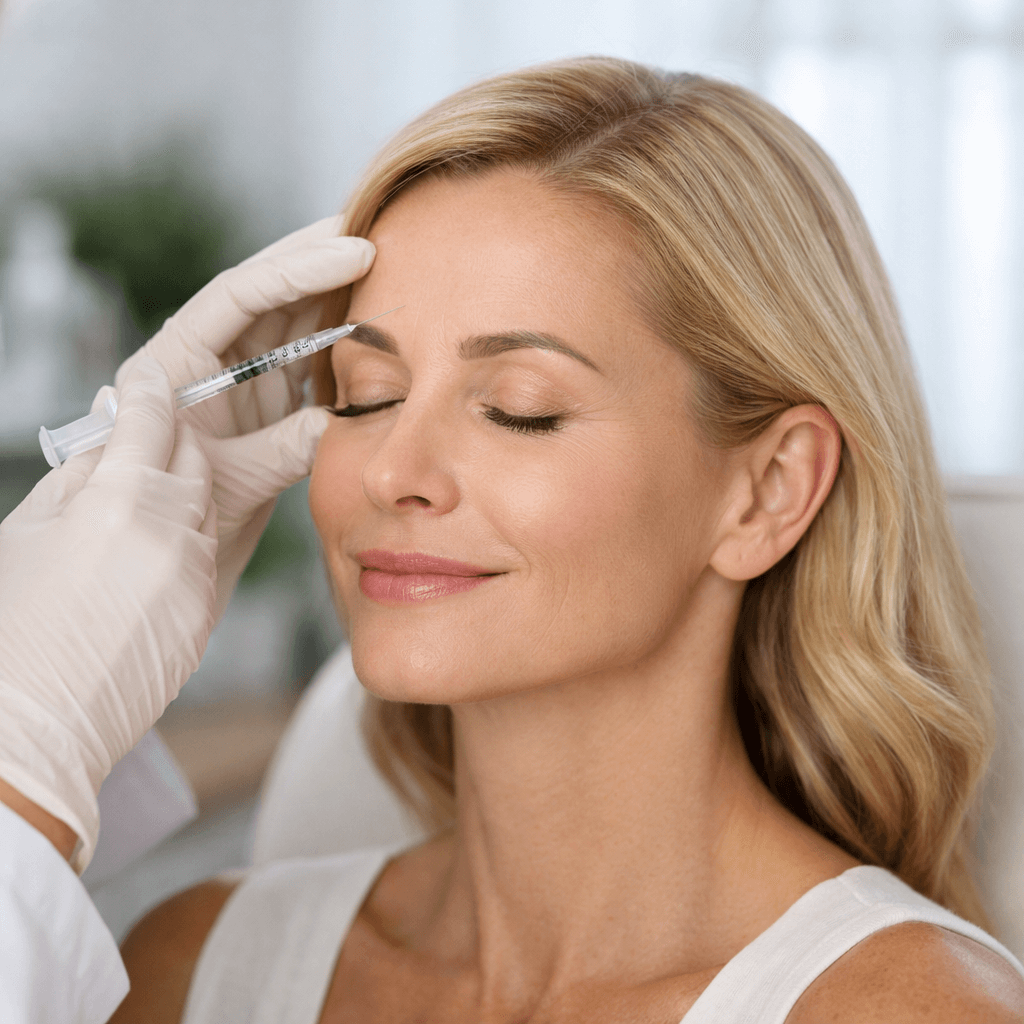
Horizontal lines across the forehead form from raising the eyebrows, a habit most people do dozens of times a day without noticing. Botox relaxes the frontalis muscle to soften these lines while still allowing natural, expressive movement when dosed appropriately.
Often called glabellar lines, these vertical creases between the eyebrows form from frowning and concentrating. Because this muscle group tends to be stronger, it often requires a slightly different dosing approach than the forehead.
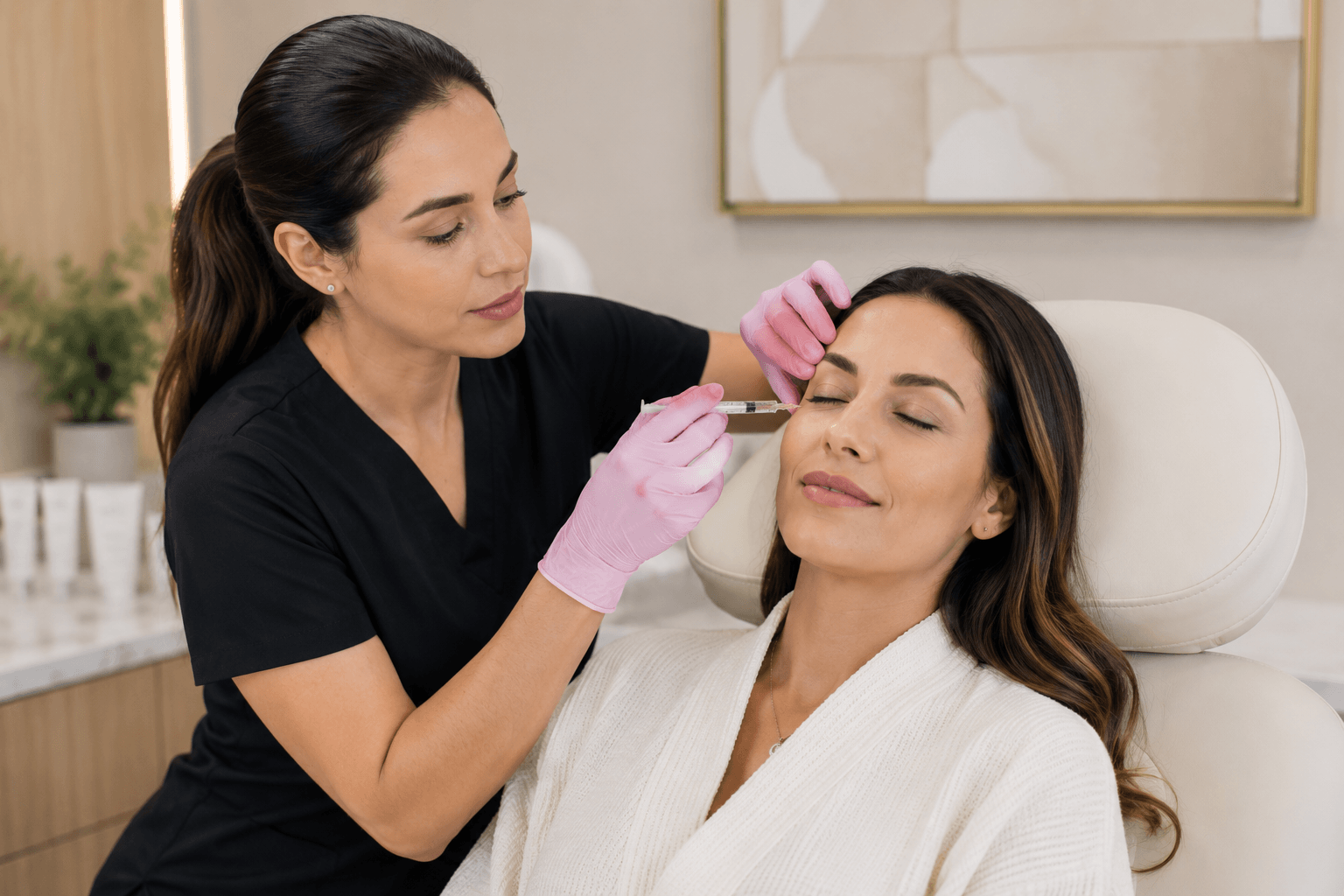
The fine lines that fan out from the corners of the eyes when smiling or squinting respond well to smaller, more precisely placed injections, since the muscle in this area is thinner than the forehead.
Not every line on the face responds the same way to Botox, and understanding this distinction is part of getting a result you are actually happy with.
Dynamic wrinkles, the ones that appear specifically when you move your face, tend to respond very well. Static wrinkles, which remain visible even when your face is completely relaxed, are often related to volume loss or long term sun damage and may respond better to dermal fillers or a combination approach.
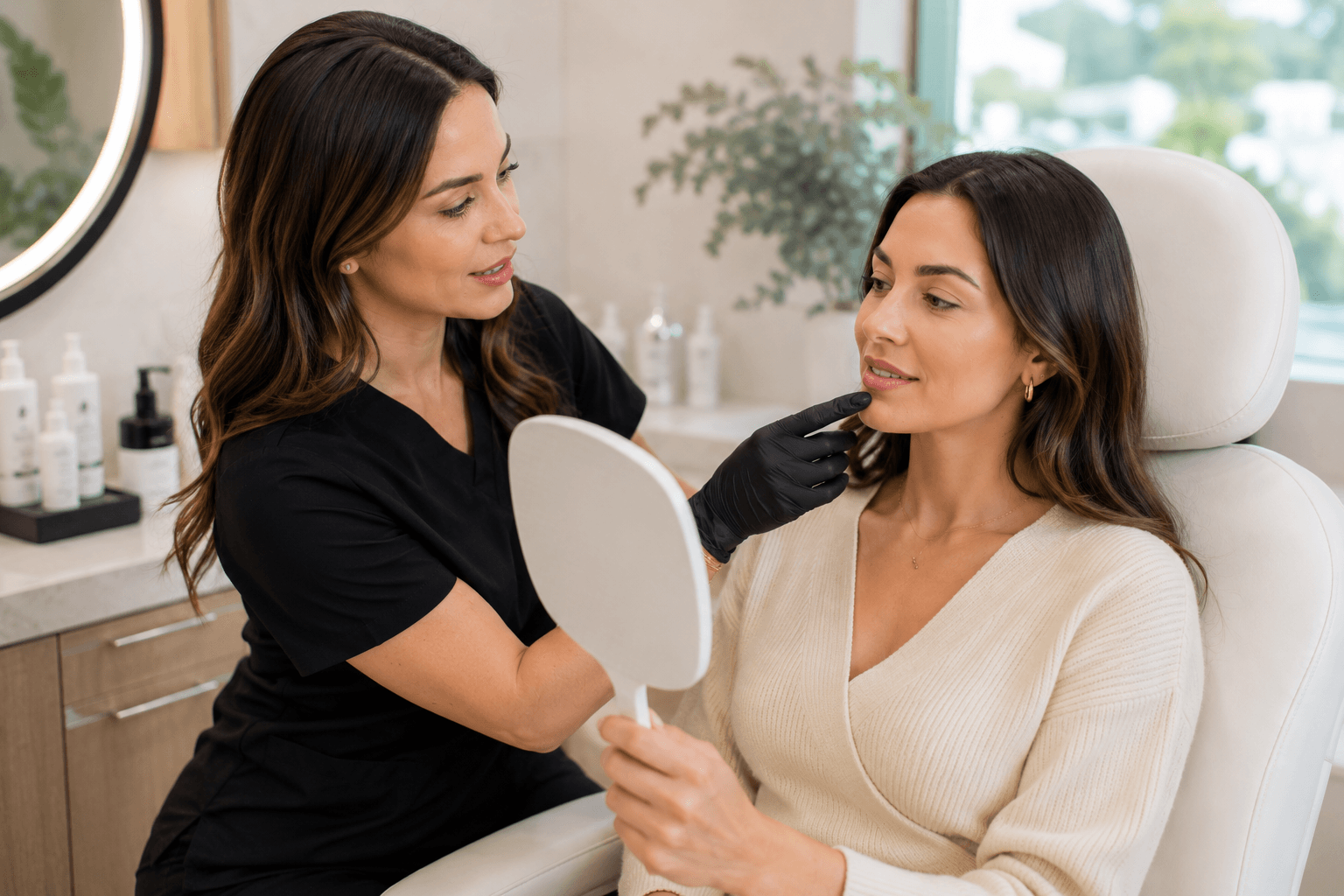
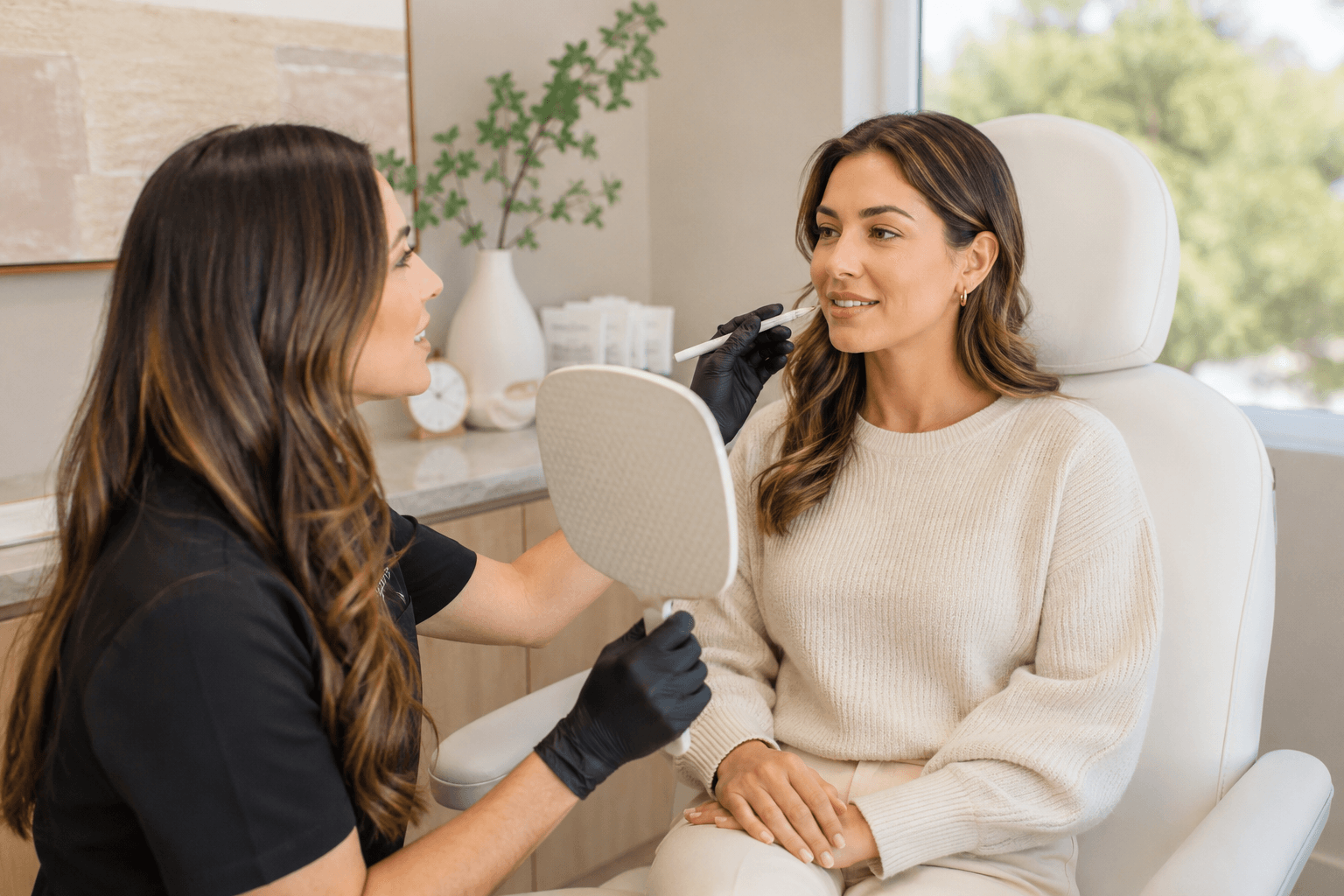
A thorough consultation should always include an honest conversation about which category your specific concerns fall into, since this determines whether Botox alone will meet your goals or whether a layered treatment plan makes more sense.
Most patients return directly to work or errands after their appointment. Mild redness or small bumps at the injection sites typically resolve within an hour.
Because Botox works by gradually blocking nerve signals, it takes several days to begin working and up to two weeks to reach full effect. Patients who expect same day results are often surprised by this timeline, so setting expectations in advance makes for a much better experience.
Facial anatomy varies significantly from person to person. Muscle strength, the depth of existing lines, and your desired level of movement should all factor into how much product is used and where it is placed.
Good candidates are generally adults who have started to notice expression lines that bother them, whether those lines are just beginning to form or have been present for years. There is no specific age requirement, though many people begin treatment in their late twenties or early thirties as a preventive measure, since treating lines before they become deeply set can help slow how quickly they progress.
Botox is not recommended for those who are pregnant or breastfeeding, individuals with certain neuromuscular disorders, or anyone with an active skin infection at the planned injection site. A consultation is the appropriate way to confirm candidacy and discuss any relevant medical history.
Most patients schedule follow up appointments every three to four months. Muscles that are treated repeatedly over time sometimes require less frequent maintenance, since the muscle can weaken slightly with consistent, appropriately dosed treatment. Skipping appointments simply means gradual return of movement and, eventually, the lines you started with.
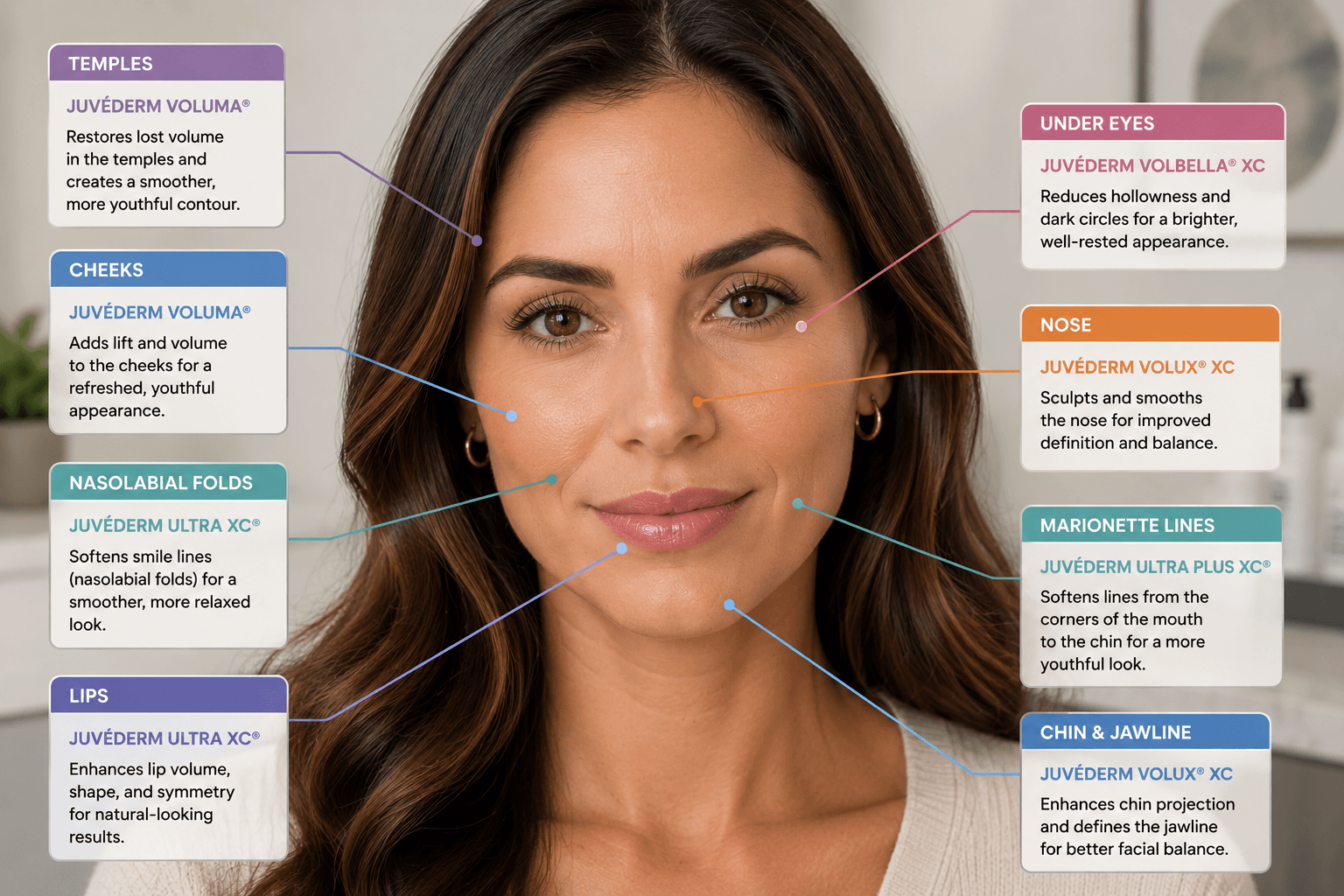
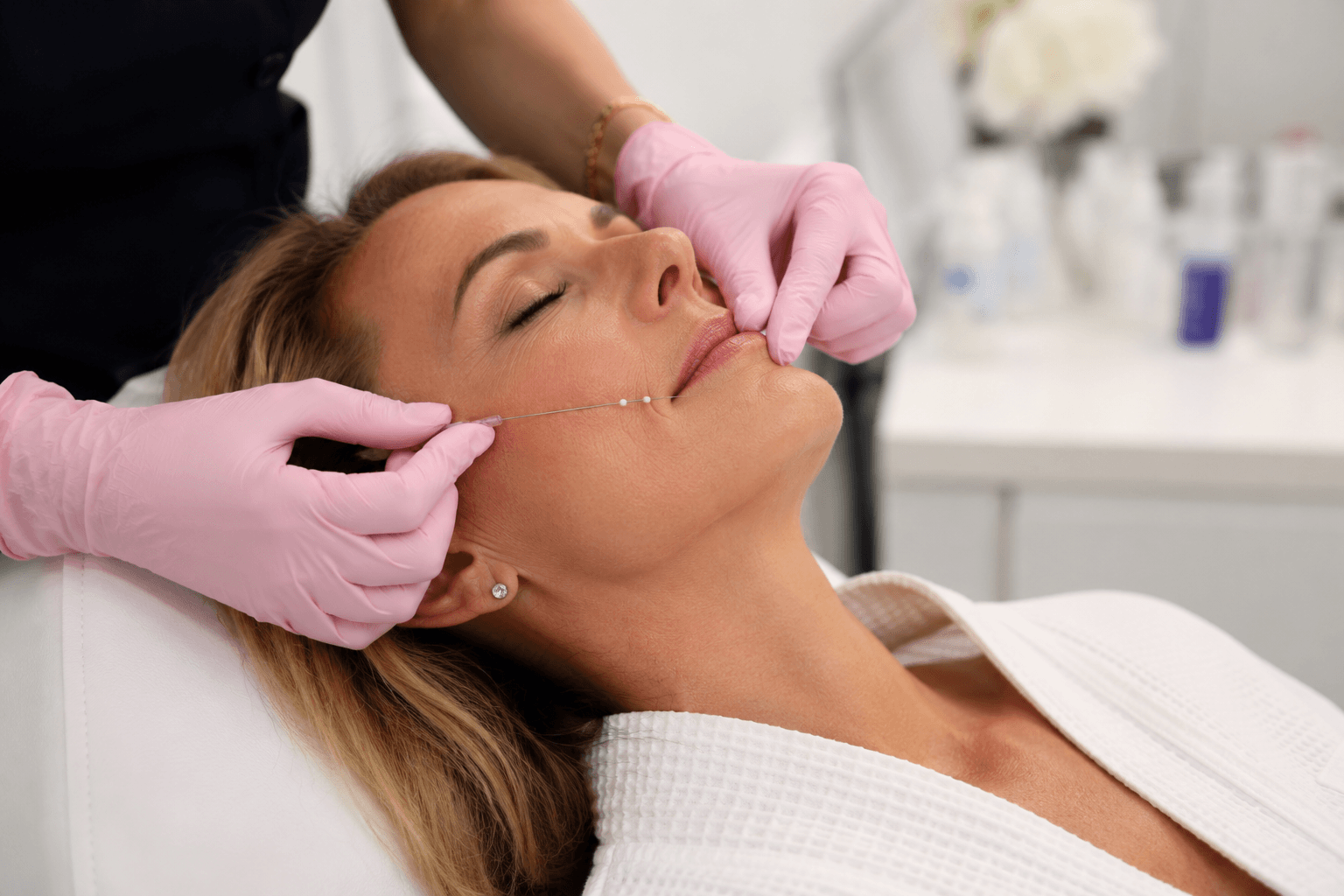
Many patients build a broader treatment plan that includes Botox alongside fillers for volume restoration, or threads for mild lifting in areas where skin has started to lose firmness. Combining treatments strategically, rather than relying on one modality for every concern, tends to produce more balanced, natural looking results over time.
How does Botox work compared to fillers? Botox relaxes the muscle responsible for a wrinkle, while fillers add volume beneath the skin. They address different causes of aging and are often used together for a more complete result.
How long does it take for Botox to start working? Most people notice initial changes around day four, with full results visible by two weeks after treatment.
Is Botox safe for first time patients? Yes, when administered by a qualified provider who evaluates your facial anatomy and medical history beforehand. Side effects are typically mild and temporary.
Can Botox prevent new wrinkles from forming? Because Botox reduces the repeated muscle movement that creates creases, many providers recommend it as a preventive step for patients who are just beginning to notice early lines.
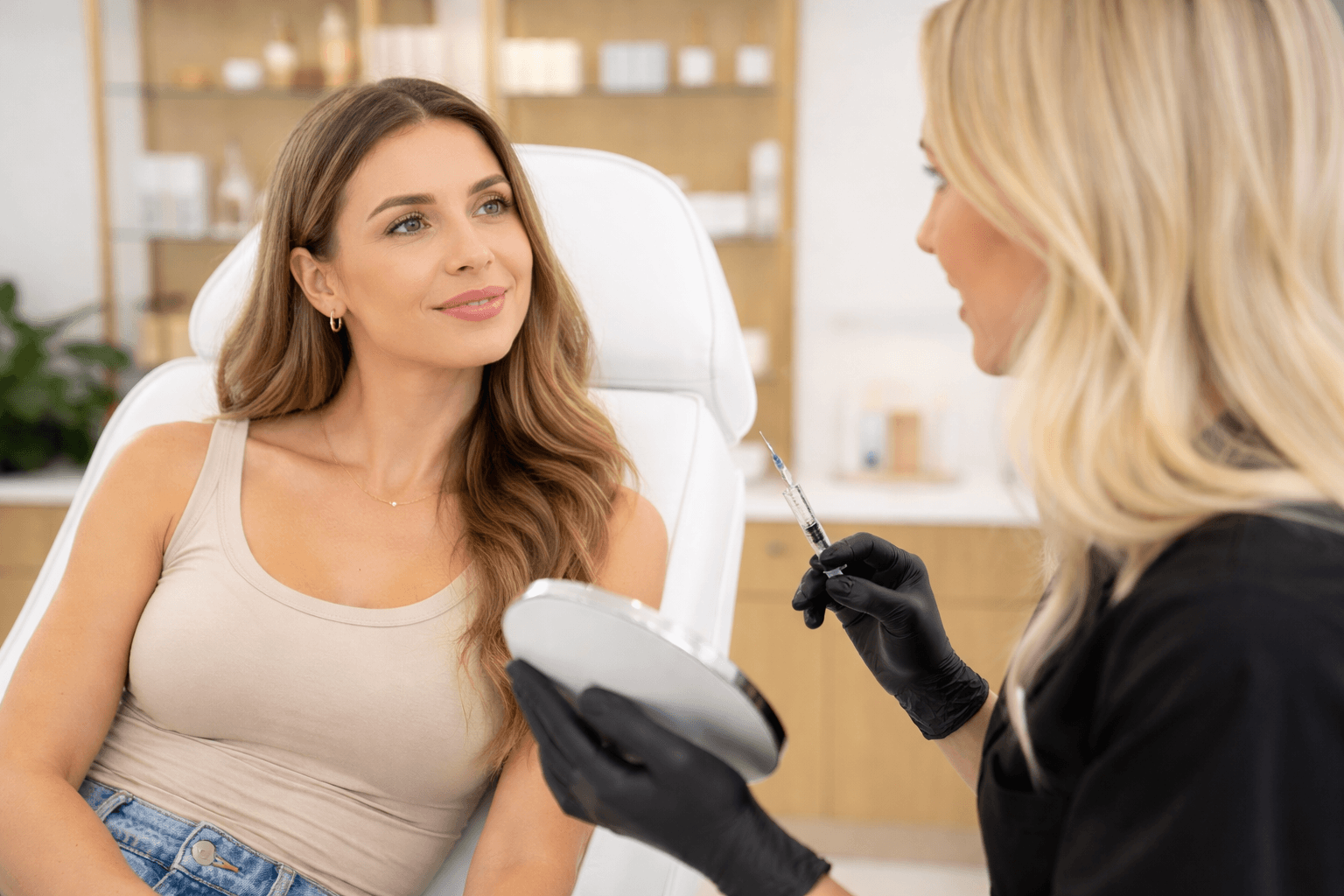
How many units of Botox are typically needed? This depends entirely on the treatment area and the strength of the underlying muscle, which is why a personalized consultation is essential before any treatment plan is finalized.
Understanding how Botox actually works, rather than relying on assumptions from social media, makes it much easier to set realistic expectations and choose the right provider. If you are ready to talk through your specific concerns, the team at Smooth Aesthetics offers personalized consultations for Botox in Charlotte. You can also explore our fillers and regenerative medicine services to see how a combined approach might fit your goals, or read our guide on what to expect from your Botox results timeline.
This article was updated in August 2026 to reflect current treatment standards in Charlotte, NC.











.png)
.png)






















.png)



.png)

.png)

.png)
.png)
.png)





.png)


