
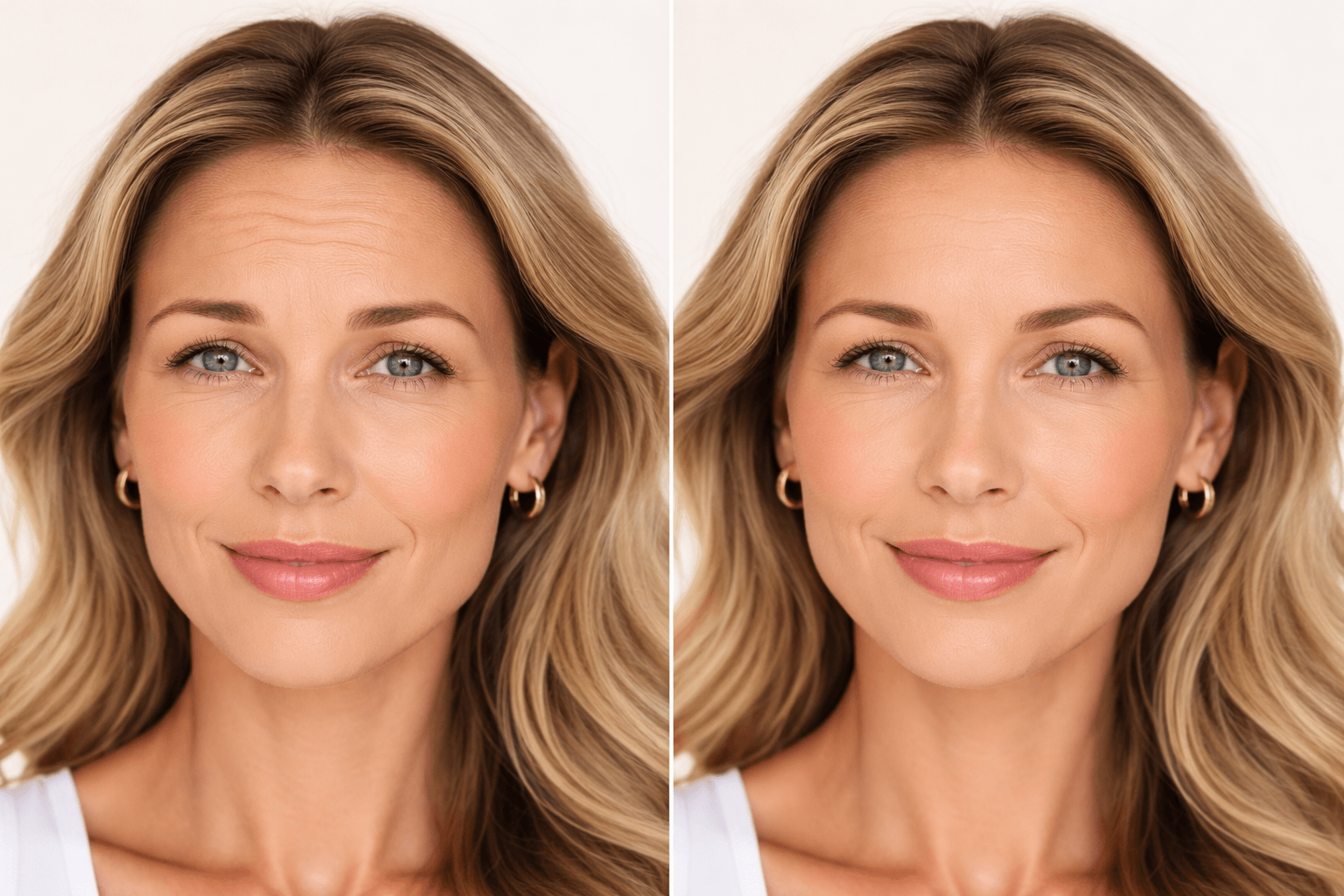
Search "Botox before and after" long enough and you will find two very different kinds of photos. Some show smooth, natural looking skin with expression still intact. Others show a frozen, waxy look that makes people nervous about trying it at all. If you have been putting off booking an appointment because you are not sure which version you will end up with, you are asking exactly the right question before you ask anything else.
The truth is that Botox results depend heavily on dosage, technique, and the experience of the person holding the syringe. Understanding what actually happens to your skin and muscles between the appointment and the final result can help you walk in informed instead of anxious, and it can help you spot a provider who knows what they are doing.
This guide walks through the real Botox before and after journey, the science behind why it works the way it does, and what Charlotte residents should know before their first appointment.
Before talking about results, it helps to understand the problem Botox is actually solving. Lines on the forehead, between the eyebrows, and around the eyes are called dynamic wrinkles. They form from repeated muscle contractions, the thousands of times you raise your eyebrows, squint in the sun, or frown while concentrating.
Over years, that repeated folding creates a crease in the skin that eventually stays visible even when your face is at rest. Genetics, sun exposure, smoking, and skin thickness all influence how early these lines show up and how deep they get. The American Academy of Dermatology notes that repetitive facial expressions are one of the primary contributors to expression lines, alongside natural collagen loss that begins in your mid to late twenties.
This is why dynamic wrinkles typically respond so well to a treatment that targets the muscle movement itself rather than just the surface of the skin.
Botox is a purified protein that temporarily relaxes the targeted muscle by blocking the nerve signals that tell it to contract. Less movement in that specific muscle means the skin above it stays smoother.
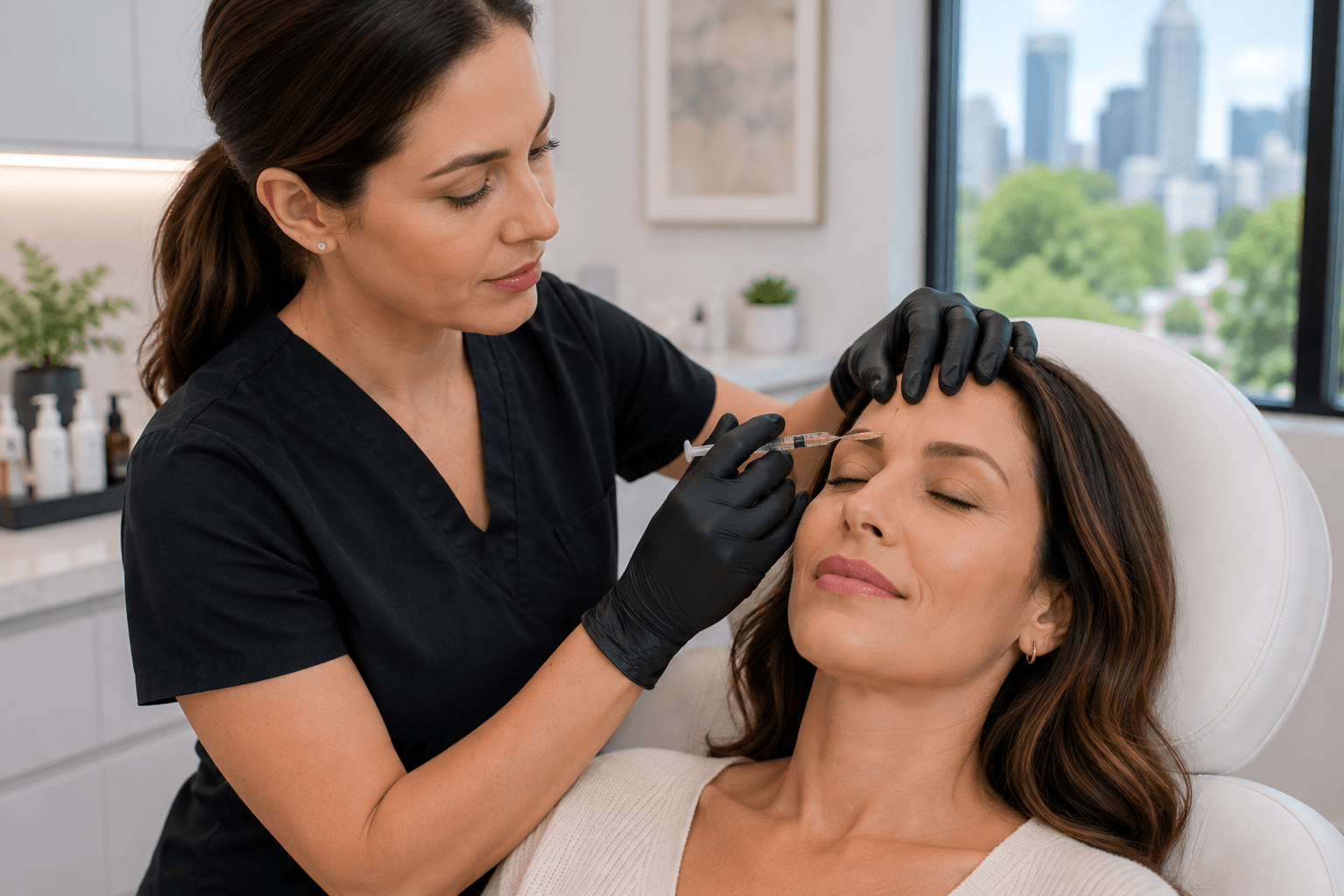
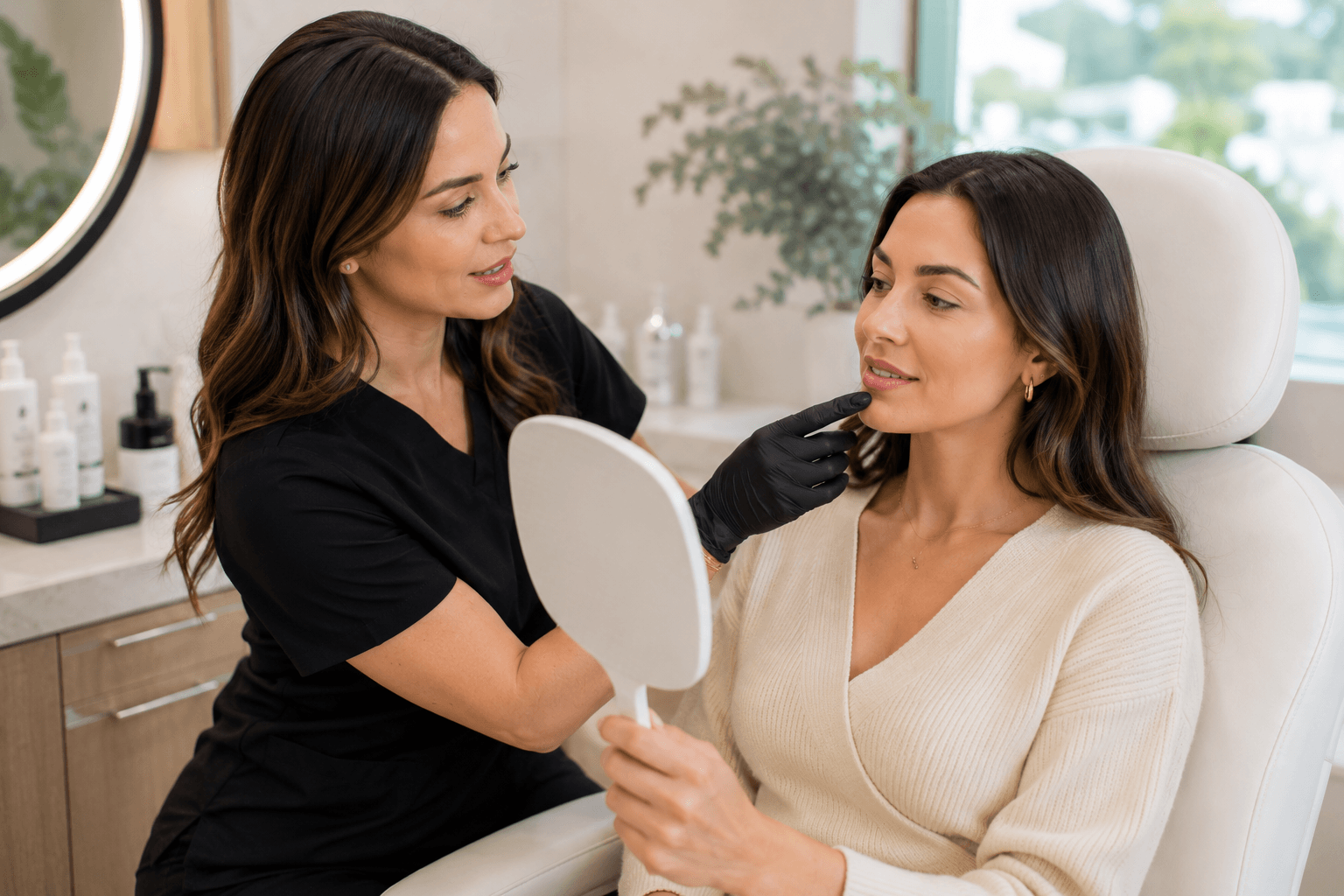
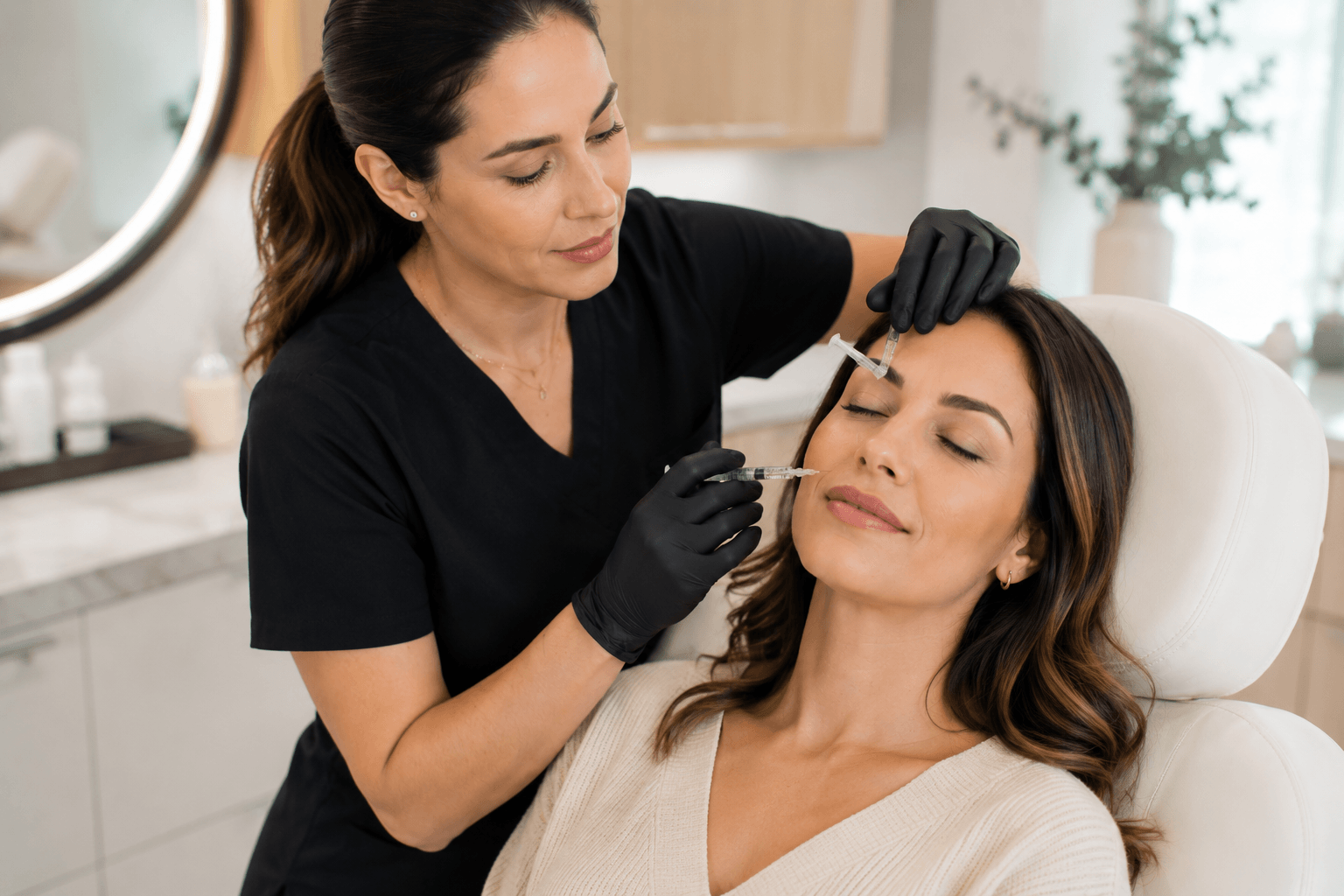
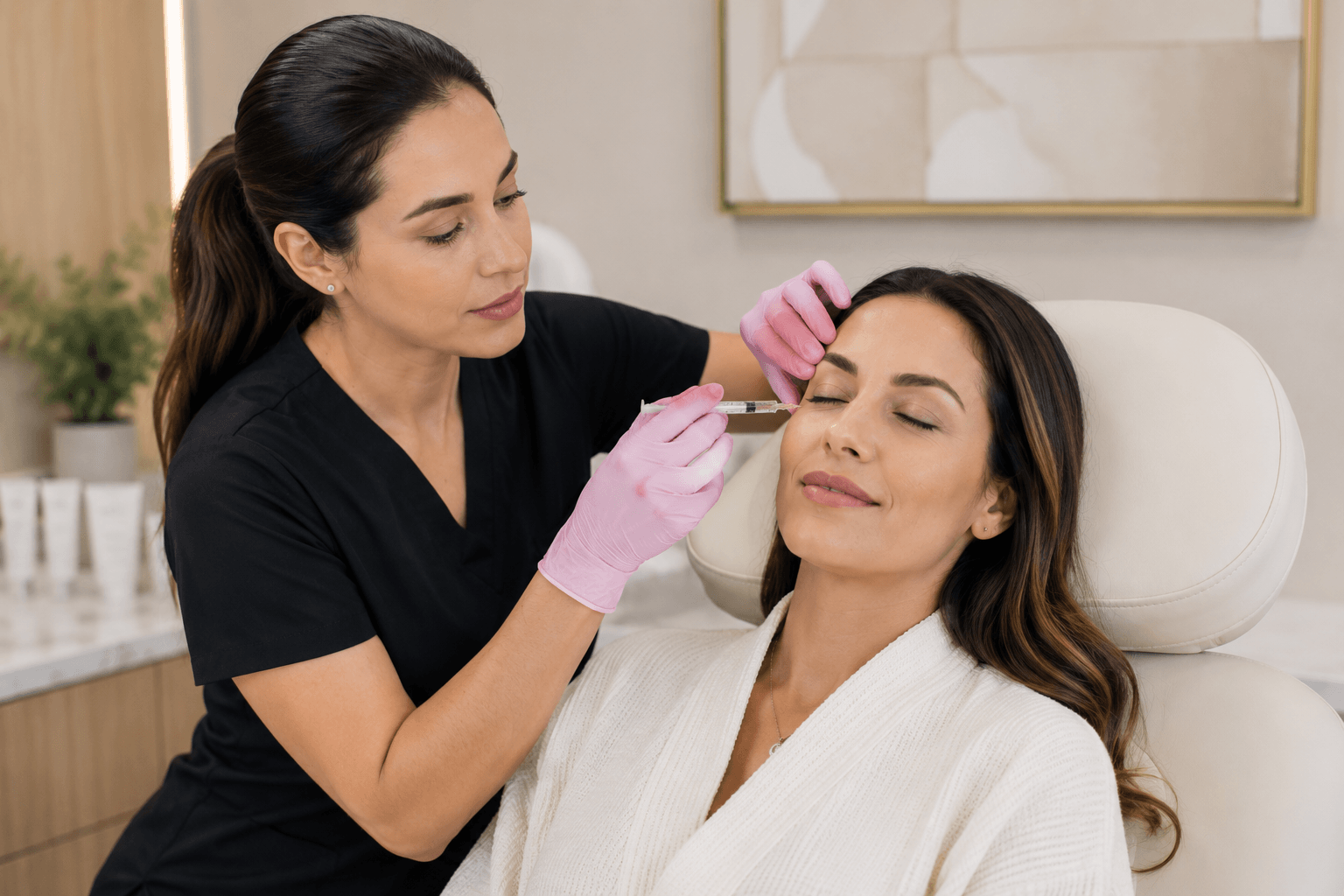
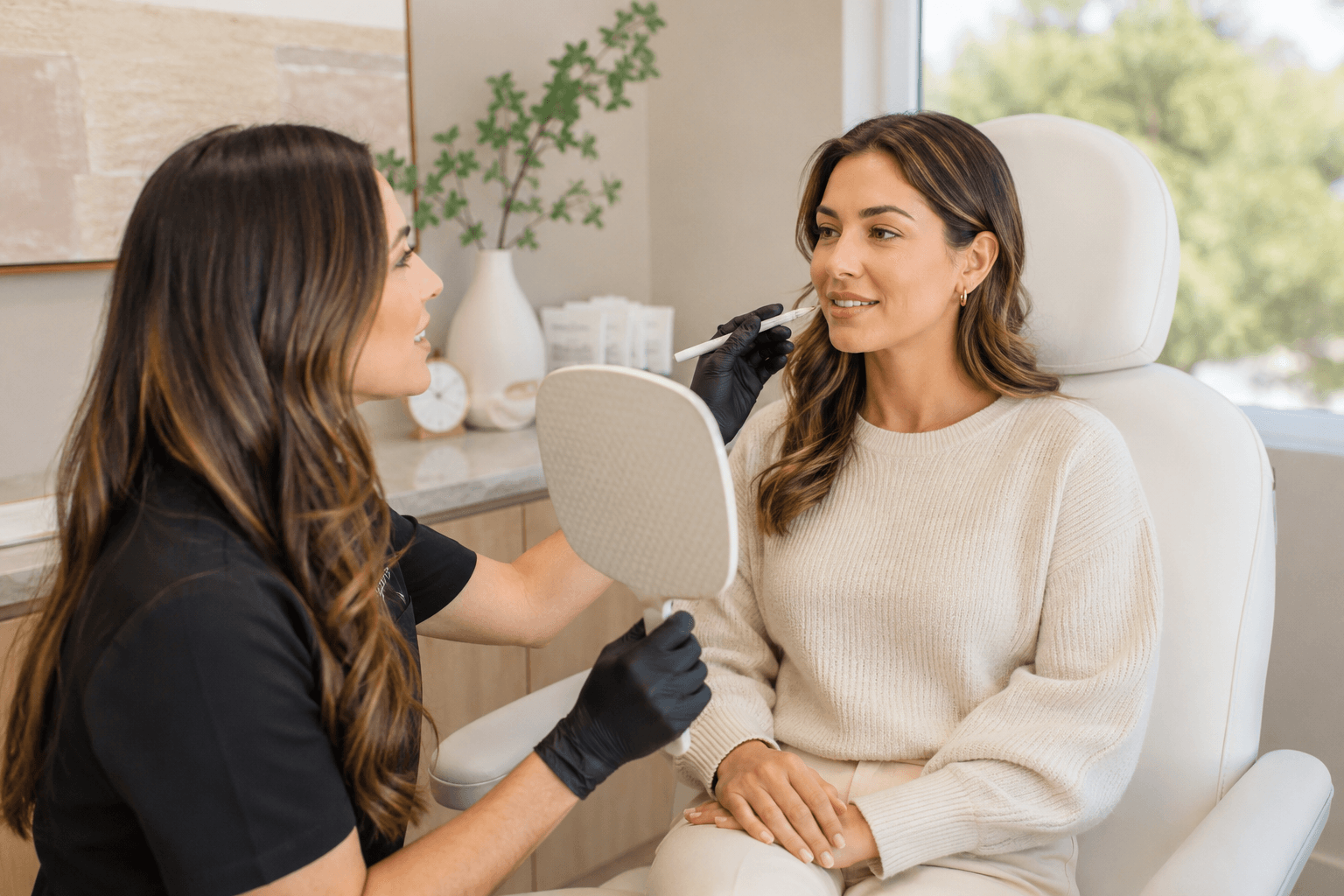
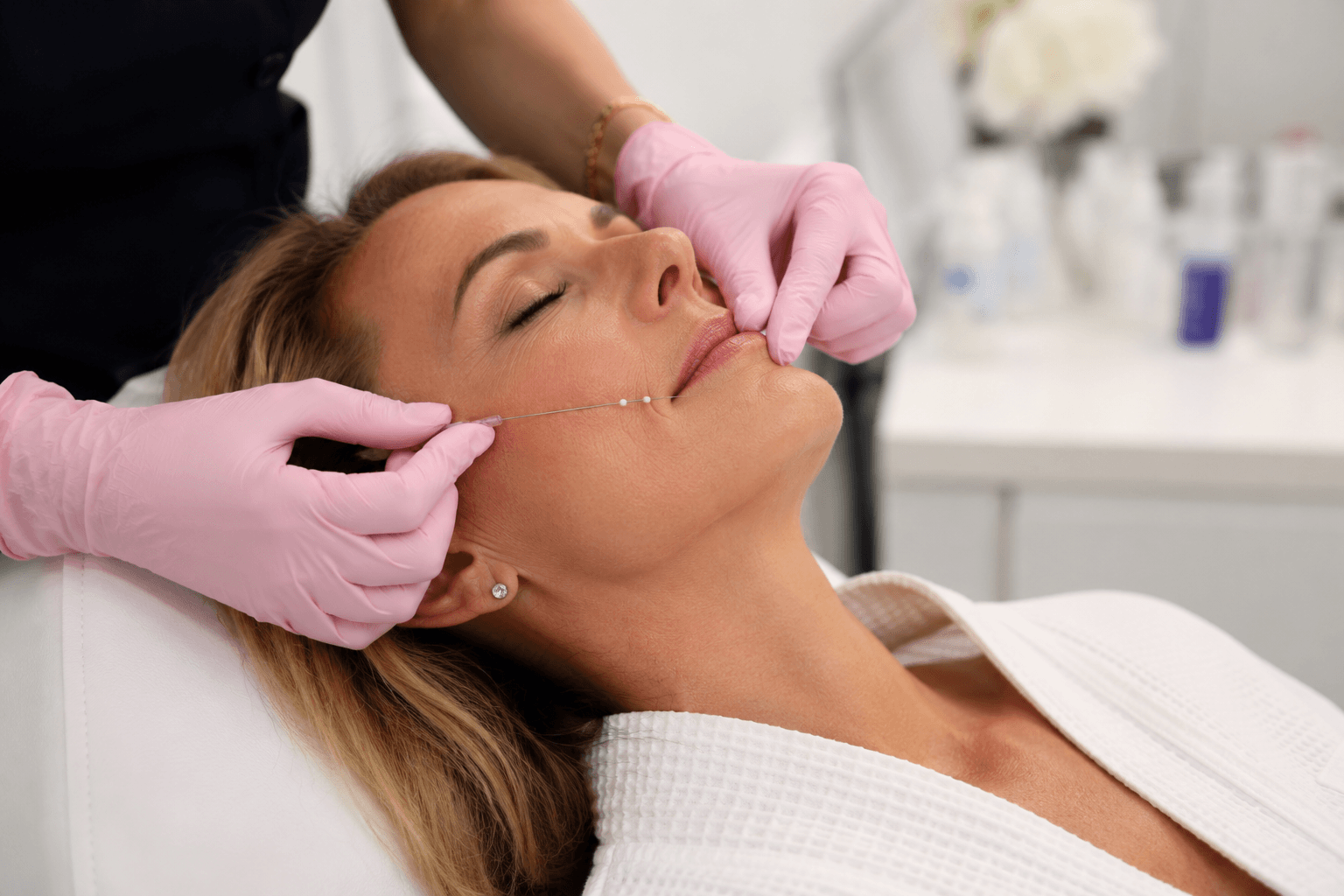
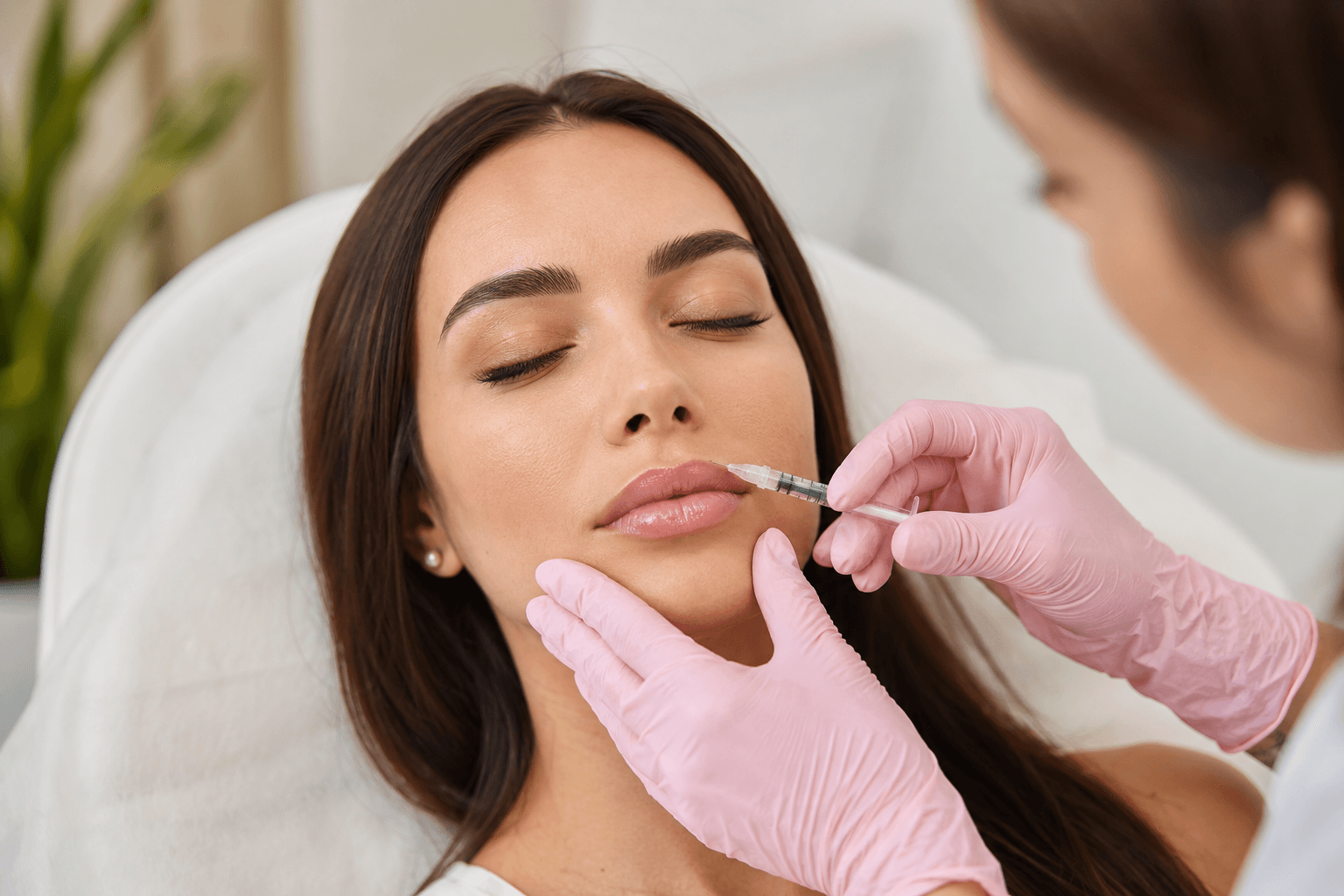
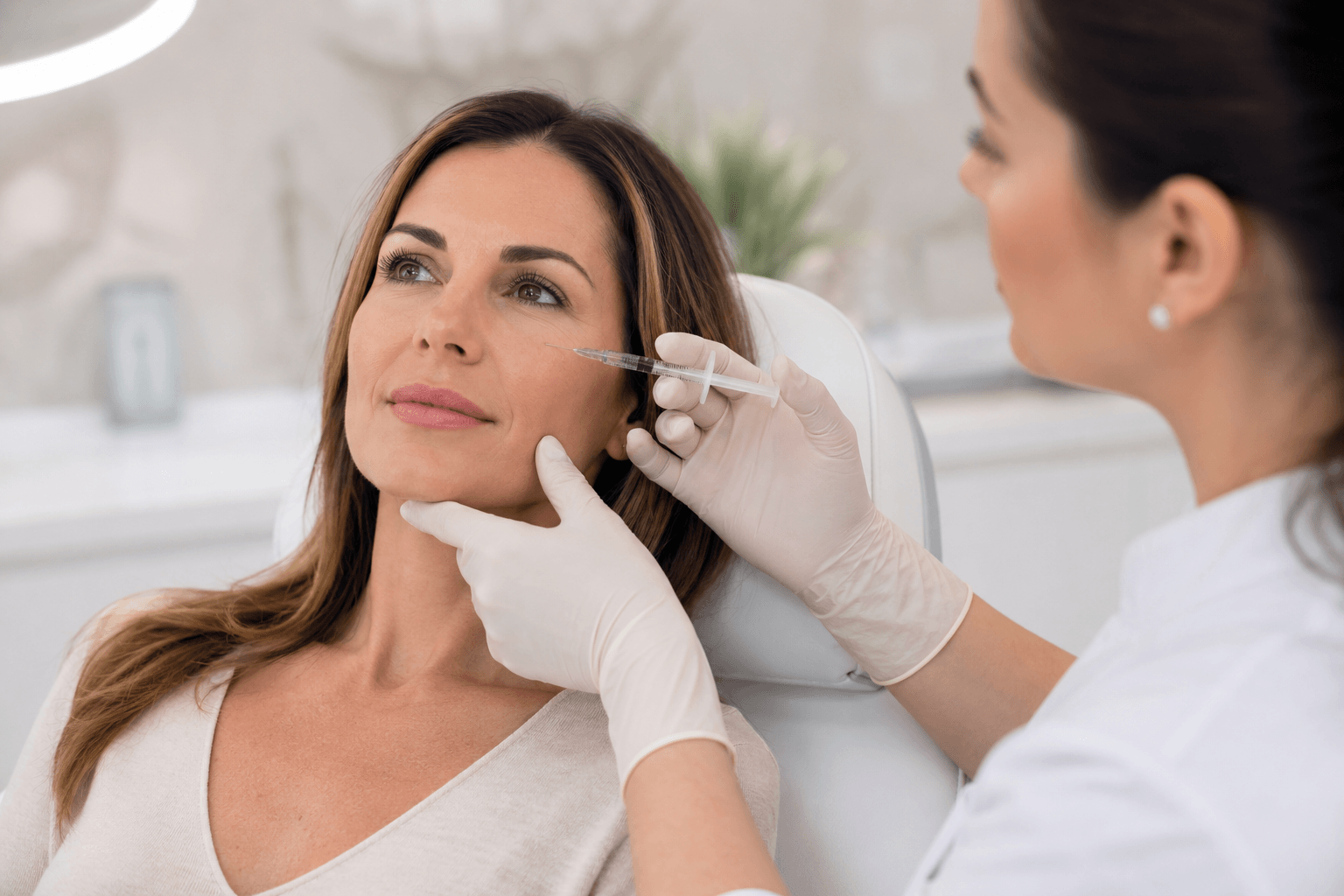
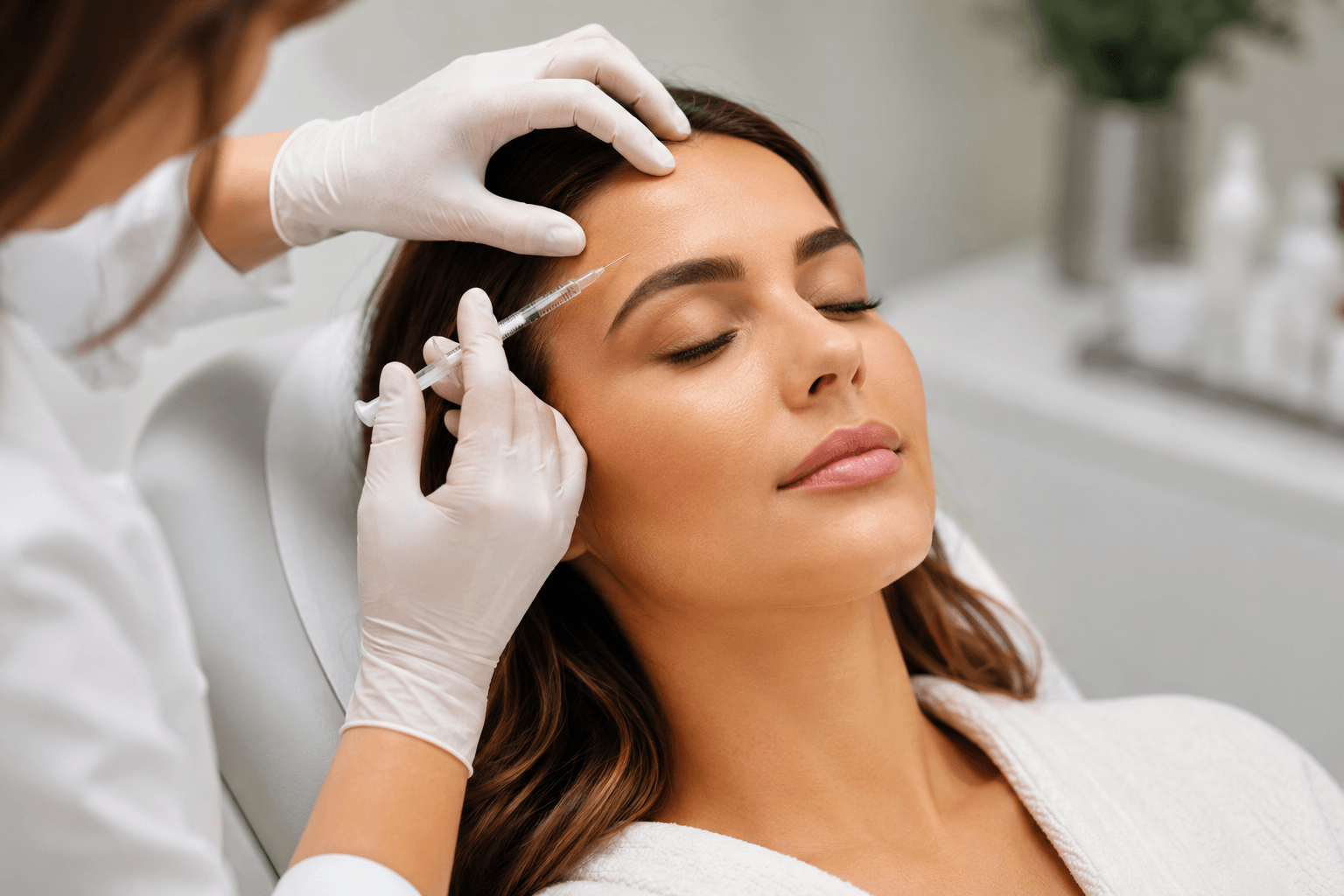
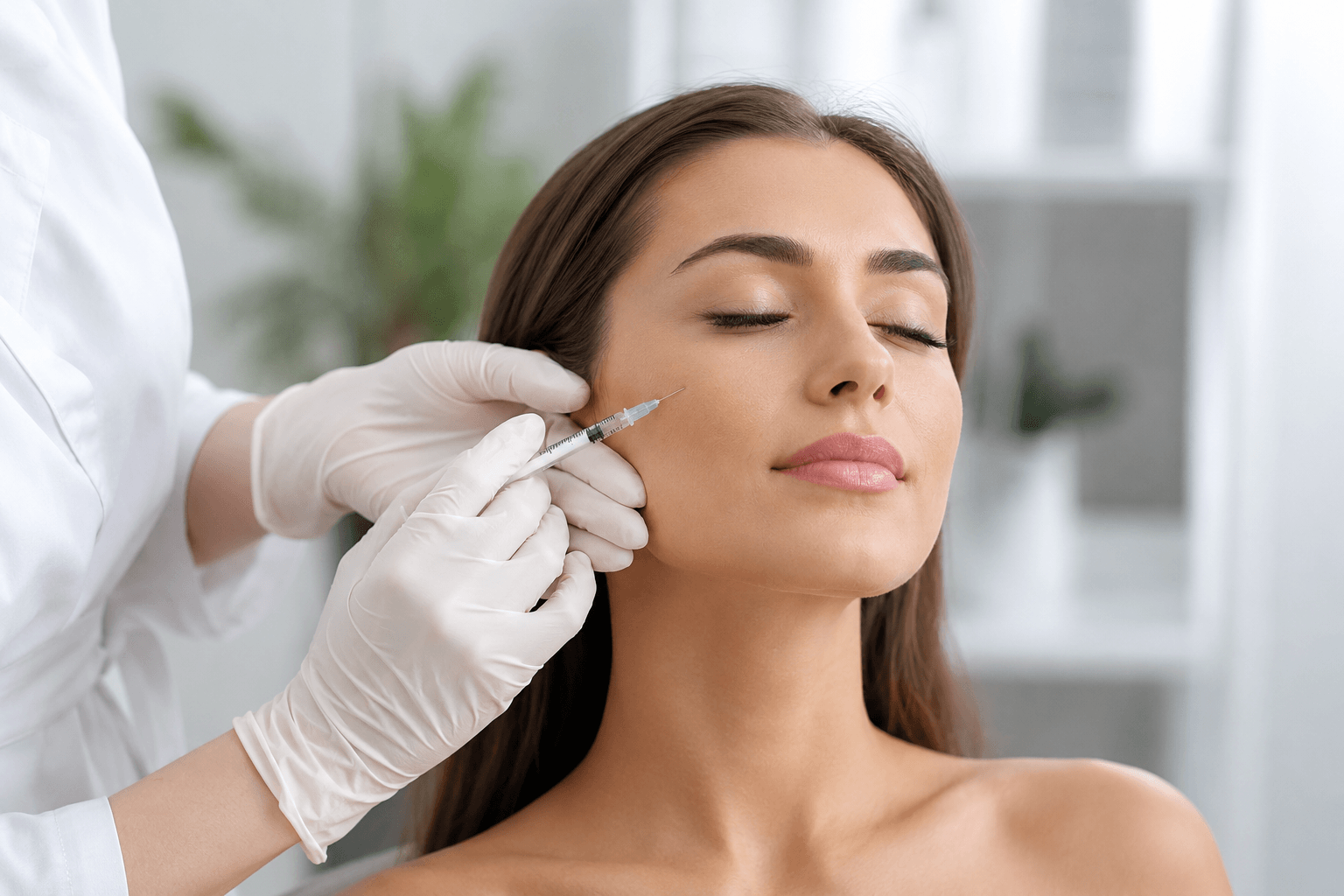
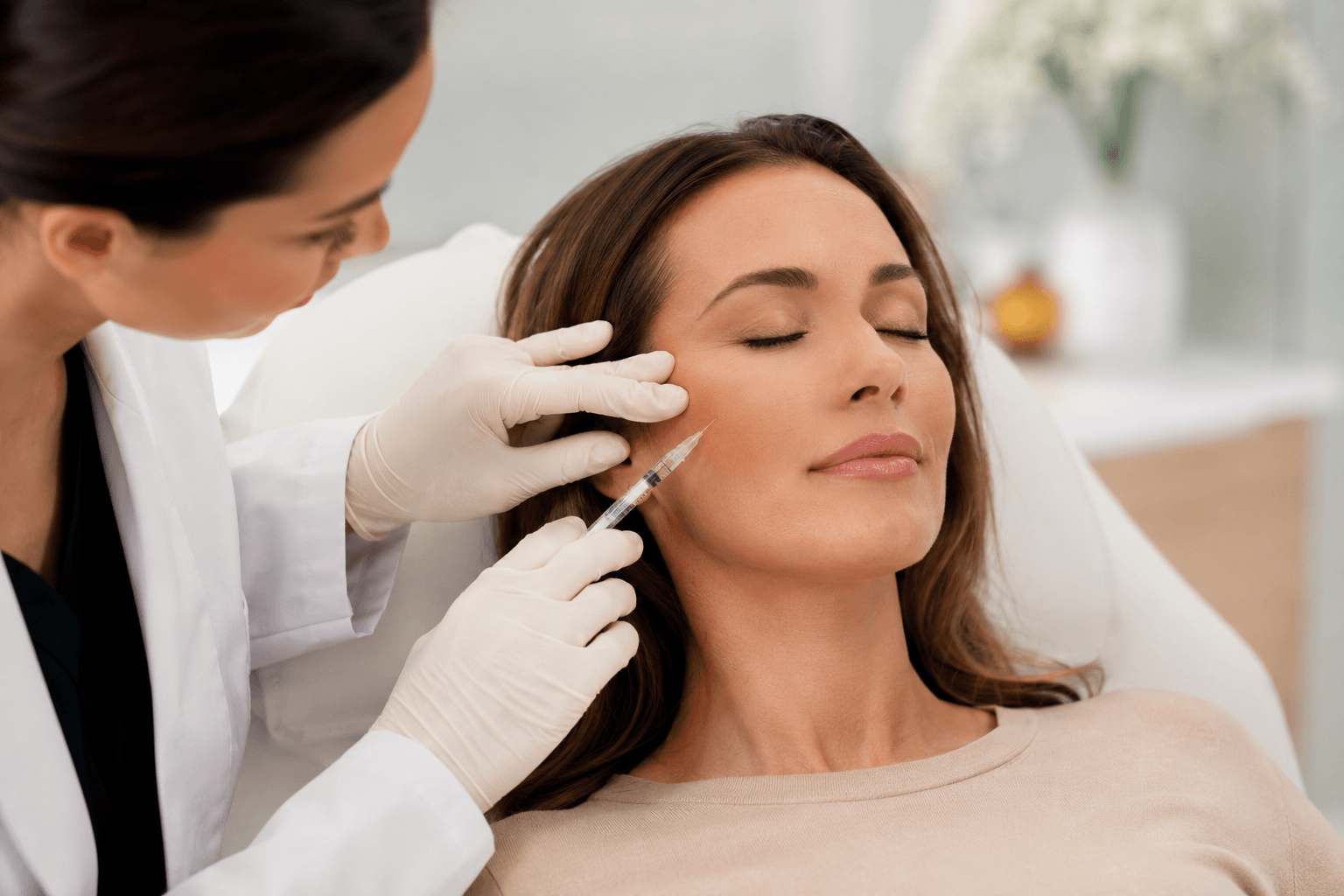
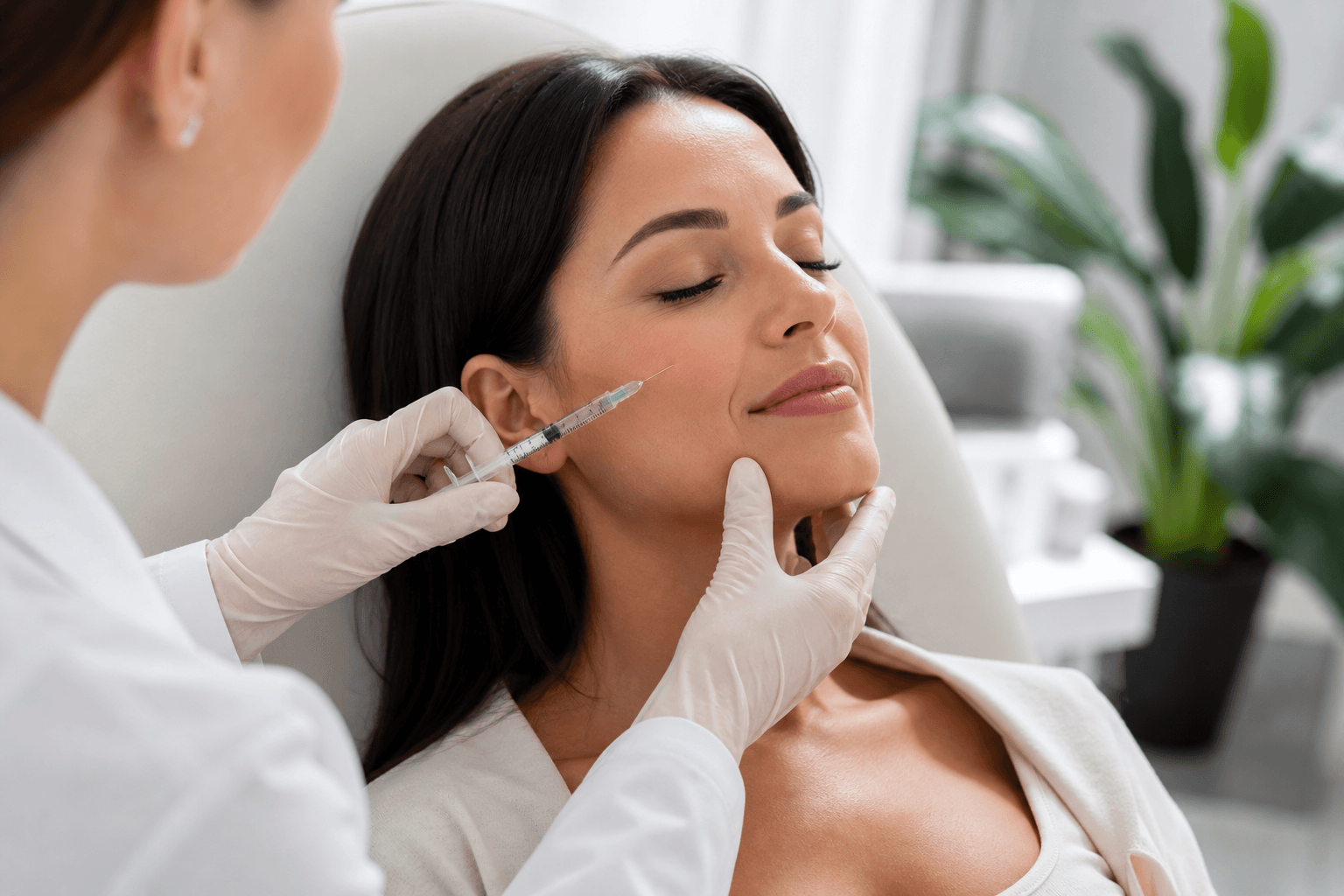
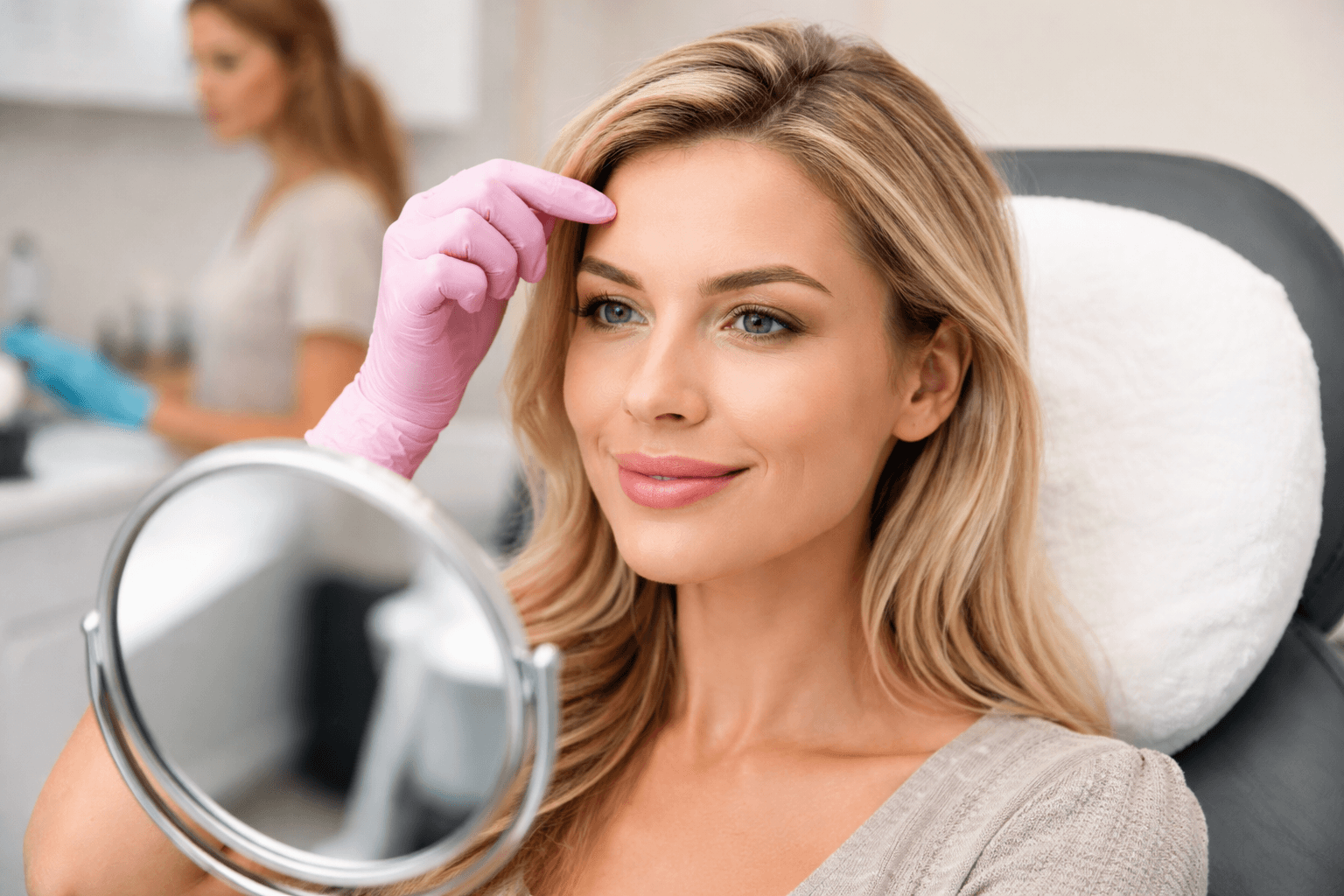
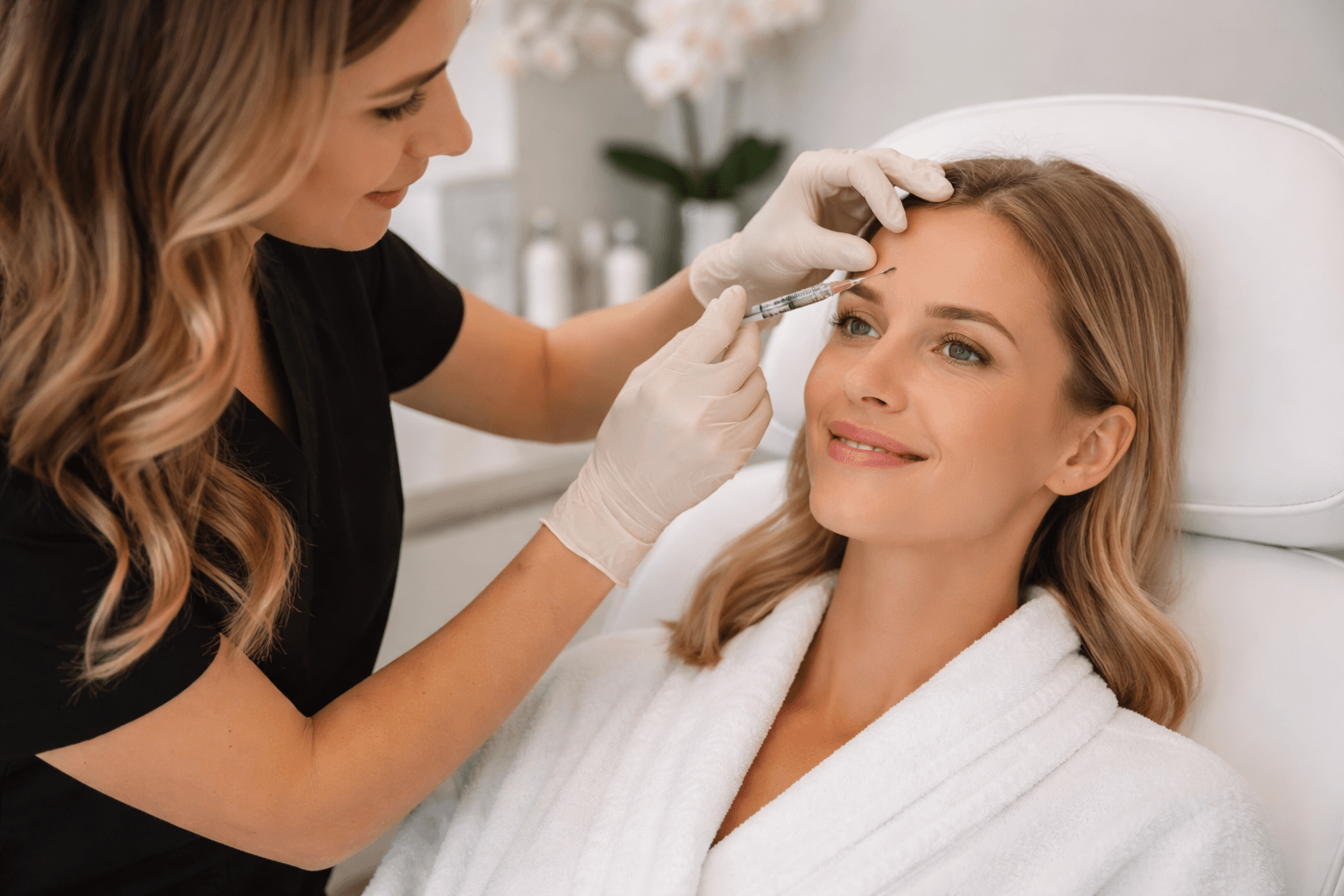
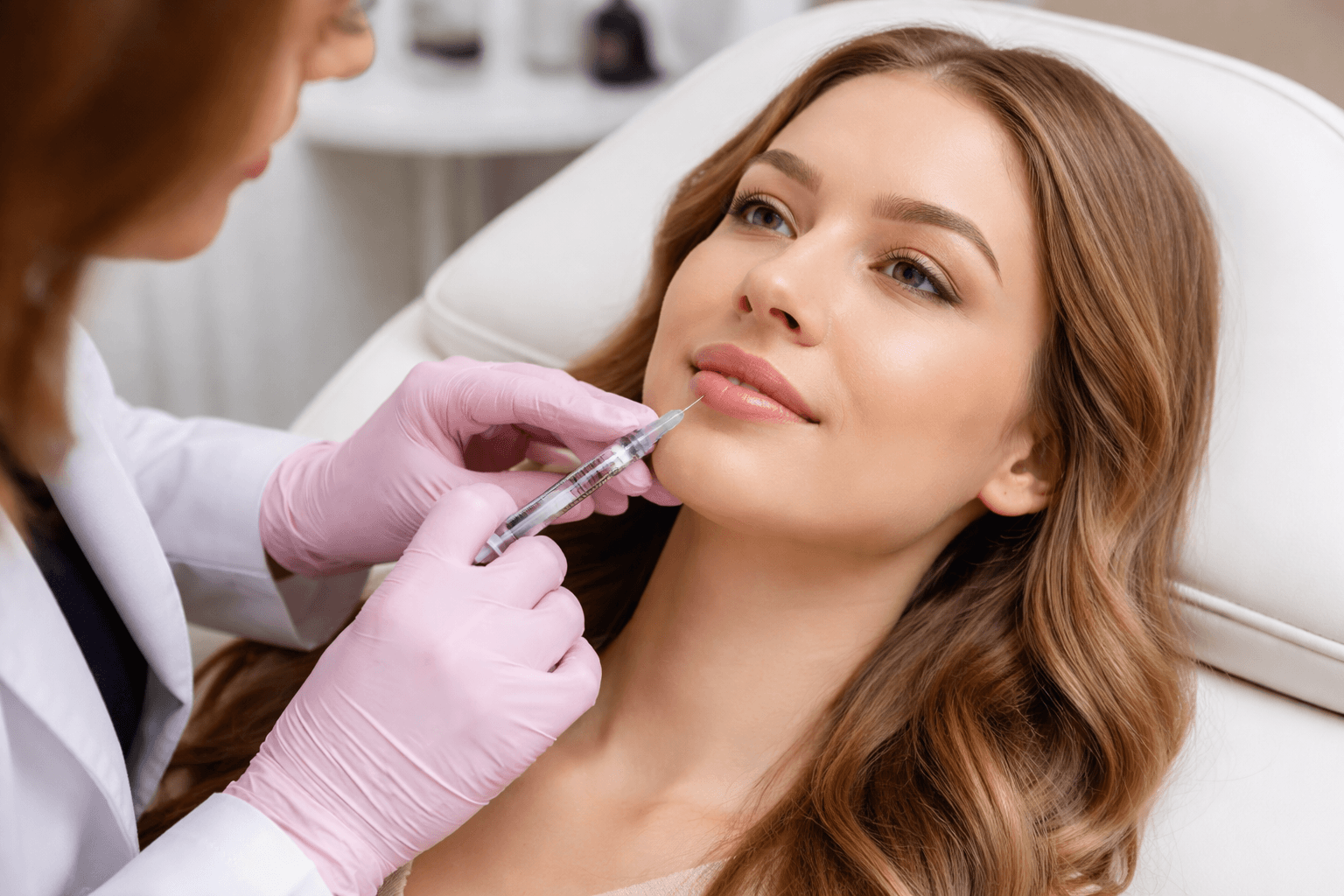
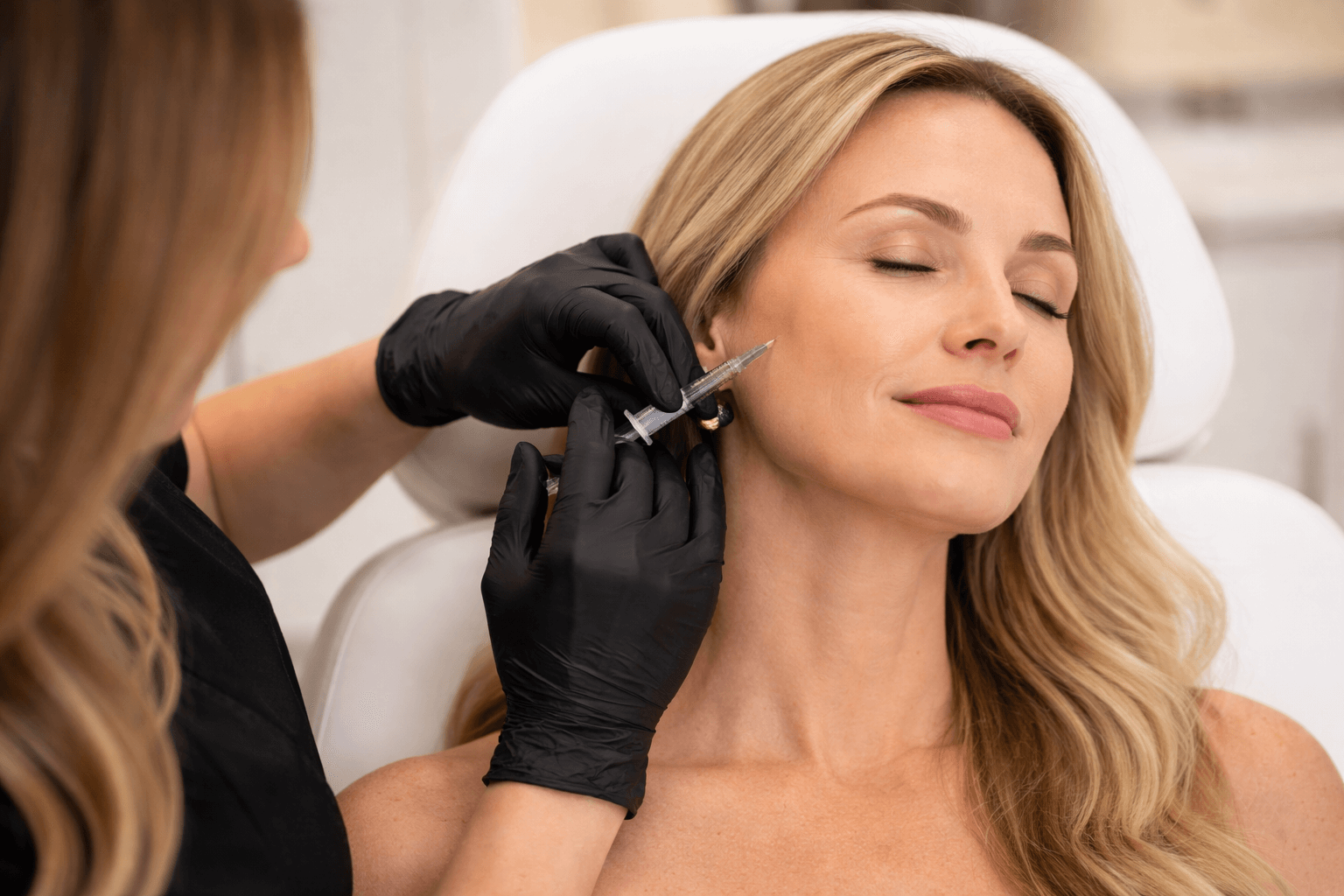
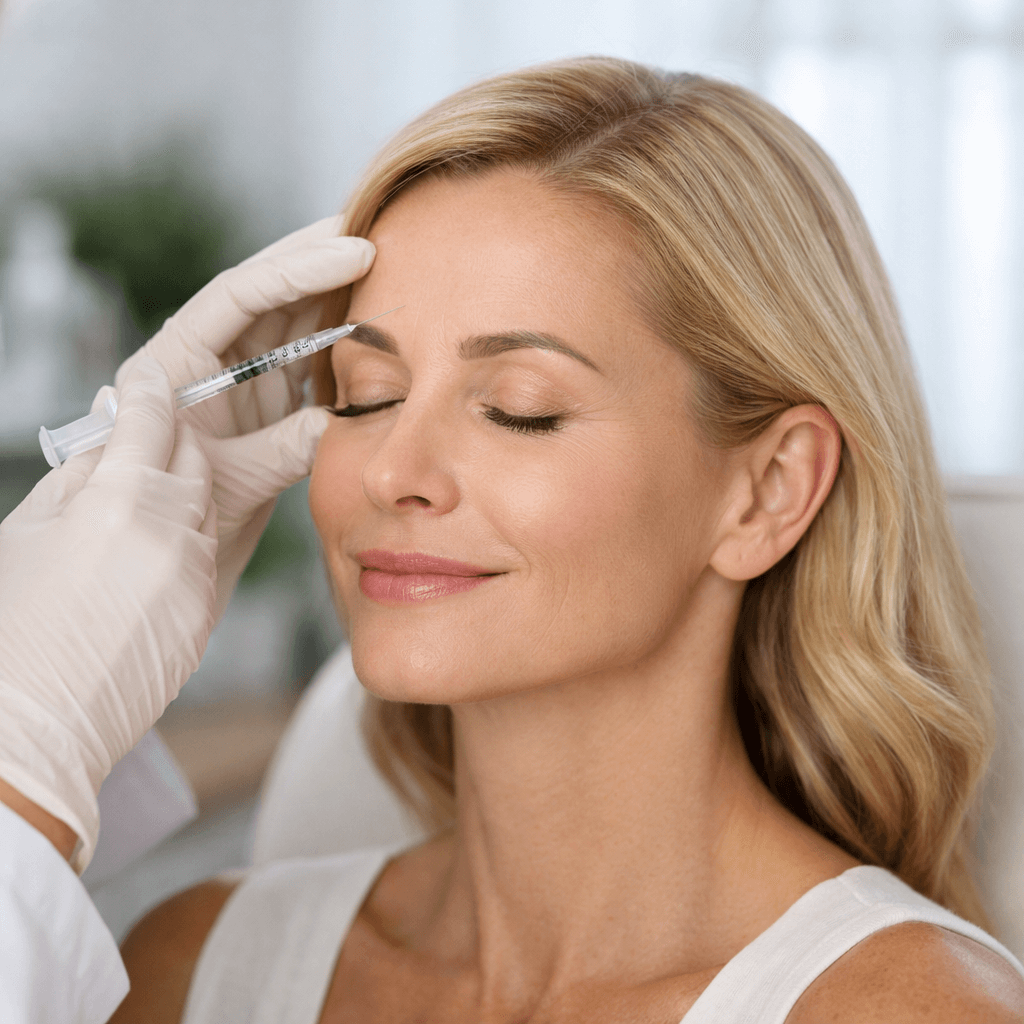
A typical session takes about fifteen to twenty minutes. The provider maps out the muscles responsible for your specific lines, whether that is the forehead, the area between the brows, or the crow's feet around the eyes, and administers a series of small injections. There is minimal discomfort, no downtime required, and most people return to their day immediately afterward.
This is the part of the before and after timeline that surprises a lot of first time patients. Immediately after your appointment, your skin will look essentially the same as it did before you walked in. You might notice small red bumps at the injection sites, similar to mosquito bites, which typically fade within thirty to sixty minutes.
There is no visible smoothing on day one. This is completely normal and does not mean anything went wrong.
The neurotoxin needs time to bind to the nerve endings and begin blocking signals to the muscle. During these first few days, you may not notice any difference at all. Some patients report mild tenderness at the injection sites, which resolves quickly.
Most people begin noticing subtle changes around day four, with muscle movement becoming visibly softer by day seven. You might catch yourself raising your eyebrows in the mirror and noticing the forehead does not crease the way it used to.
By the two week mark, the treatment has reached its full effect. This is considered the true before and after point, since it reflects the final, settled result rather than a partial one. If you booked photos to document your progress, this is the appropriate time to take the "after" shot.
Results generally last three to four months, though this varies based on metabolism, muscle strength, and dosage. Toward the end of that window, you may notice slight return of movement in the treated area, which is a normal sign that it is time to schedule your next session.
This is the question that matters most to people who are hesitant about treatment. A natural looking result comes down to three main factors.
Overcorrecting a muscle, especially the frontalis muscle across the forehead, is one of the most common reasons results look overdone. Skilled providers dose conservatively for first time patients and adjust at the follow up visit if more softening is desired.
A well planned treatment leaves enough natural movement in the mid face and around the mouth so that smiling, talking, and expressing emotion still look like you. The goal is softened lines, not an immobile face.
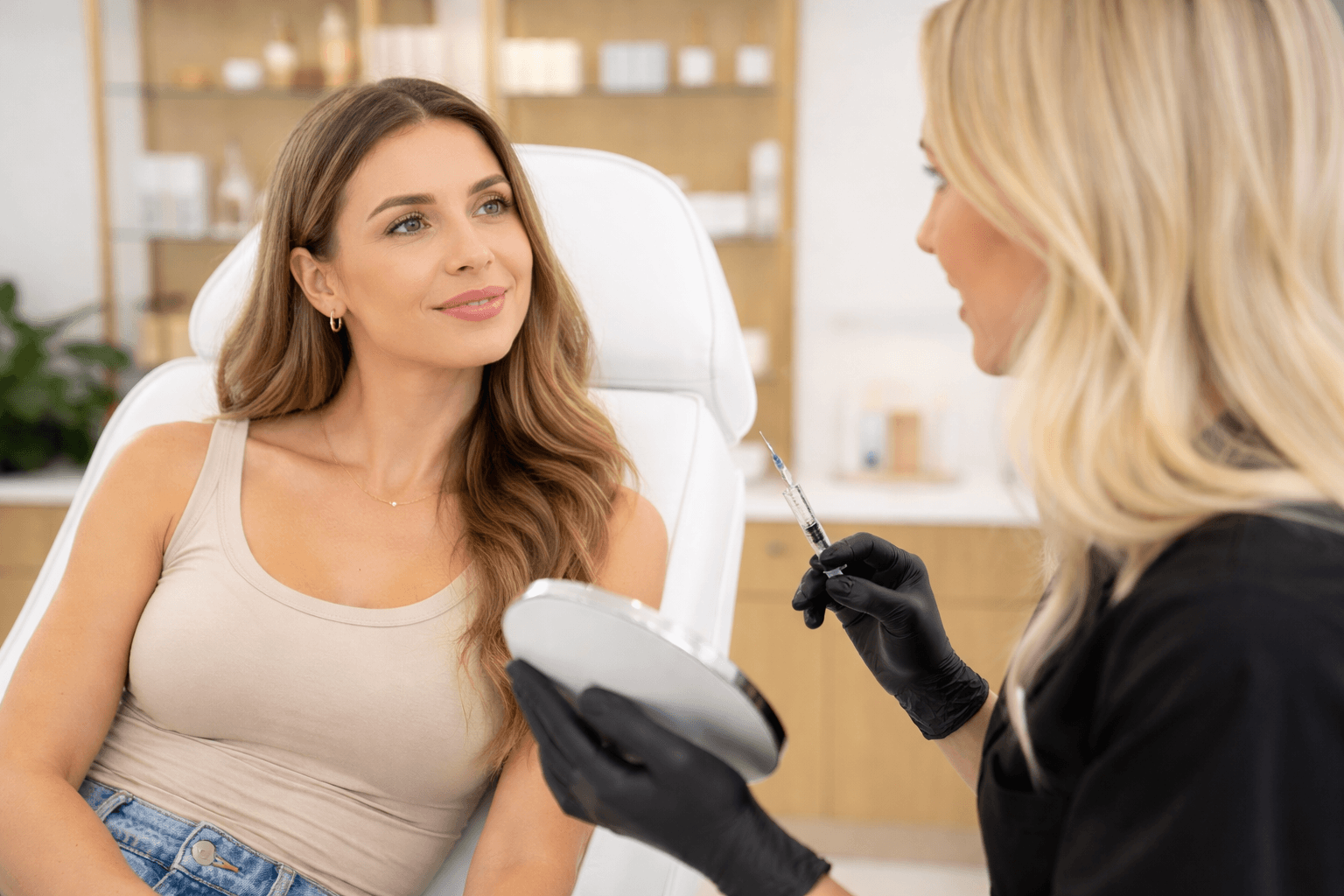
Every face moves differently. An experienced injector evaluates your specific muscle patterns, asymmetries, and expression habits before choosing injection points, rather than applying a one size fits all pattern.
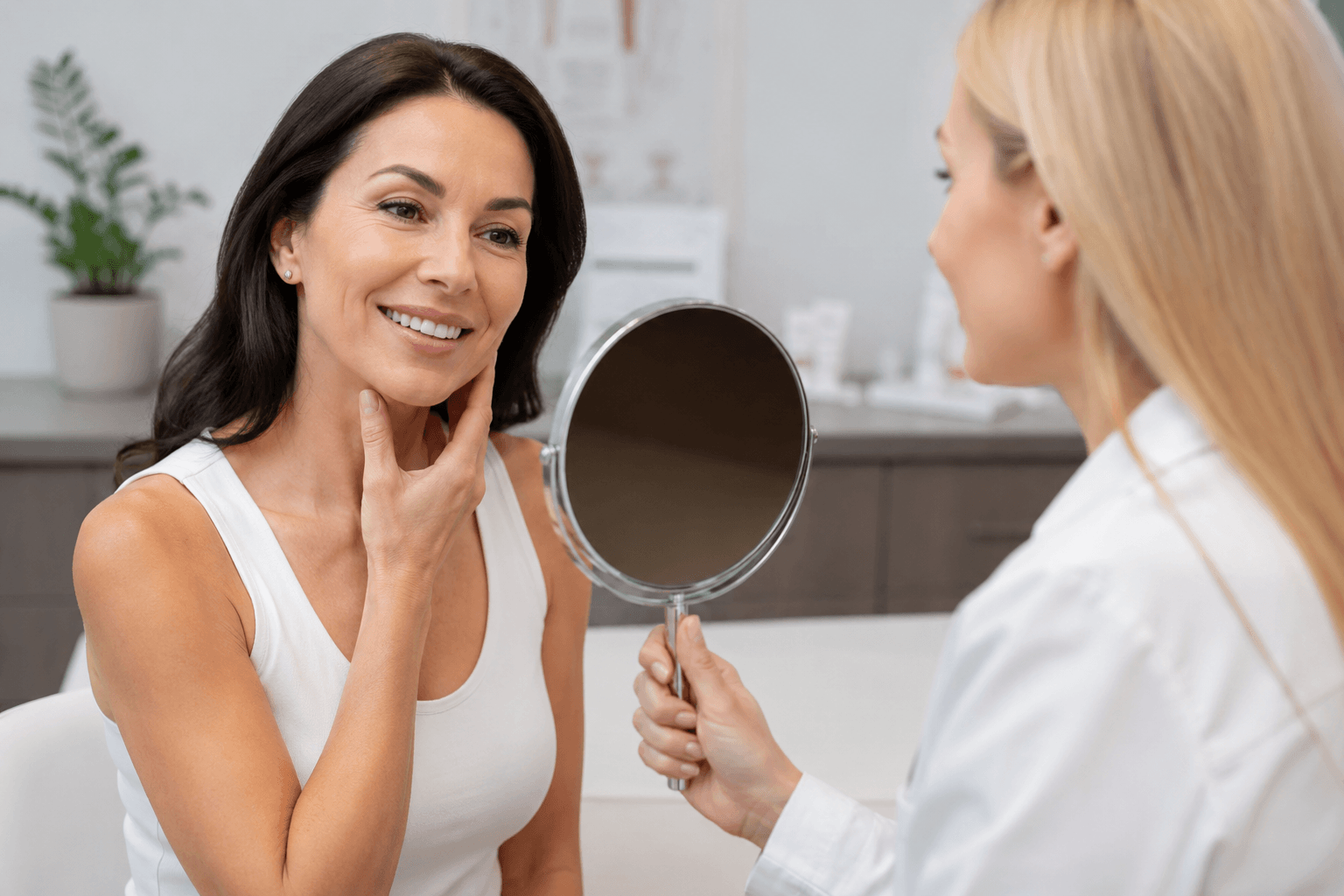
Good candidates for Botox typically have visible dynamic wrinkles that appear with expression but have not yet become deeply etched into the skin at rest. People in their late twenties through their fifties often see excellent results, though there is no strict age cutoff.
Botox is not the right fit for pregnant or breastfeeding individuals, people with certain neuromuscular conditions, or those looking to address static wrinkles caused primarily by volume loss rather than muscle movement. In those cases, a filler may be a more appropriate solution, sometimes even paired with Botox for a more complete result.
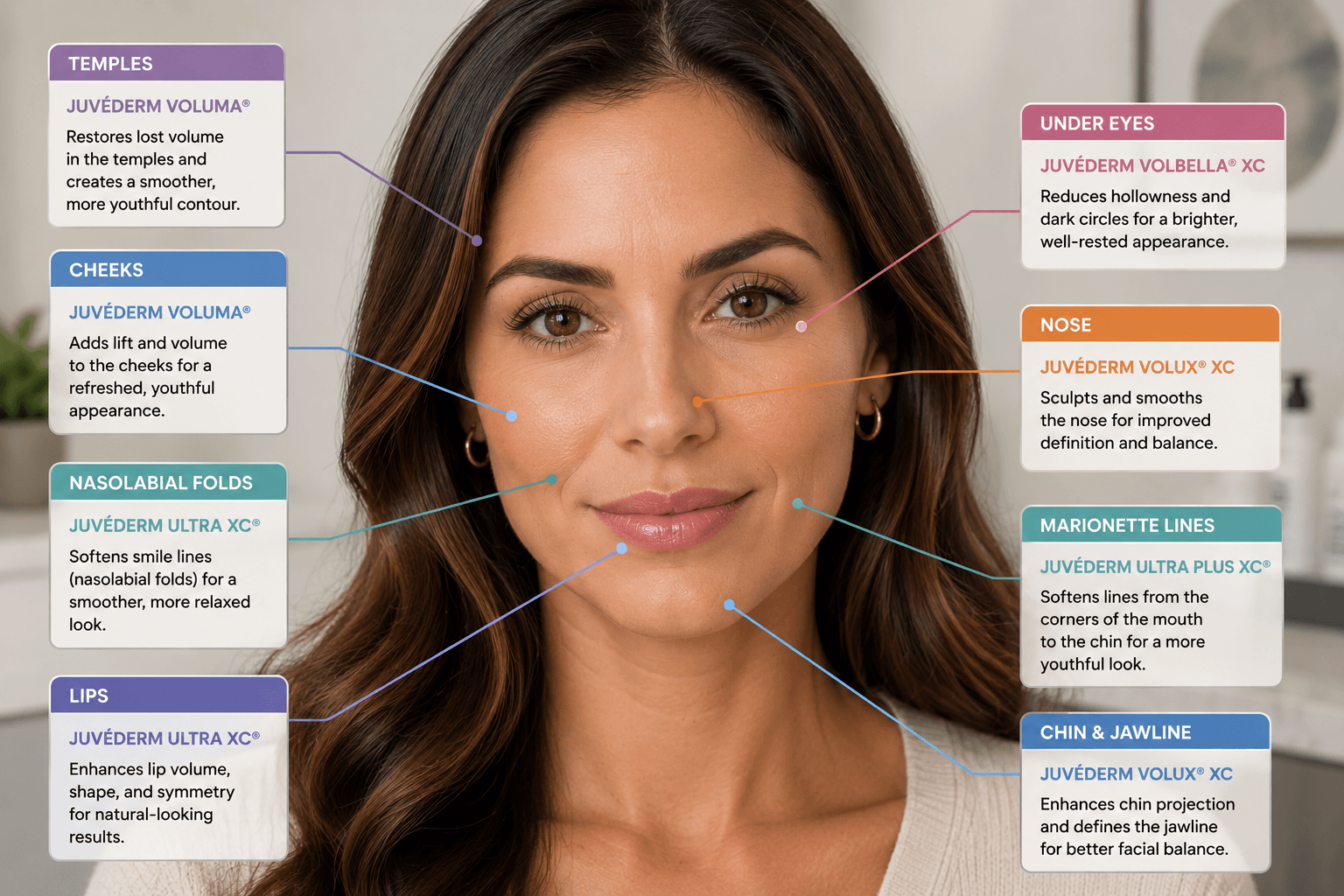
Many Charlotte patients pair Botox with dermal fillers to address both the dynamic lines caused by movement and the volume loss that happens naturally with age. While Botox smooths the crease caused by muscle activity, fillers restore lost volume in areas like the cheeks or under the eyes. Combining the two often produces a more complete rejuvenation than either treatment alone.
If thinning or fine lines extend beyond the face, some patients also explore skin quality treatments to support long term results between appointments.
If you are documenting your own results, plan to take photos at four key points: the day of treatment, day seven, day fourteen, and around the three month mark before your next session. This timeline gives you an honest picture of the full arc, rather than comparing a same day photo to someone else's two week result and wondering why your own before and after looks different at first.
How soon will I see my Botox before and after results? Most people notice initial softening around day four, with full results visible by day fourteen. This is why the two week mark is considered the standard point for comparing before and after photos.
Does Botox before and after ever look unnatural? It can if the dosage is too high or the injection points are not customized to your facial anatomy. Choosing an experienced provider who tailors treatment to your muscle patterns is the best way to avoid an overdone look.
How long do Botox results last before I need a touch up? Results typically last three to four months. Many patients in Charlotte schedule maintenance appointments every twelve to sixteen weeks to keep results consistent.
Can Botox before and after results vary between different areas of the face? Yes. Areas with stronger muscles, like the frontalis across the forehead, may show subtle differences in longevity compared to smaller muscle groups like those around the eyes.
Is there any downtime between the before and after stages? No significant downtime is required. Most patients return to work and normal activities immediately, with only minor redness at injection sites that resolves quickly.
If you have been comparing Botox before and after photos online and wondering what your own results could look like, the team at Smooth Aesthetics is ready to walk you through a personalized plan. Learn more about our approach to Botox in Charlotte or explore our full range of services to see how treatments work together for a natural, refreshed result. You can also read more about what makes a good Botox candidate before your consultation.
This guide was updated in August 2026 to reflect the most current treatment timelines and best practices in Charlotte, NC.









.png)
.png)


















.png)



.png)

.png)

.png)
.png)
.png)





.png)


