
The word gets used loosely, so it makes sense that a lot of people are not entirely sure what separates a medspa from a regular day spa, or from booking an appointment with a dermatologist. The confusion is understandable since all three can involve skin treatments, but the differences actually matter, especially if you are trying to figure out where to go for something like Botox, fillers, or a treatment plan aimed at long term skin health rather than a one time pampering session.
Here is a clear breakdown of what a medspa actually is, how it differs from the alternatives, and why more people, particularly those with demanding schedules, are choosing this option in Baton Rouge.
This guide was updated in September 2026 to reflect current medspa offerings and standards.
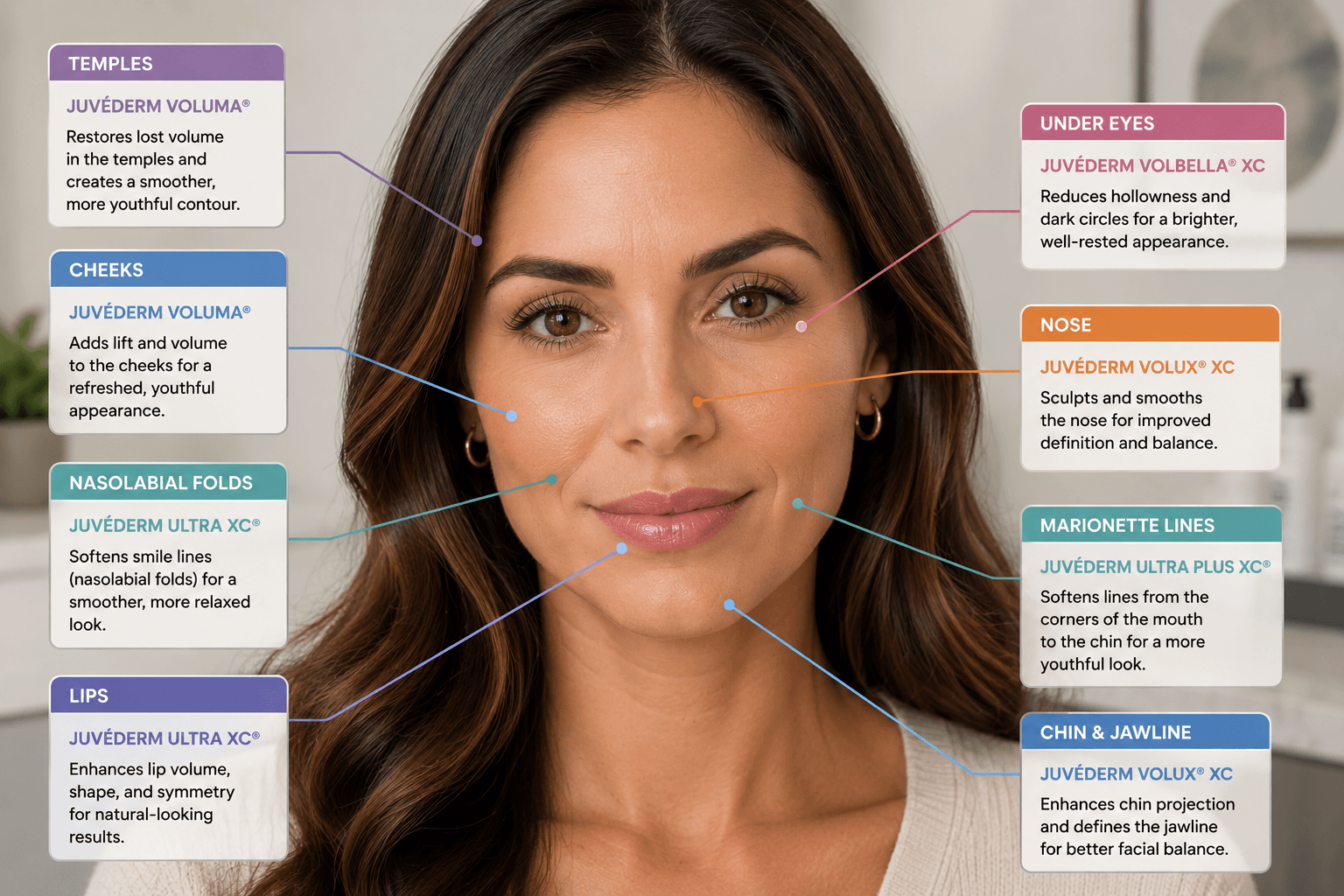
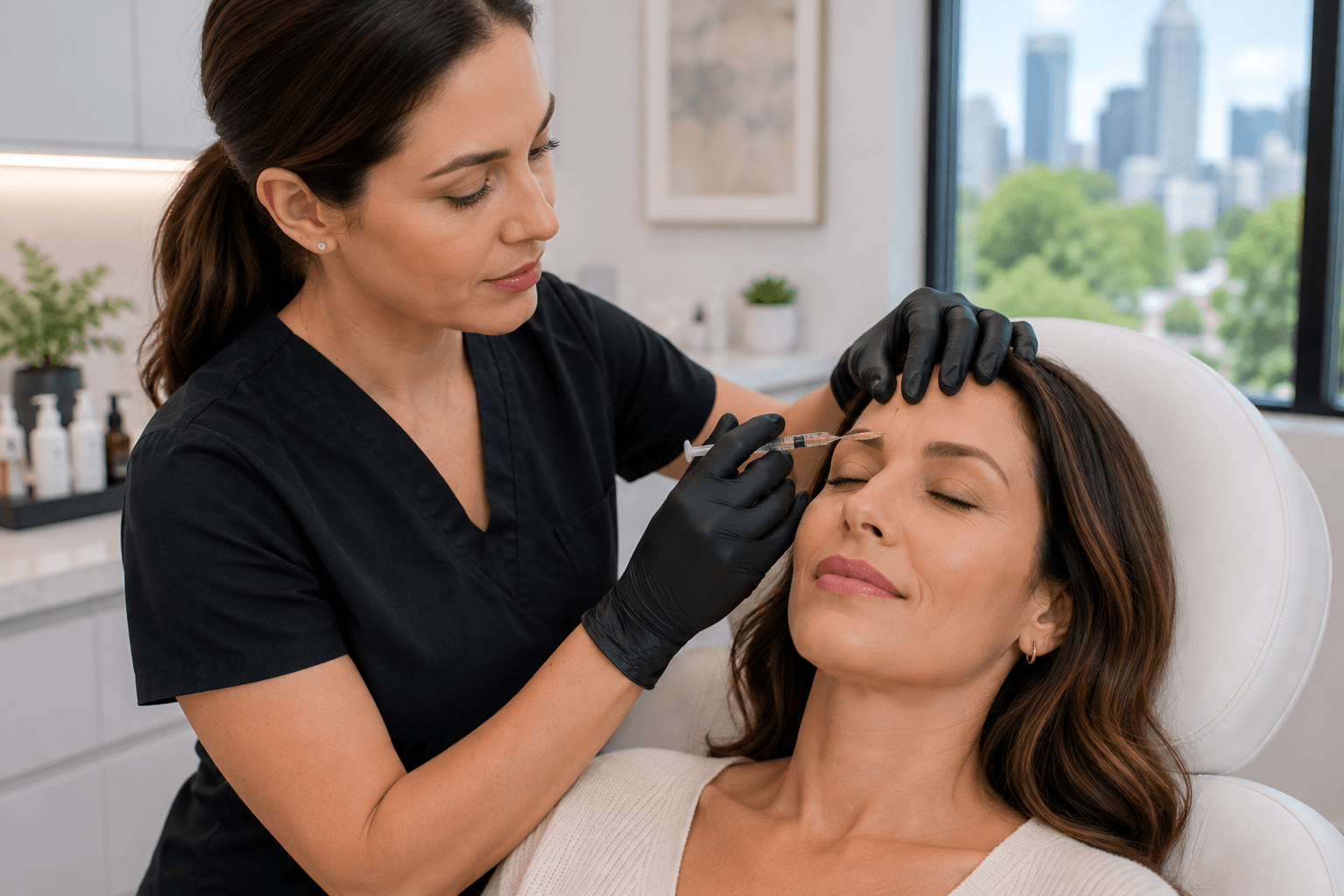
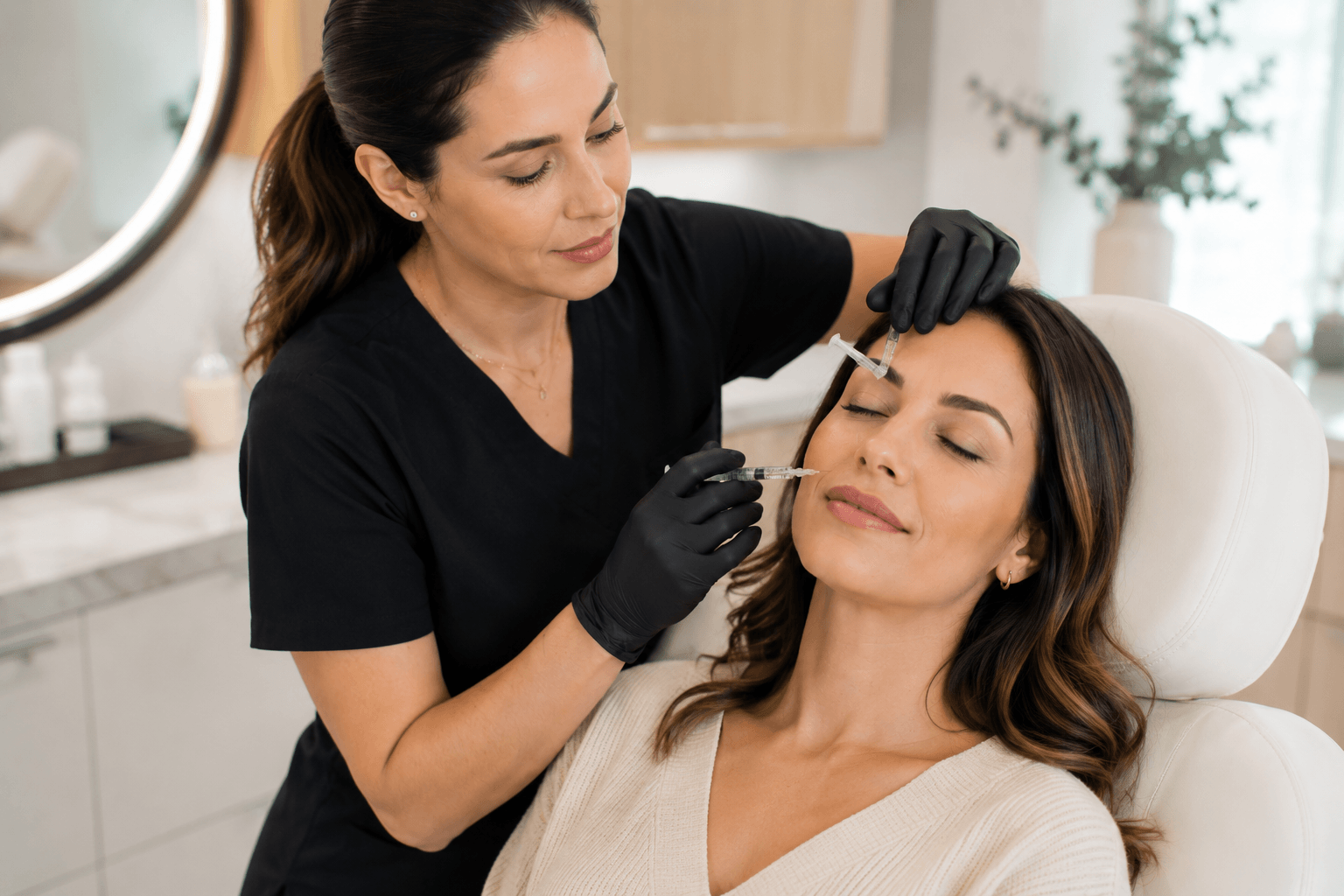
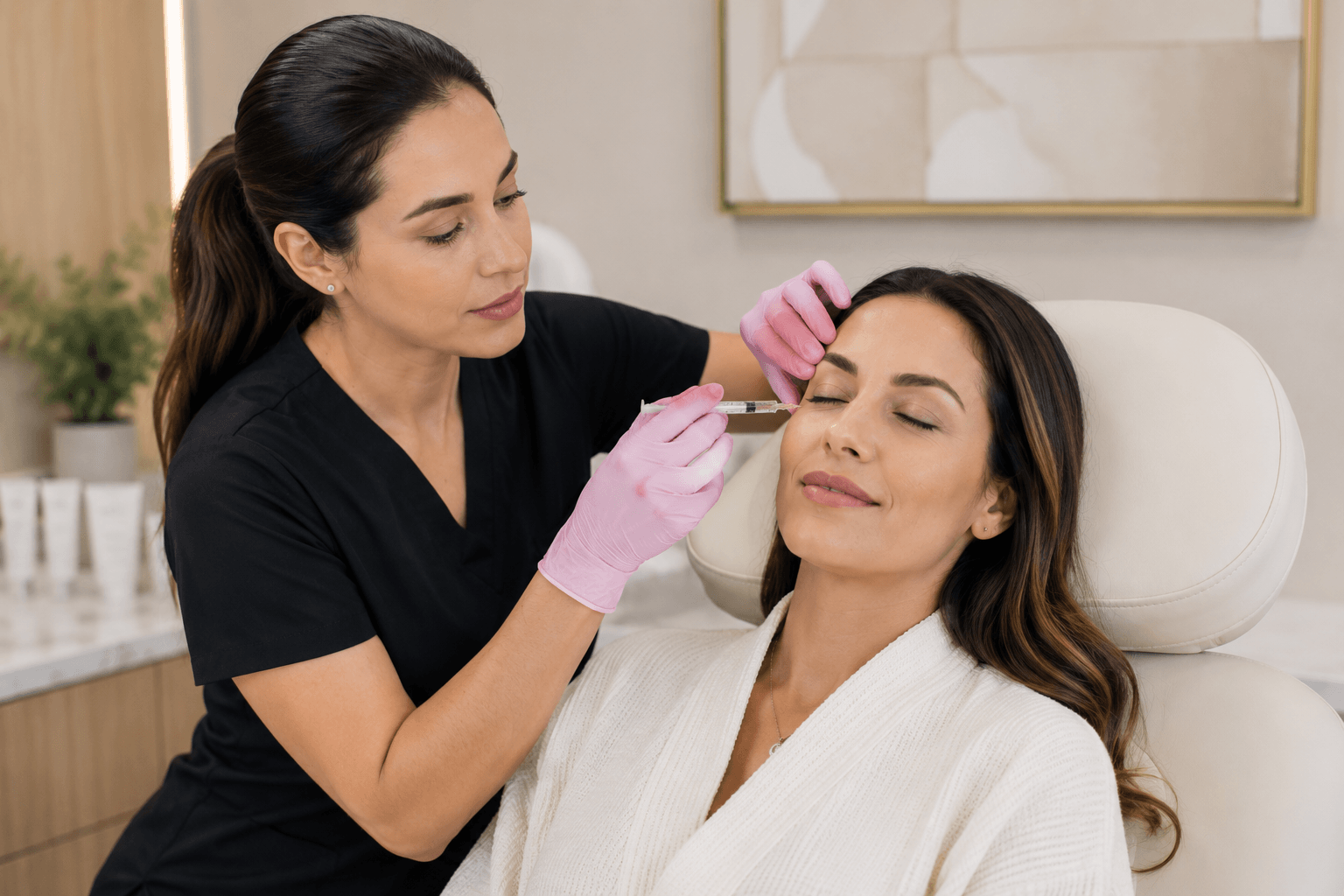
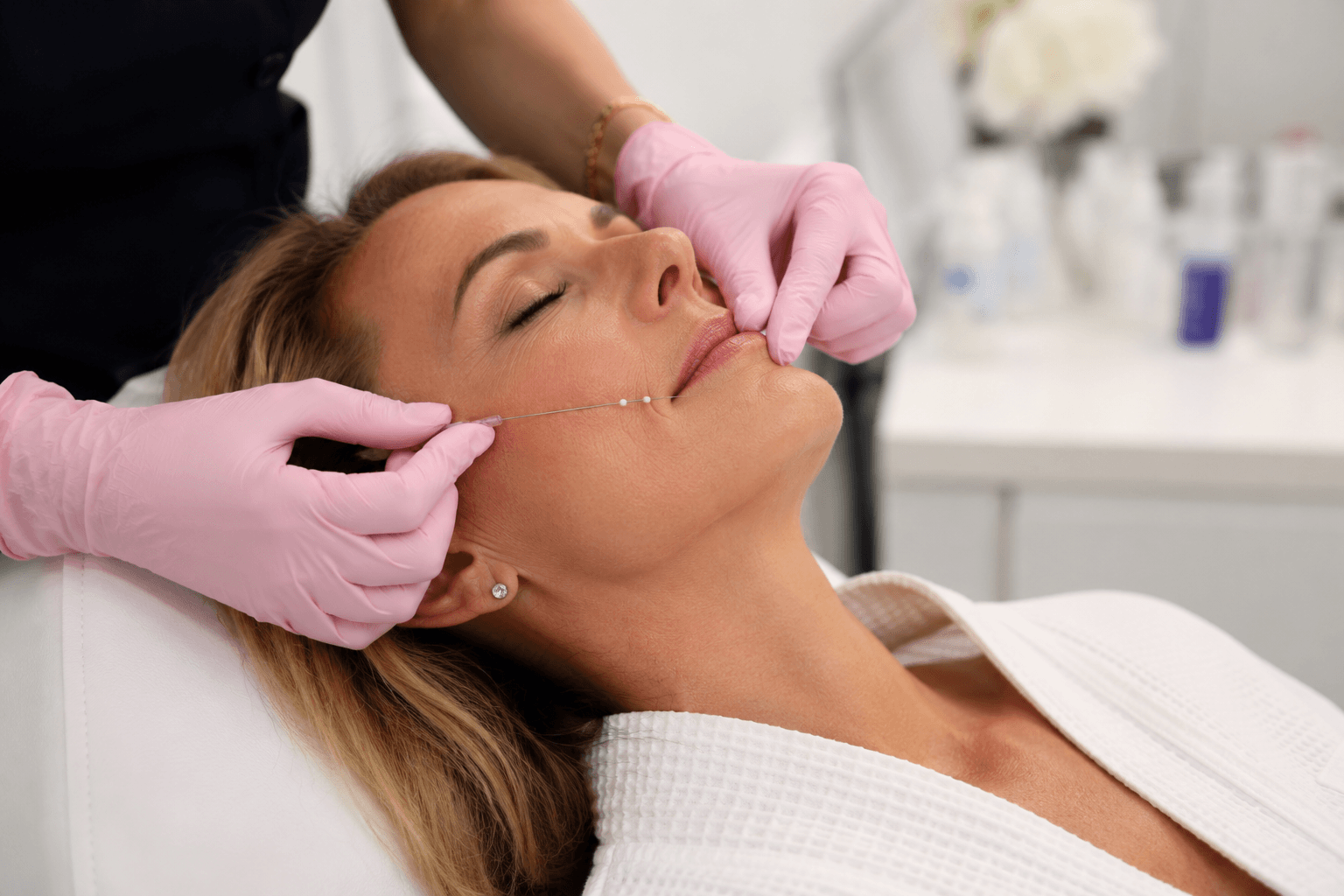
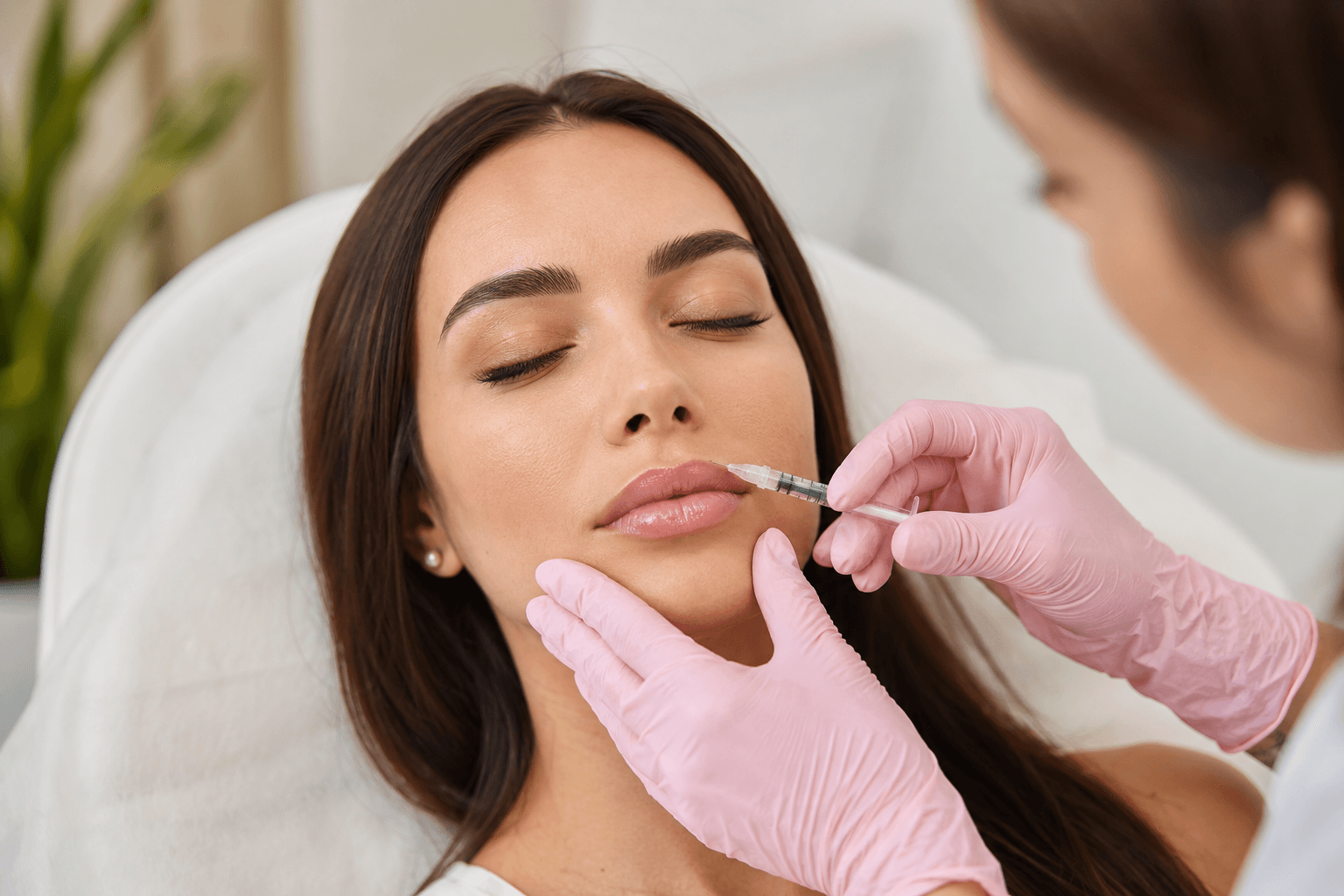
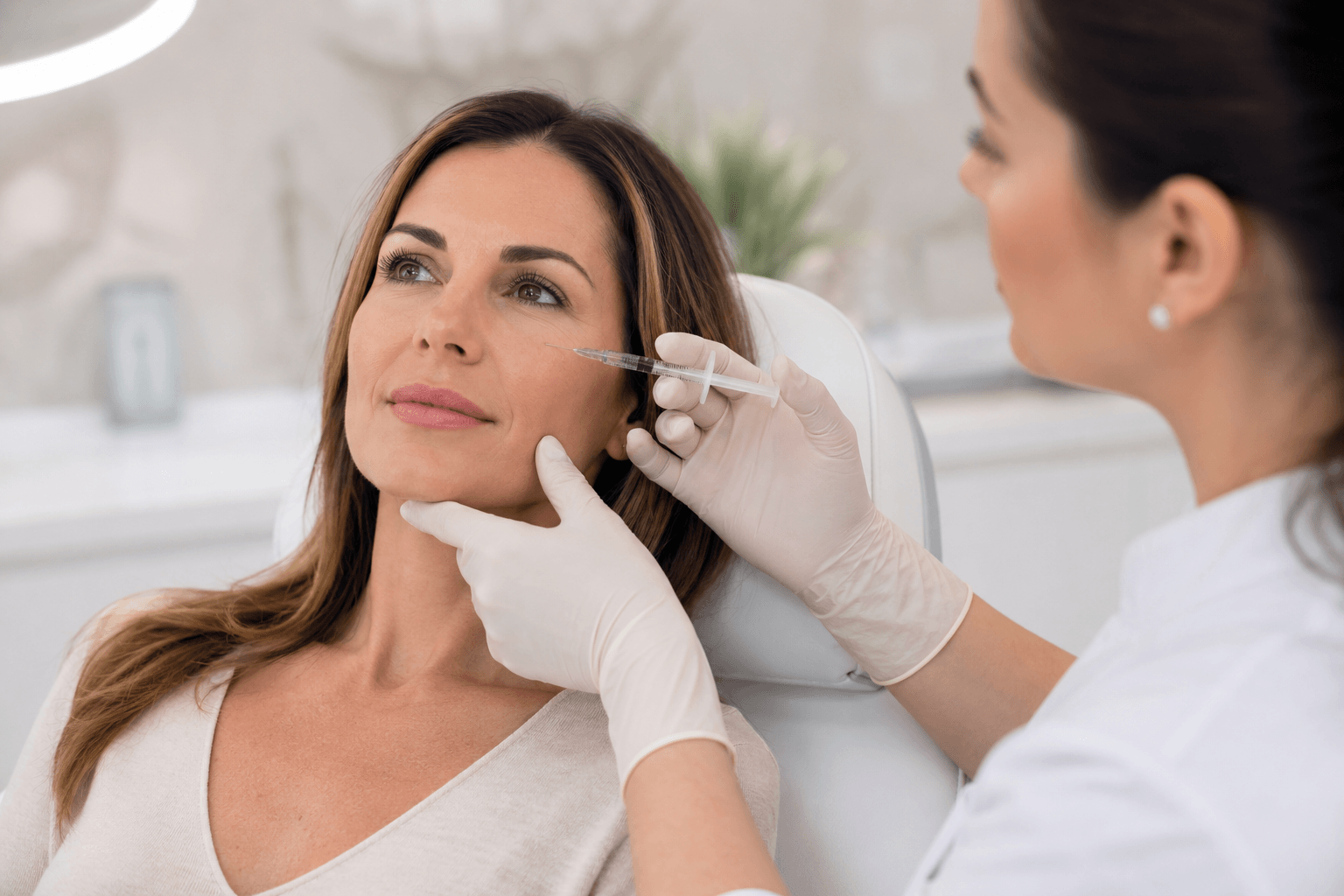
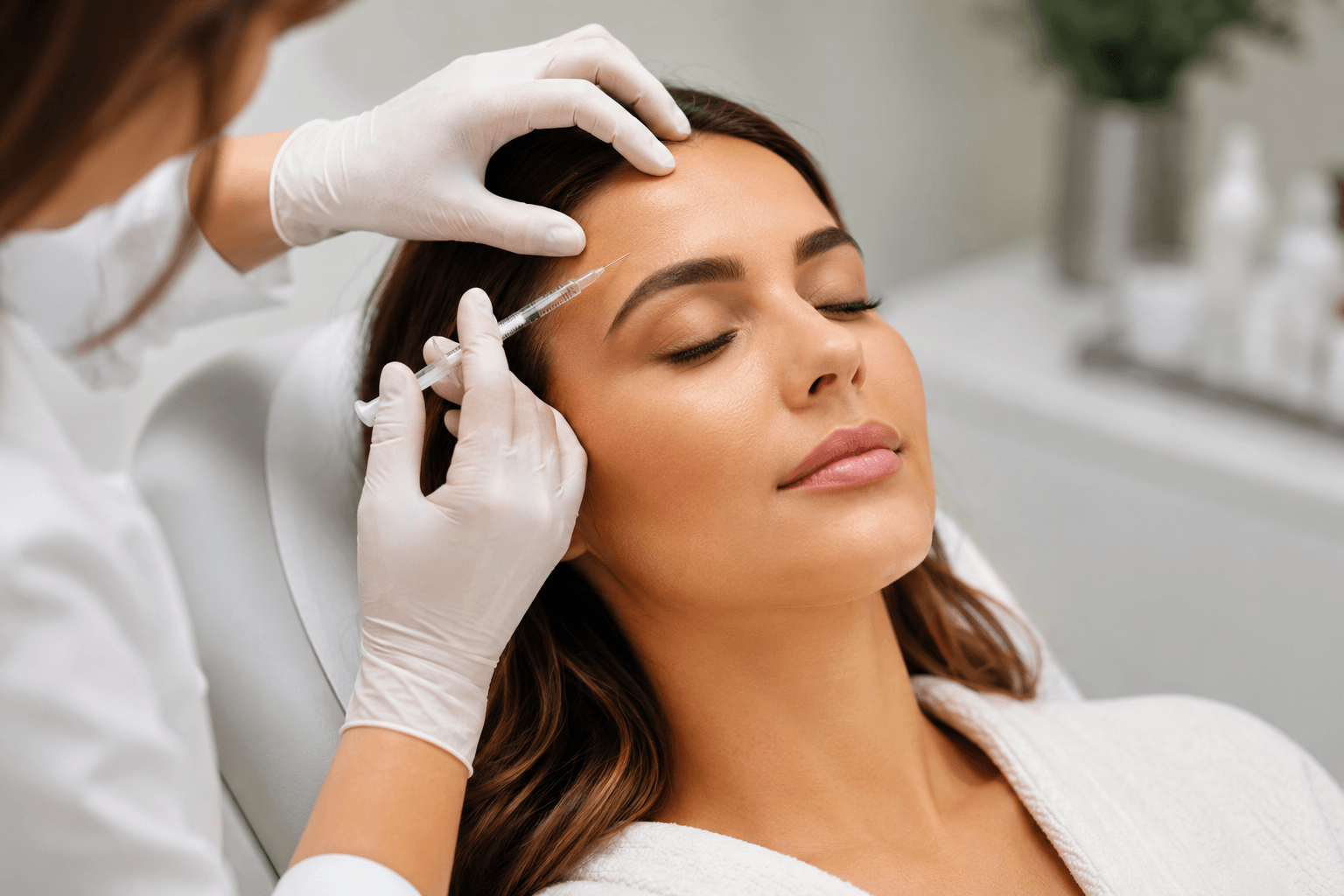
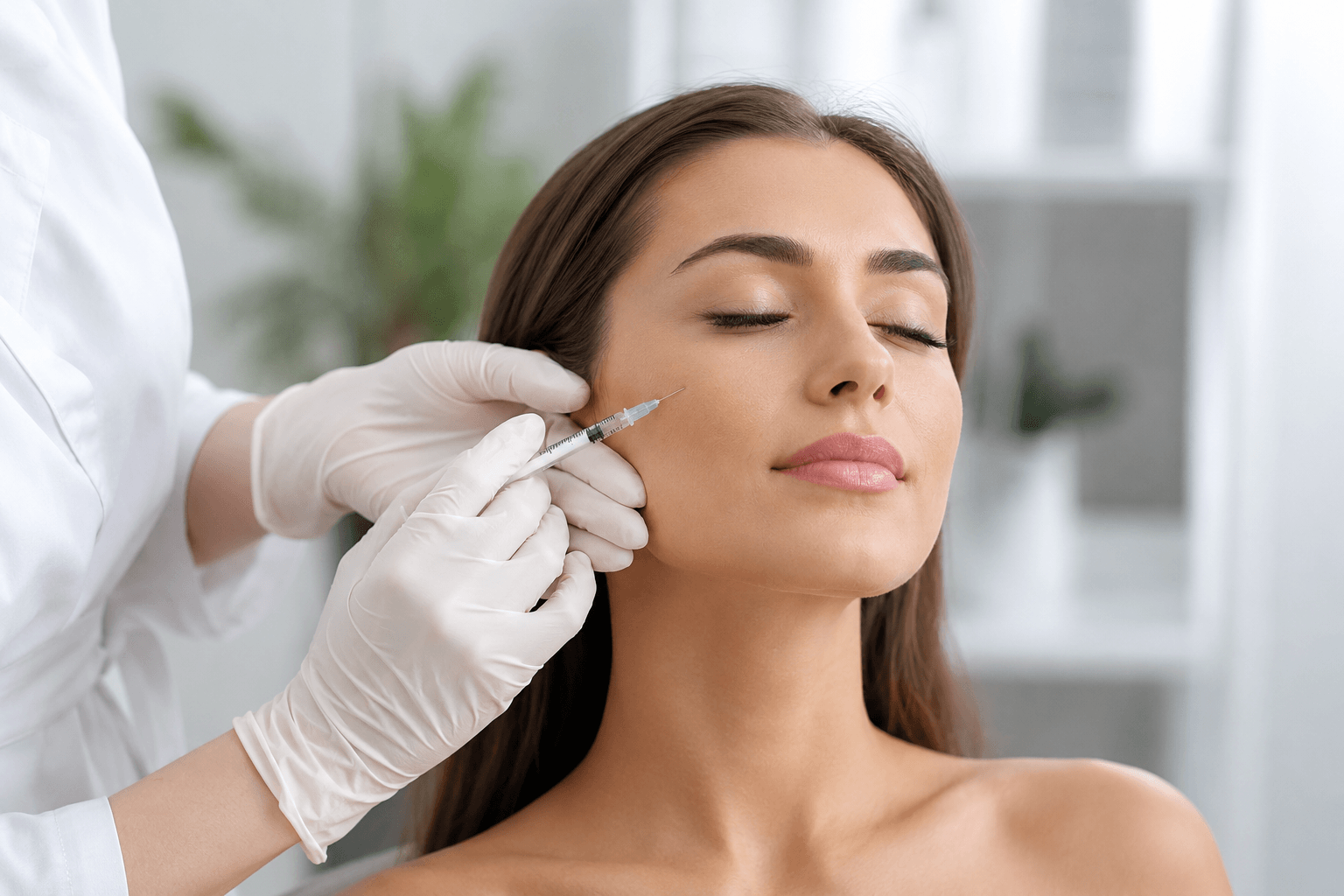
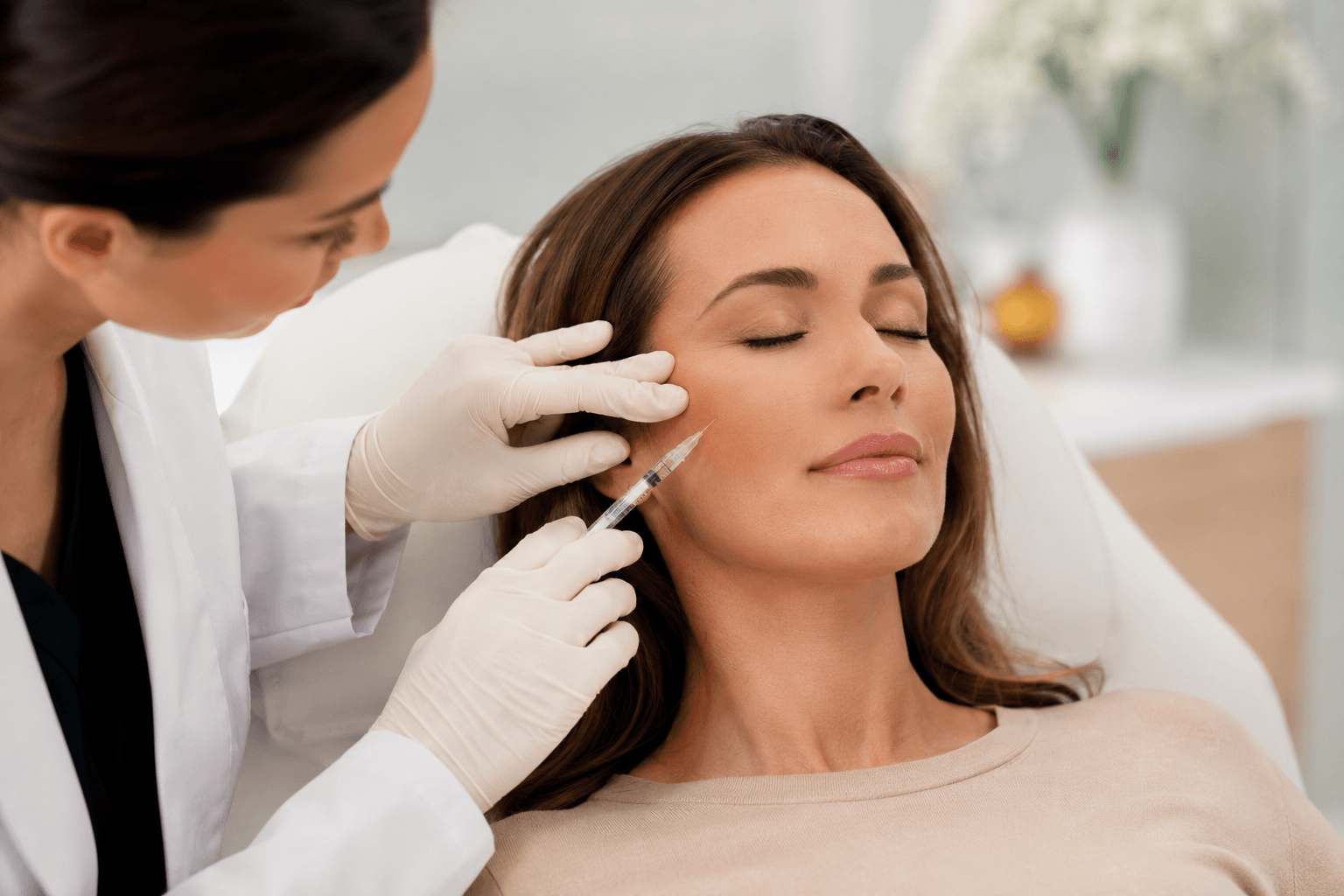
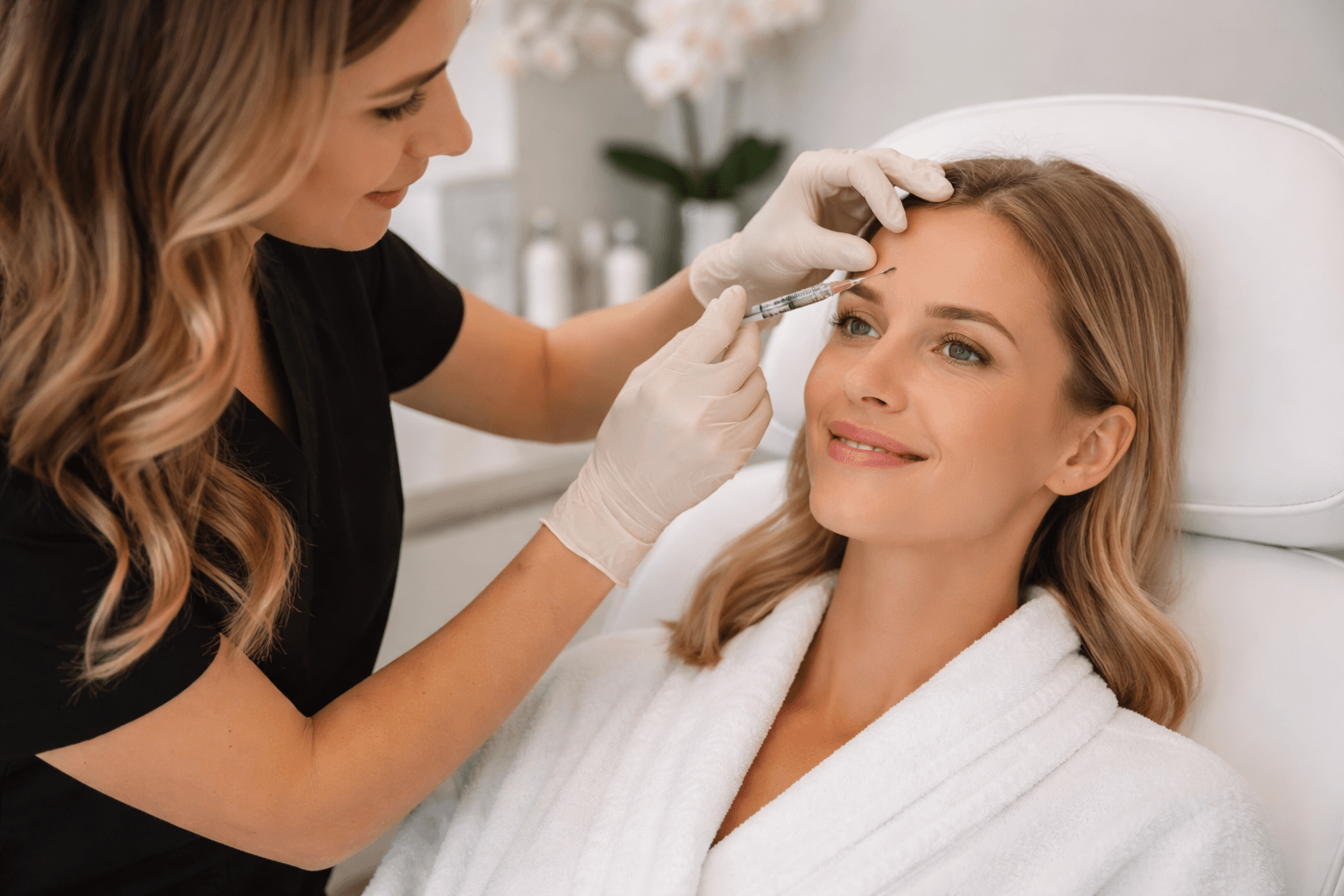
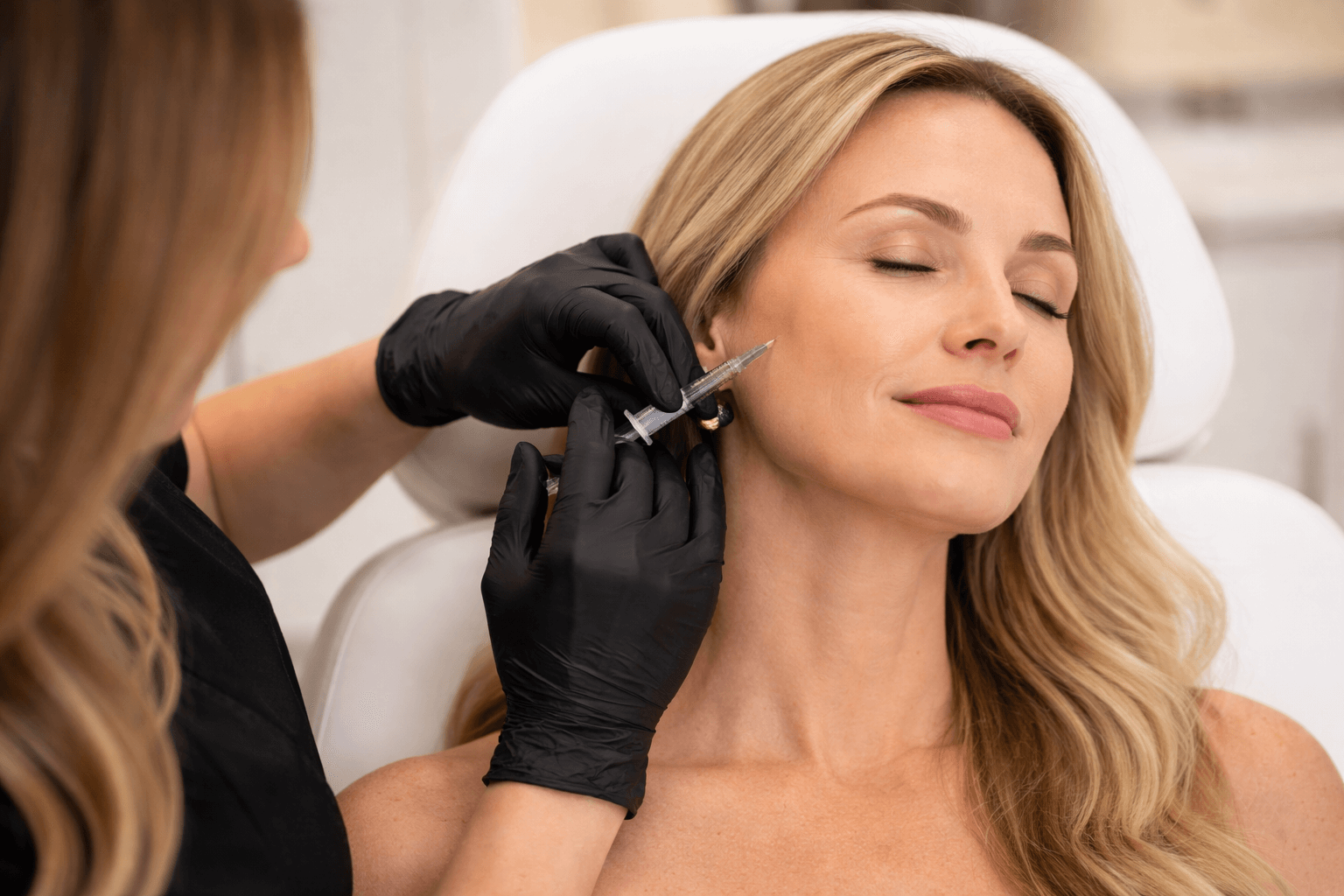
A medspa, short for medical spa, operates under medical supervision and offers treatments that go beyond what a traditional spa is licensed to provide. This typically includes injectables like Botox and dermal fillers, skin tightening treatments like threads, and regenerative treatments designed to address deeper structural concerns, all performed or overseen by qualified medical professionals.
The key distinction is that medspas combine the relaxed, welcoming environment of a traditional spa with treatments that require medical training and oversight, which is not something a standard spa is equipped or licensed to offer.
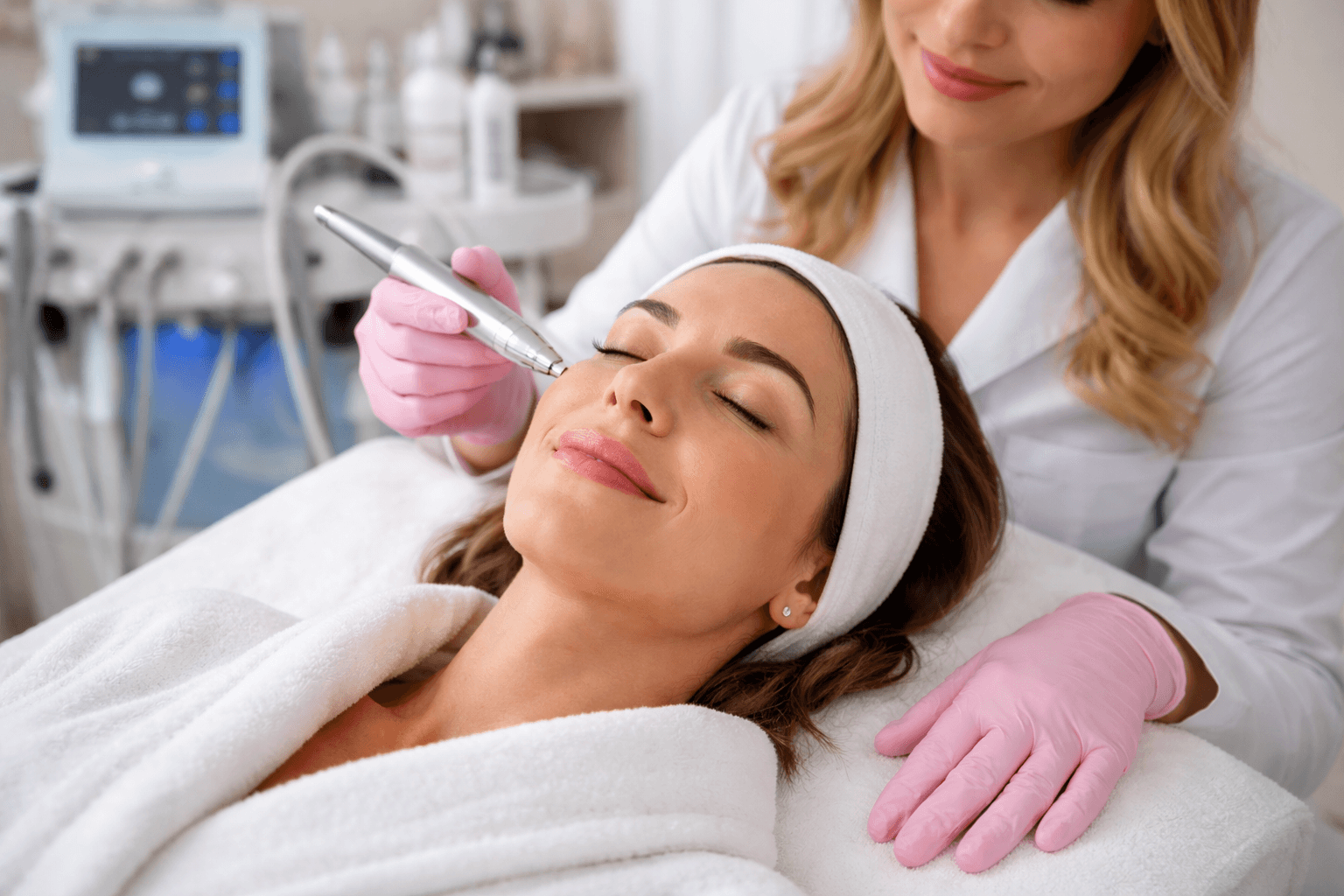
A traditional spa focuses on relaxation and general wellness, offering services like massages, facials, and body treatments that do not require medical supervision. A medspa includes some of these comfort focused elements but adds a layer of clinical treatment on top, things like injectables, which involve needles, prescription grade products, and a level of anatomical knowledge that goes well beyond typical spa training.
If your goal is purely relaxation, a traditional spa may be exactly what you need. If your goal involves changing something specific about how your skin looks or functions, from lines to volume loss to skin laxity, a medspa is generally the appropriate setting.
This is one of the more common points of confusion, and the honest answer is that it depends on what you are trying to address. Dermatologists are medical doctors who diagnose and treat skin conditions, including things like acne, eczema, skin cancer screenings, and other medical concerns. Medspas, on the other hand, typically focus on cosmetic treatments such as Botox, dermal fillers, and skin rejuvenation services aimed at appearance rather than diagnosing an underlying medical condition.
For someone dealing with a persistent skin condition, a dermatologist is the right starting point. For someone interested in reducing the appearance of fine lines, restoring facial volume, or improving overall skin texture and firmness, a medspa is typically the more direct and efficient path. This comparison of medspas versus dermatologists goes into more detail on when each makes sense.
While offerings vary by location, most medspas provide a combination of the following:
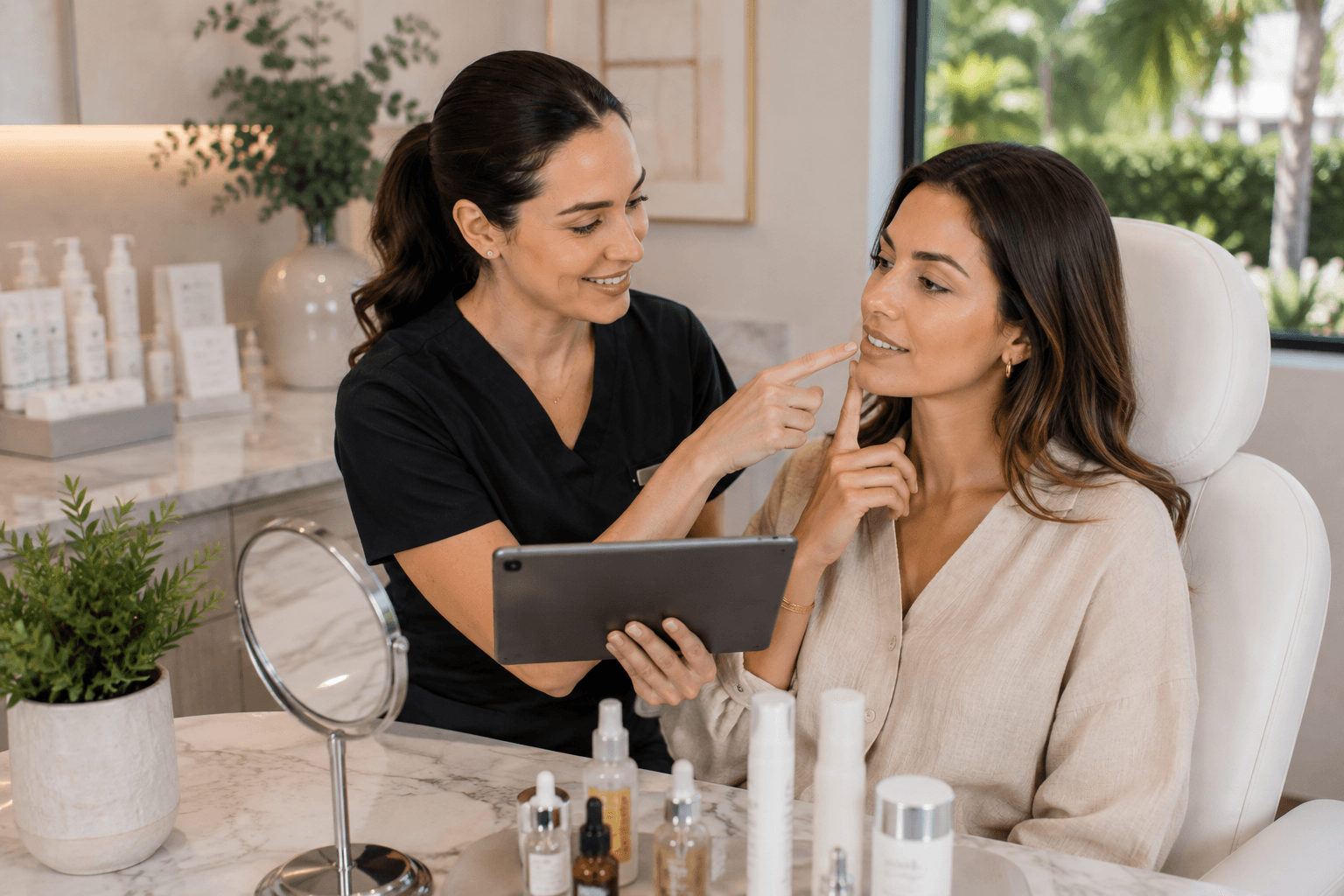
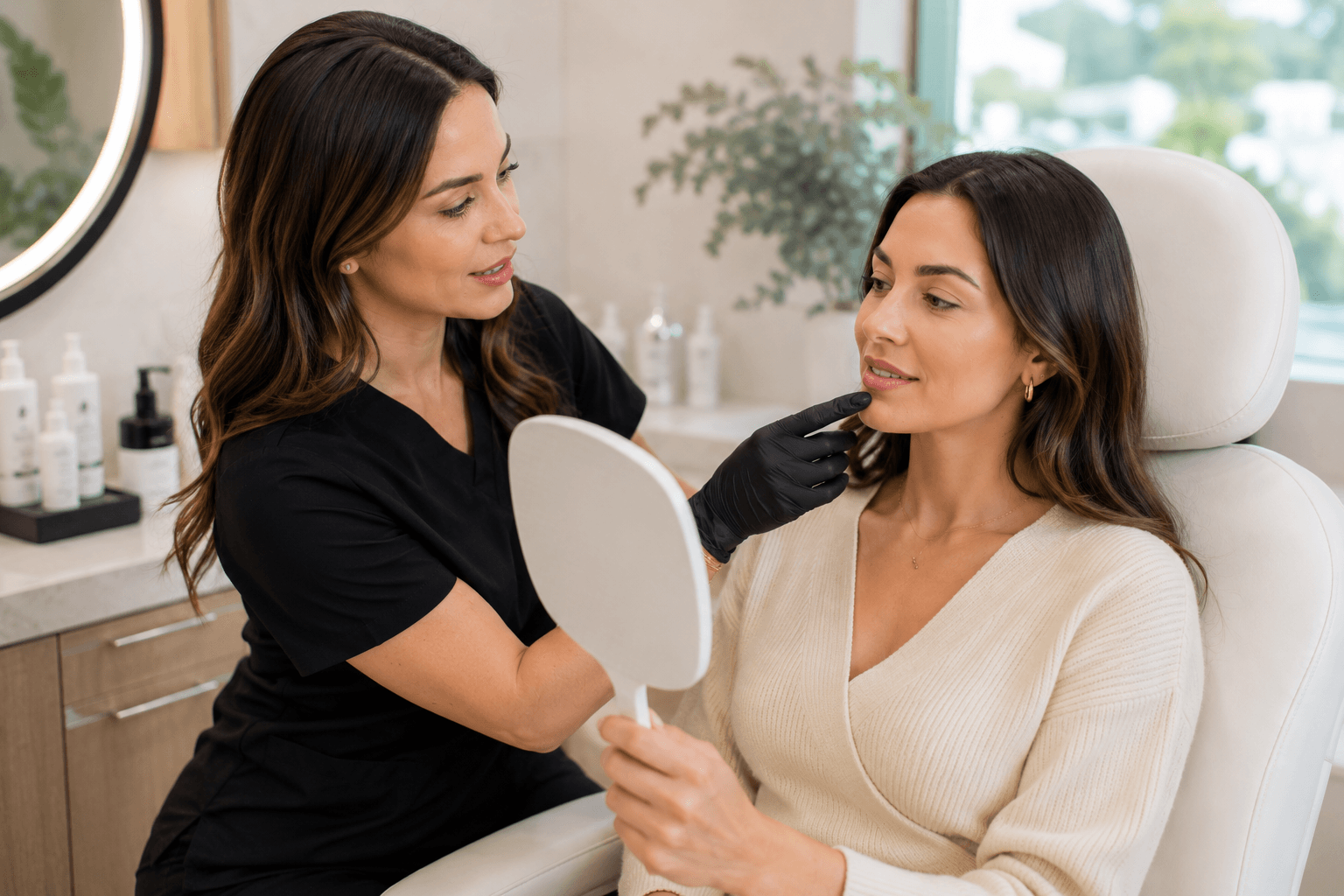
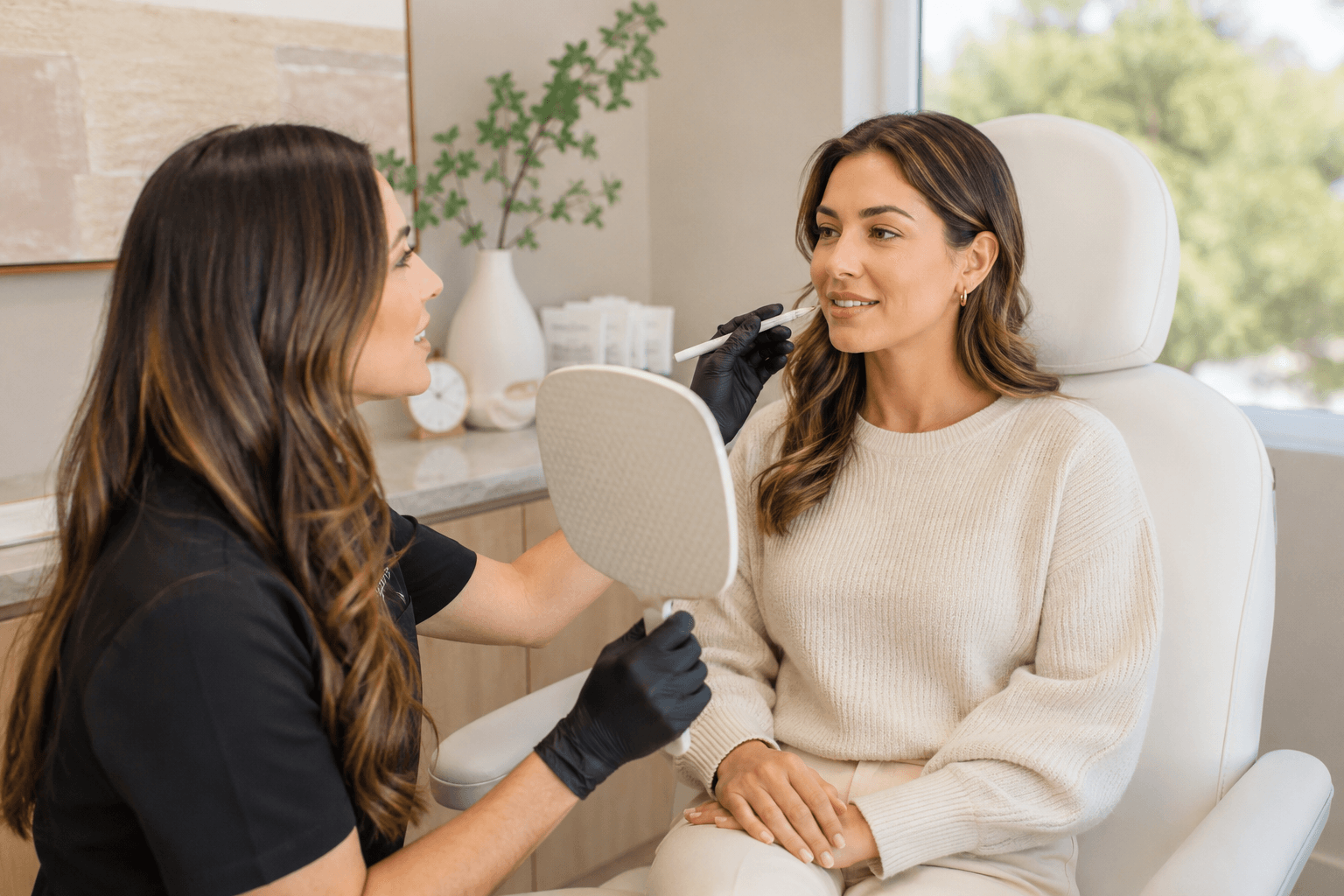
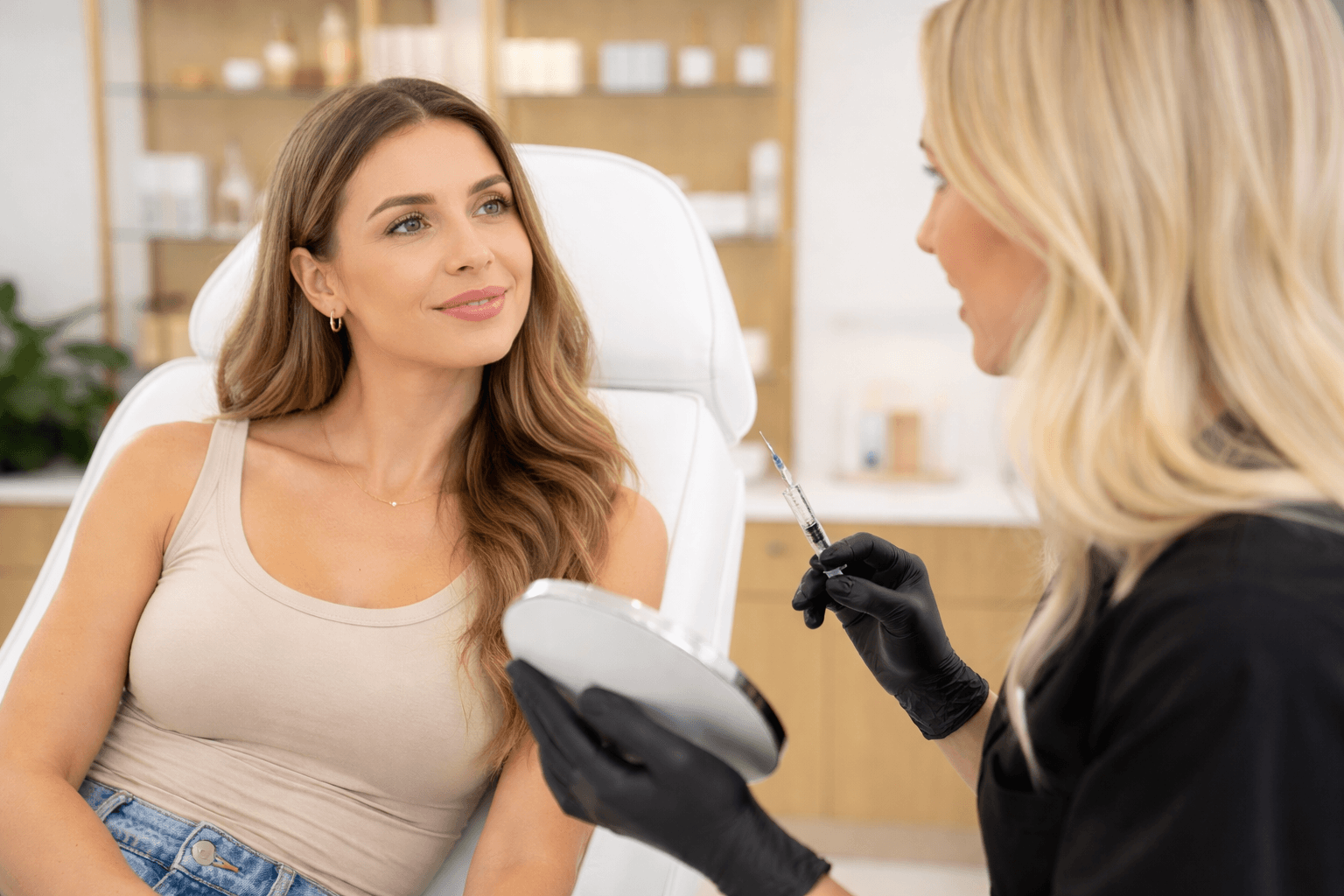
A good medspa will assess your individual goals during a consultation rather than pushing a one size fits all treatment plan, since the right combination of services depends heavily on your specific concerns and how your skin has changed over time.
For people with demanding jobs and little time to spare, one of the biggest practical advantages of a medspa is consolidation. Rather than juggling separate appointments across a dermatologist, a spa for general skin health, and possibly a separate injector for cosmetic treatments, a medspa typically offers most or all of these services under one roof with one provider who understands your full history and goals.
This matters more than it might seem at first. A lot of professionals mention that the hardest part of maintaining any kind of skincare or treatment routine is not the treatments themselves, it is the scheduling logistics of finding time for multiple specialists with different availability, different intake processes, and different locations. Consolidating that into fewer, more efficient visits removes a significant amount of friction, which is often the deciding factor in whether someone actually follows through on a treatment plan consistently.
There is also a trust and continuity factor. When one provider oversees your Botox, filler, and any longer term treatments like Sculptra, they can track how your face responds over time and adjust future treatments accordingly, rather than starting from scratch with a new provider each time. For someone managing a packed schedule, having one relationship to maintain rather than several tends to feel far more manageable, and it usually produces more consistent, cohesive results over time as well.
Convenience aside, there is a genuine efficiency benefit too. Combination appointments, where a provider addresses more than one concern in a single visit, such as treating forehead lines with Botox while also discussing a longer term plan for cheek volume, mean fewer total trips without sacrificing quality of care.
Not all medspas operate the same way, and a few things are worth confirming before booking:
Is a medspa the same as a dermatologist's office? No. A medspa focuses primarily on cosmetic treatments like Botox, fillers, and skin rejuvenation, while a dermatologist diagnoses and treats medical skin conditions. Some concerns may warrant both.
Do I need a referral to visit a medspa? Typically no. Most medspas allow you to book a consultation directly, where a provider will assess your goals and recommend an appropriate treatment plan.
What is the most popular medspa treatment? Botox and dermal fillers remain among the most requested treatments, though interest in regenerative options like Sculptra and non-surgical lifting treatments like threads has grown significantly.
How do I know if a medspa is reputable? Look for medical supervision, transparent consultations, clear pricing, and a provider willing to explain the reasoning behind their recommendations rather than upselling every available service.
Can a medspa treat more than one concern in a single visit? Yes, many medspa visits address multiple concerns in one appointment, which is part of why they appeal to people with limited time for separate specialist visits.
A good medspa is not just a more clinical version of a regular spa, it is a more efficient way to address specific, treatable concerns with the medical oversight those treatments actually require. For anyone trying to fit meaningful skincare and treatment into an already full schedule, that combination of expertise and convenience tends to make all the difference. Learn more about the full range of treatments offered at Smooth Aesthetics in Baton Rouge or schedule a consultation to find out what a personalized plan would look like for you.












.png)
.png)































.png)



.png)


.png)

.png)
.png)
.png)





.png)


