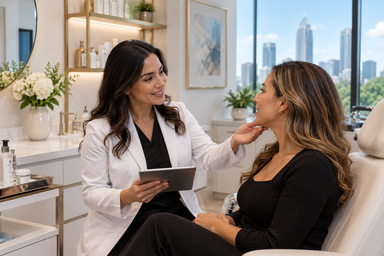
Anyone who has scrolled through cosmetic treatment options in a city the size of Charlotte has probably noticed how many different types of providers seem to offer the exact same services. Botox here, fillers there, a skin rejuvenation package somewhere else, all advertised in nearly identical language. What is much harder to see from the outside is the level of medical training, oversight, and long term planning behind each of those listings, and that difference is exactly what separates a true aesthetic clinic from a treatment counter.
This distinction matters more than it might seem, especially for anyone considering an ongoing relationship with a provider rather than a single, one off treatment.
An aesthetic clinic is a medical practice focused specifically on non surgical cosmetic treatments, typically organized around physician oversight and a structured, ongoing approach to patient care rather than isolated services. Unlike a walk in style provider that treats each visit as a standalone transaction, a well run clinic tends to build a full picture of a patient's facial anatomy, aging pattern, and long term goals over time.
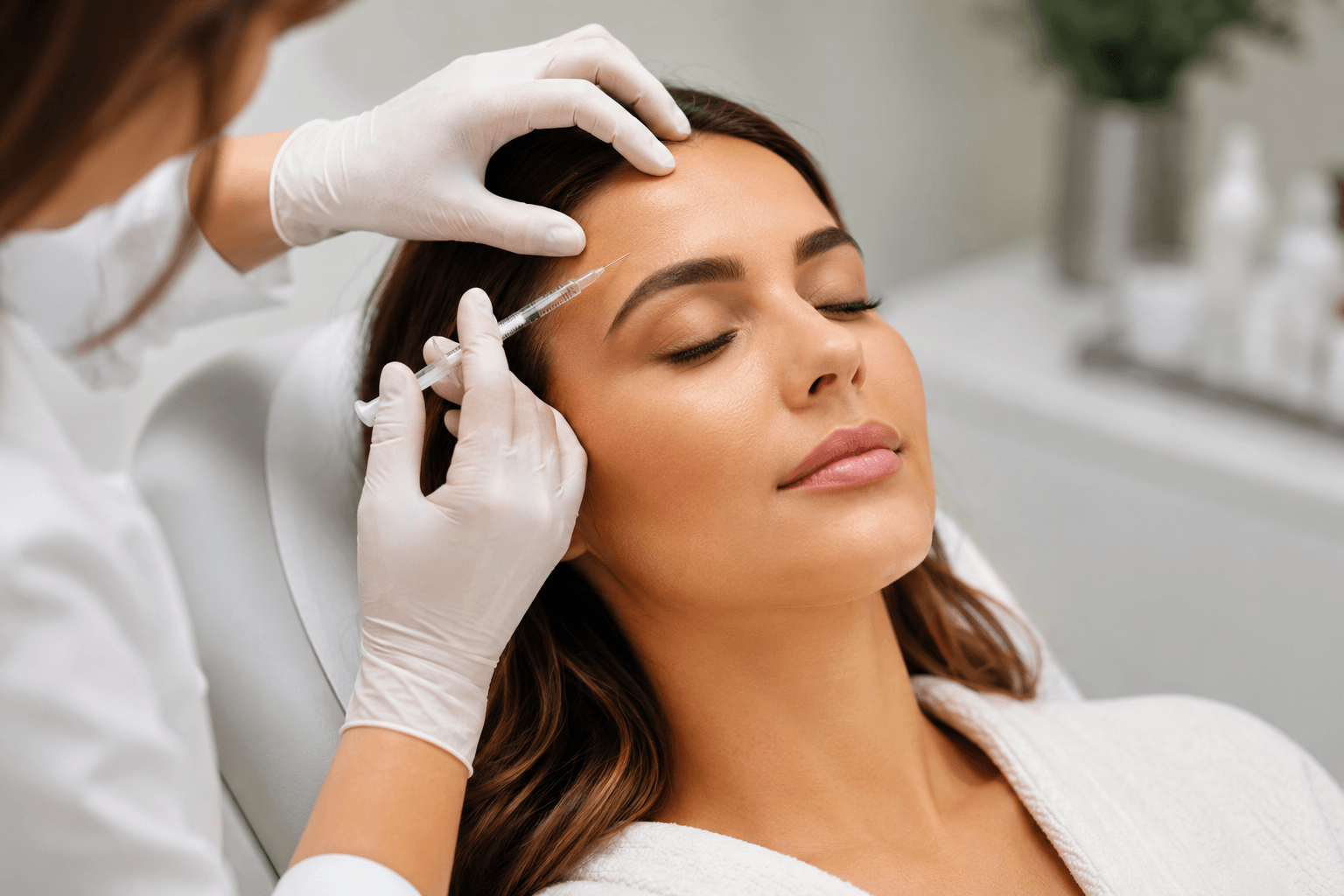
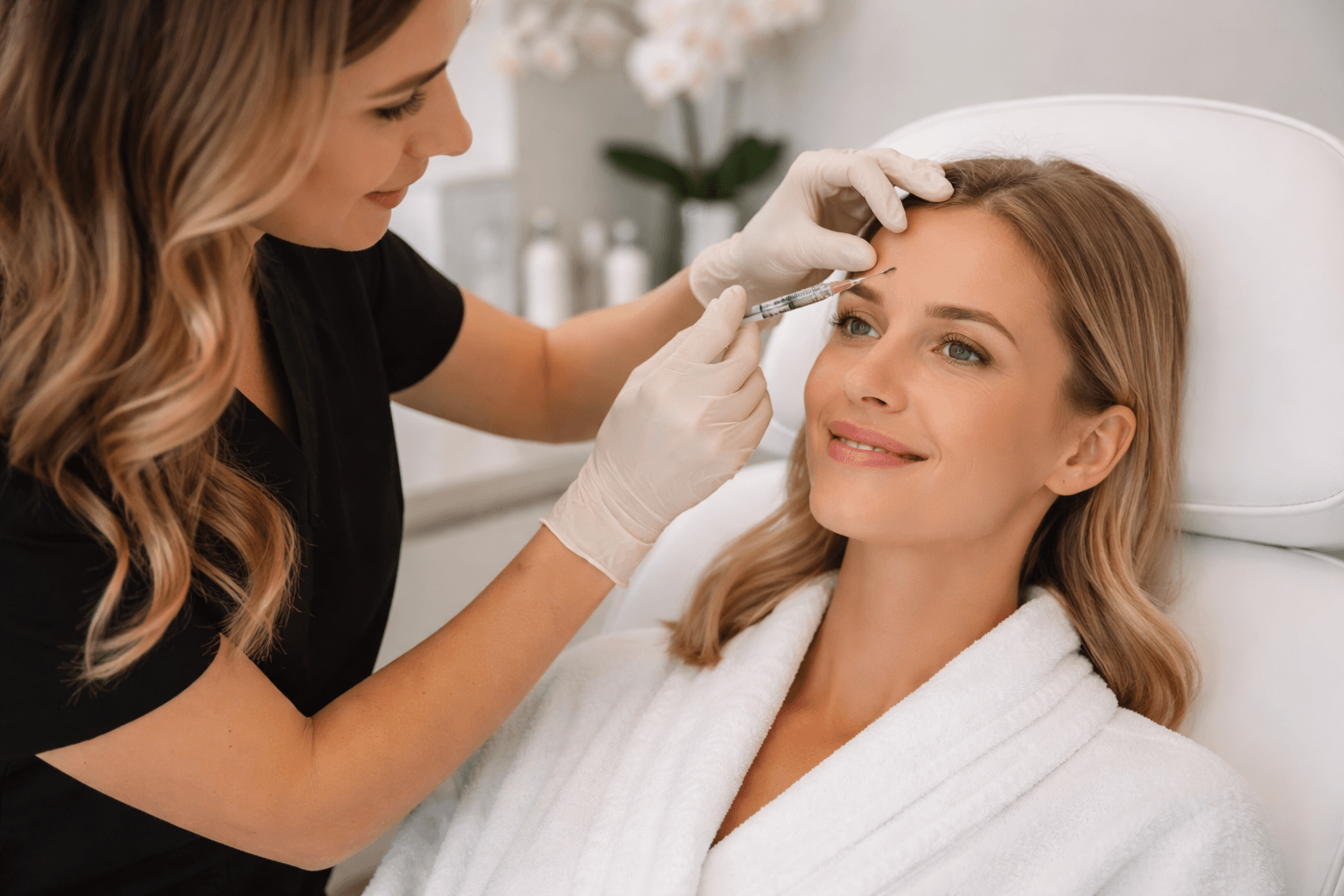
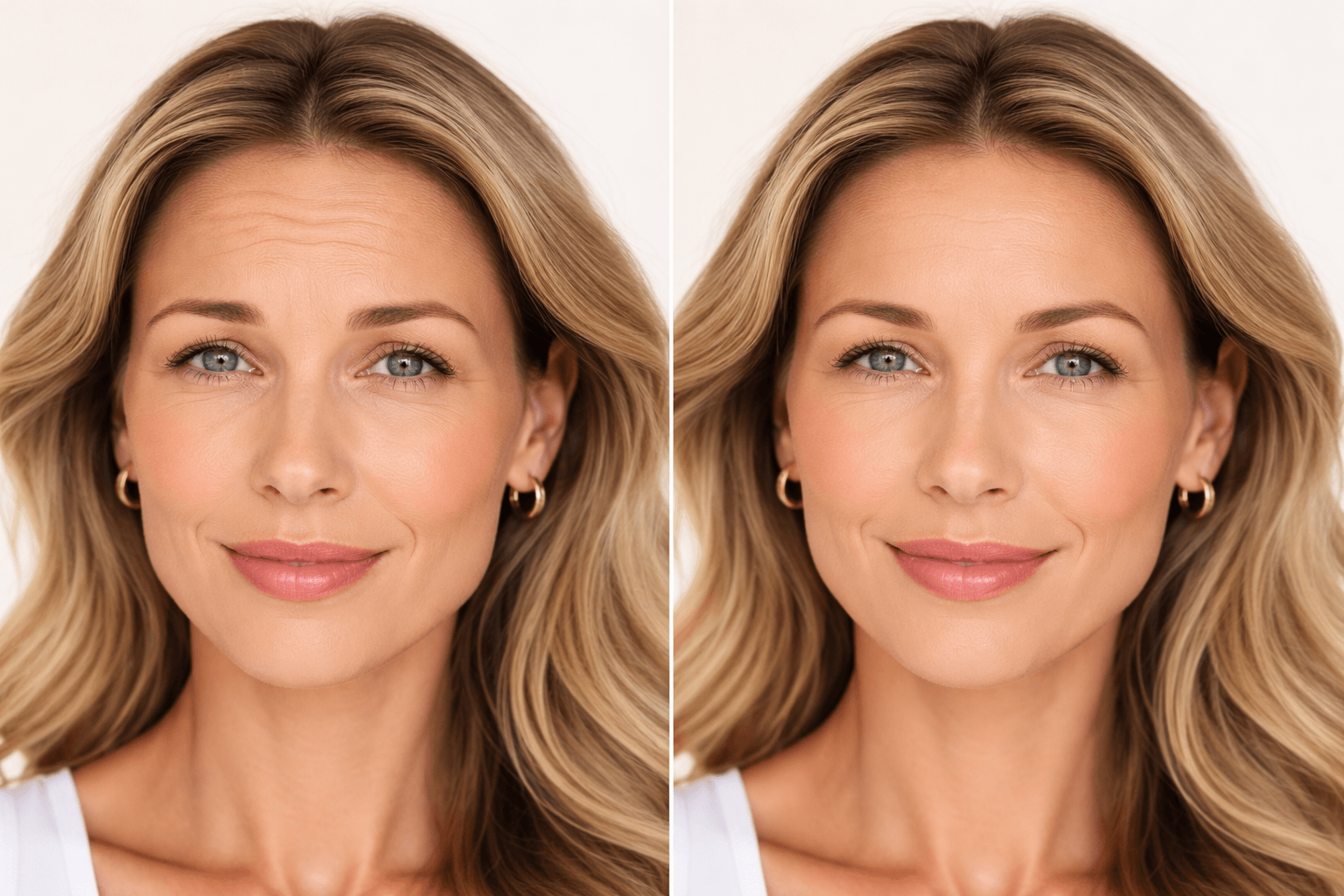
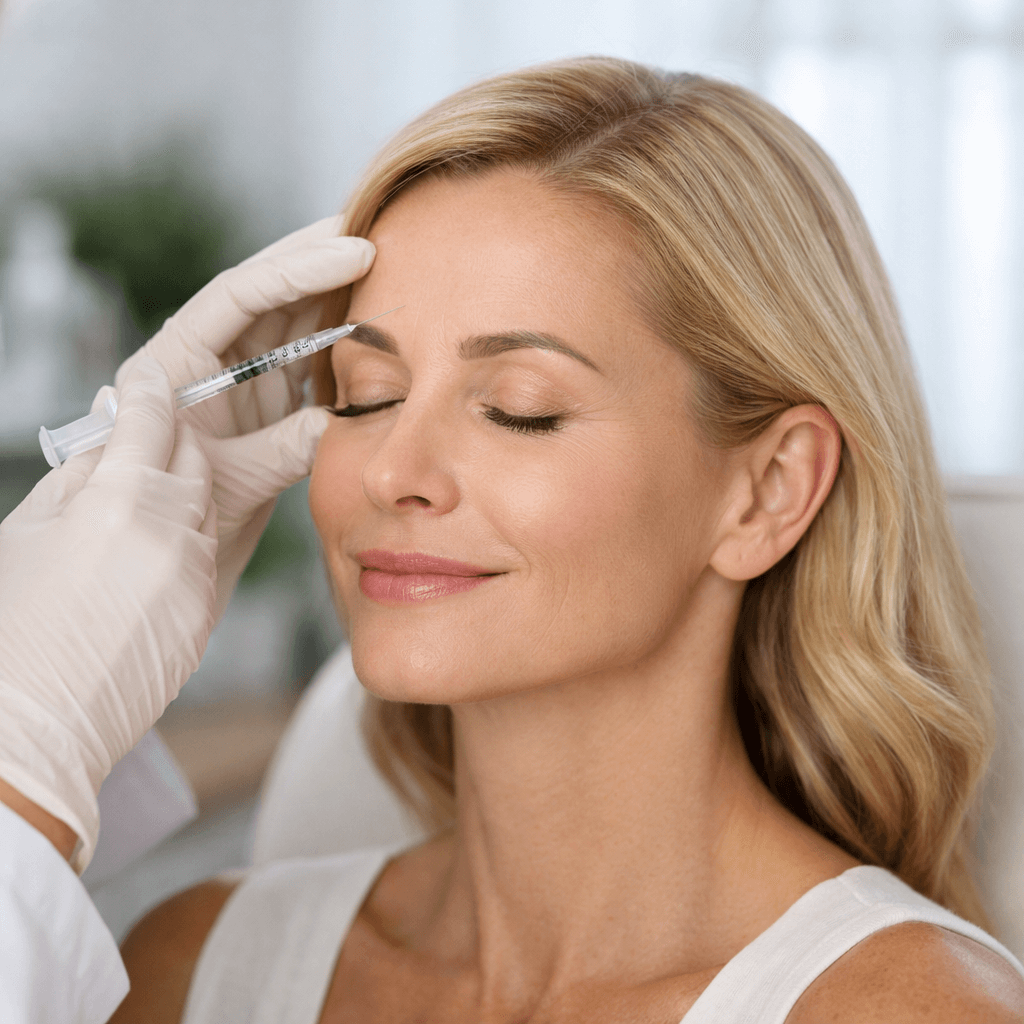
This often means treatment plans are designed to evolve. What starts as a conversation about one concern, like forehead lines, frequently expands into a broader conversation about complementary treatments once a provider understands your full facial structure and how different areas interact with one another.
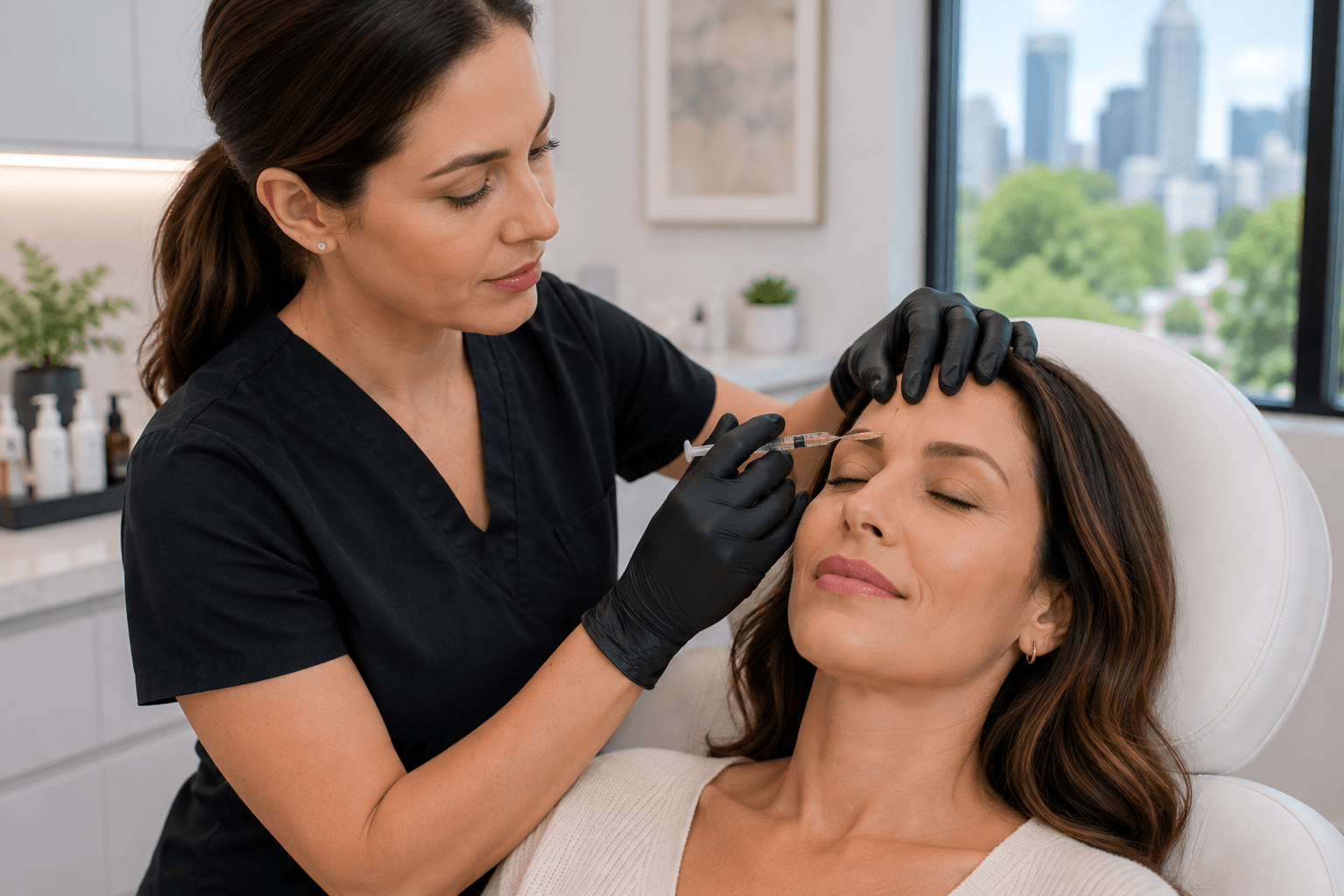
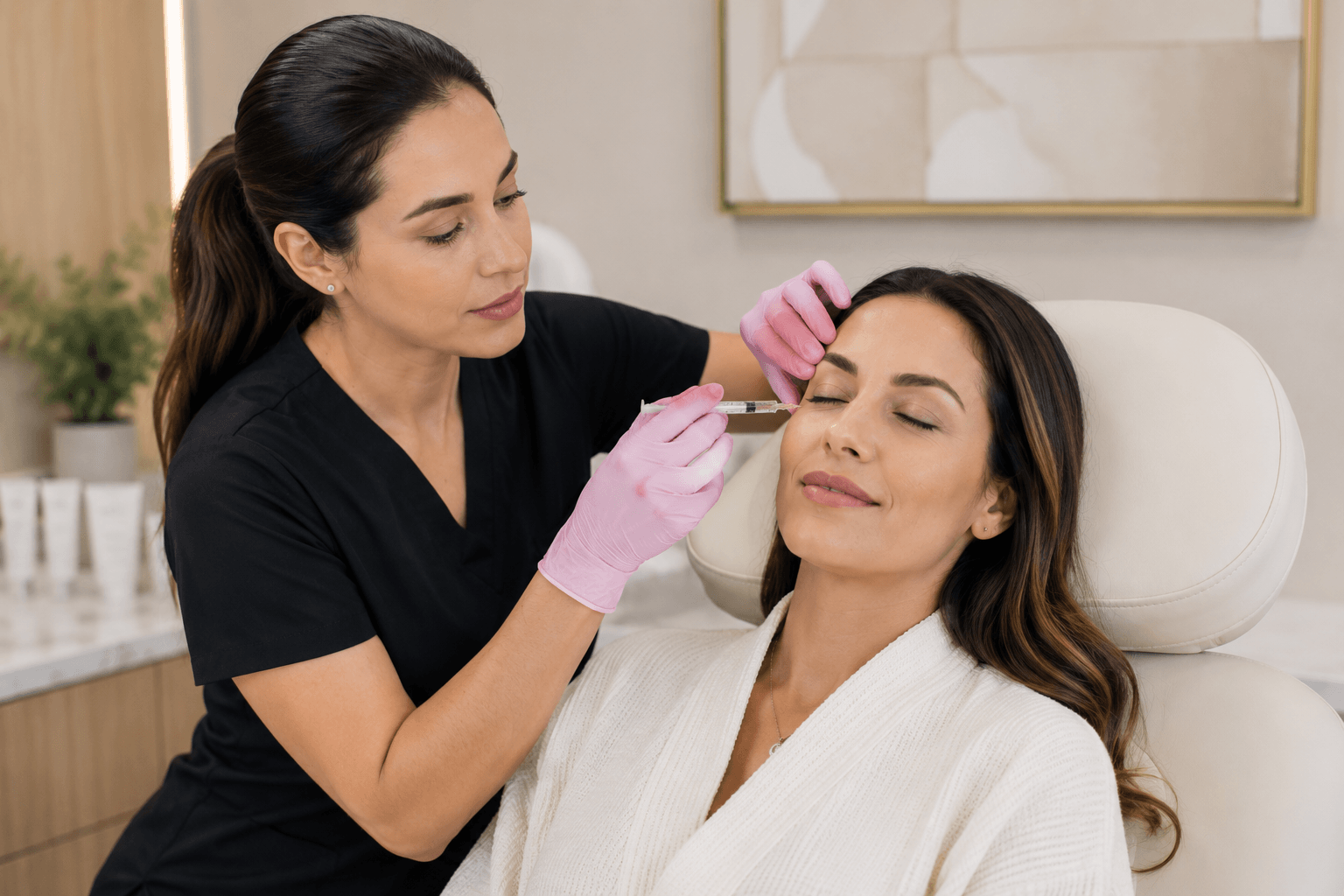
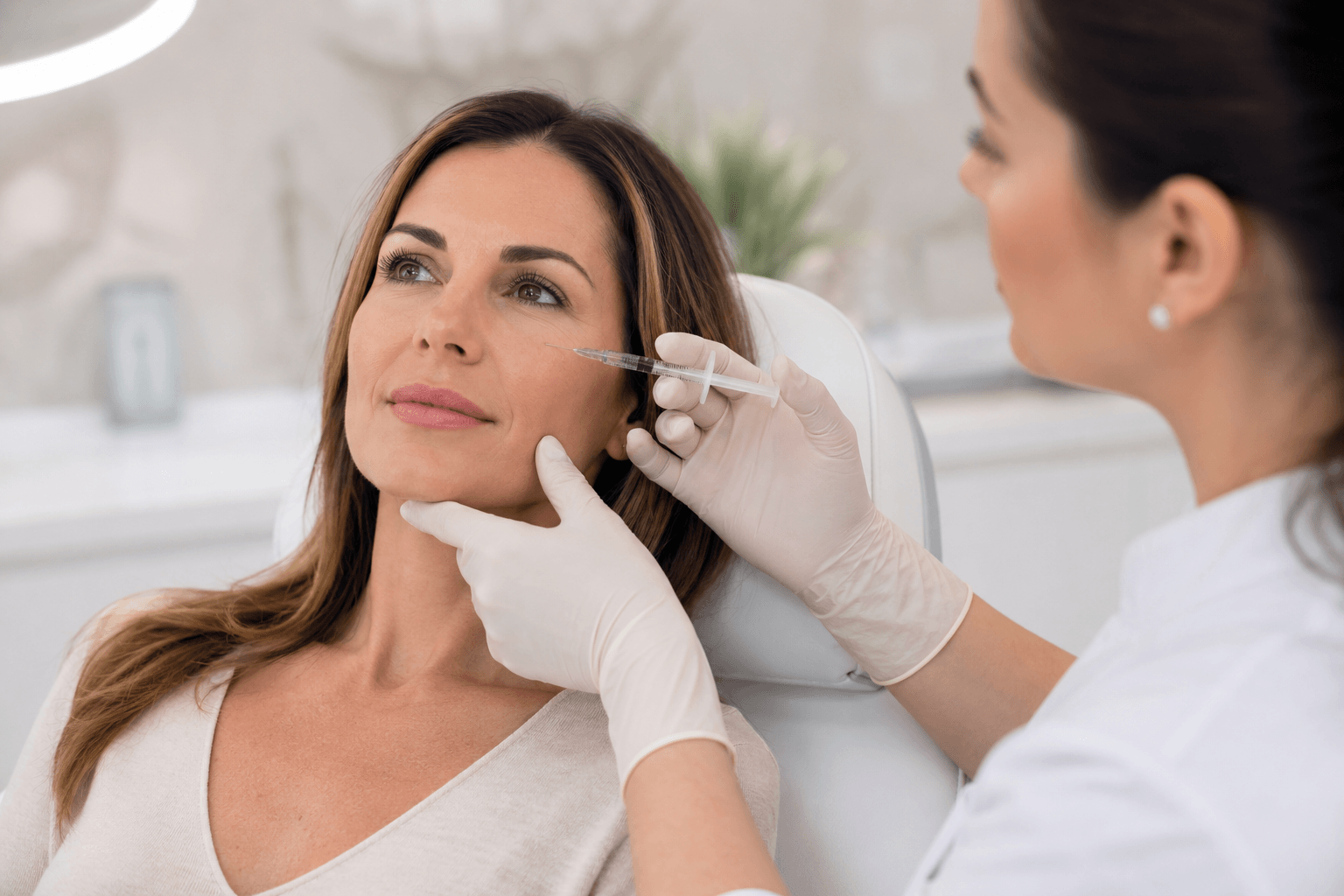
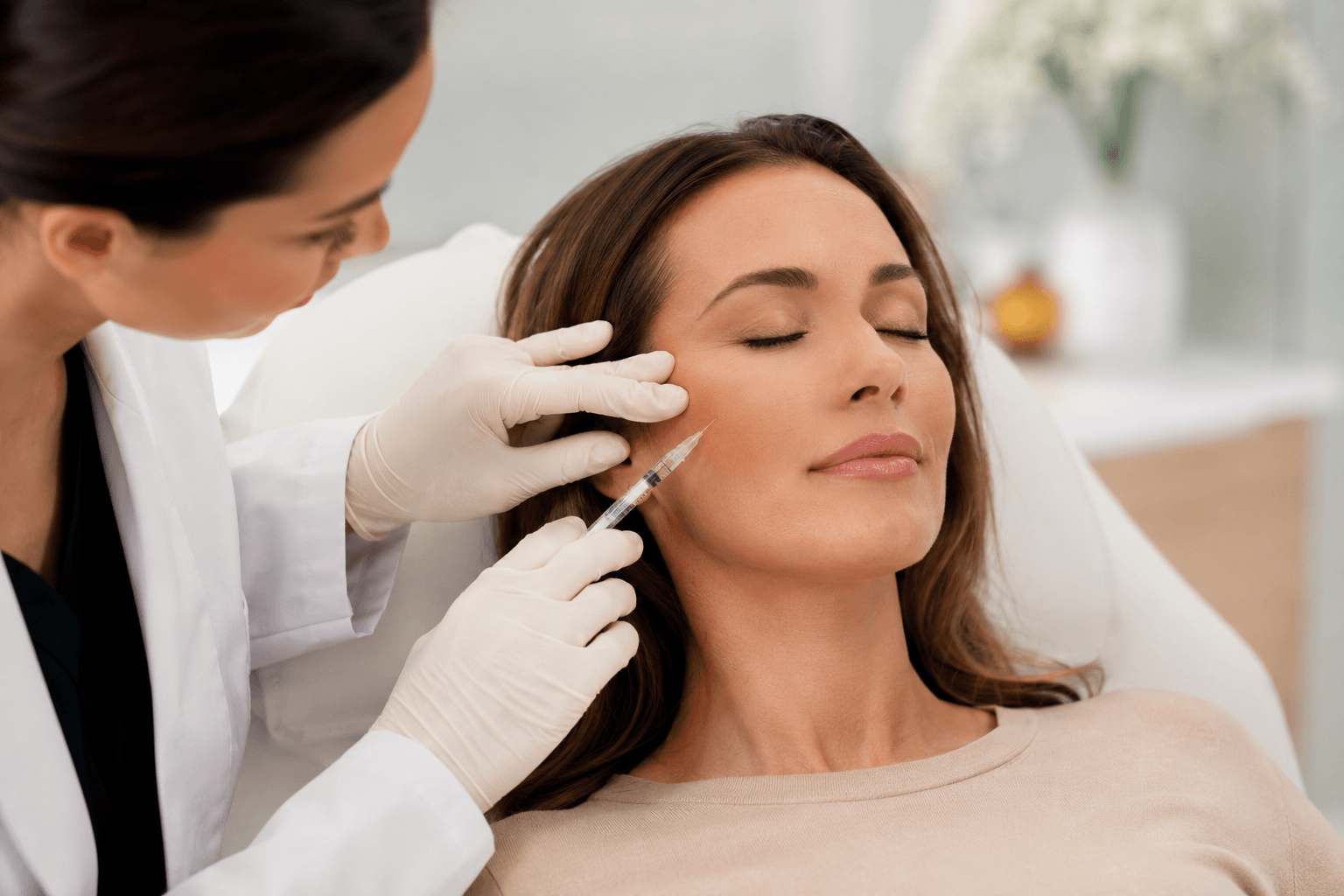
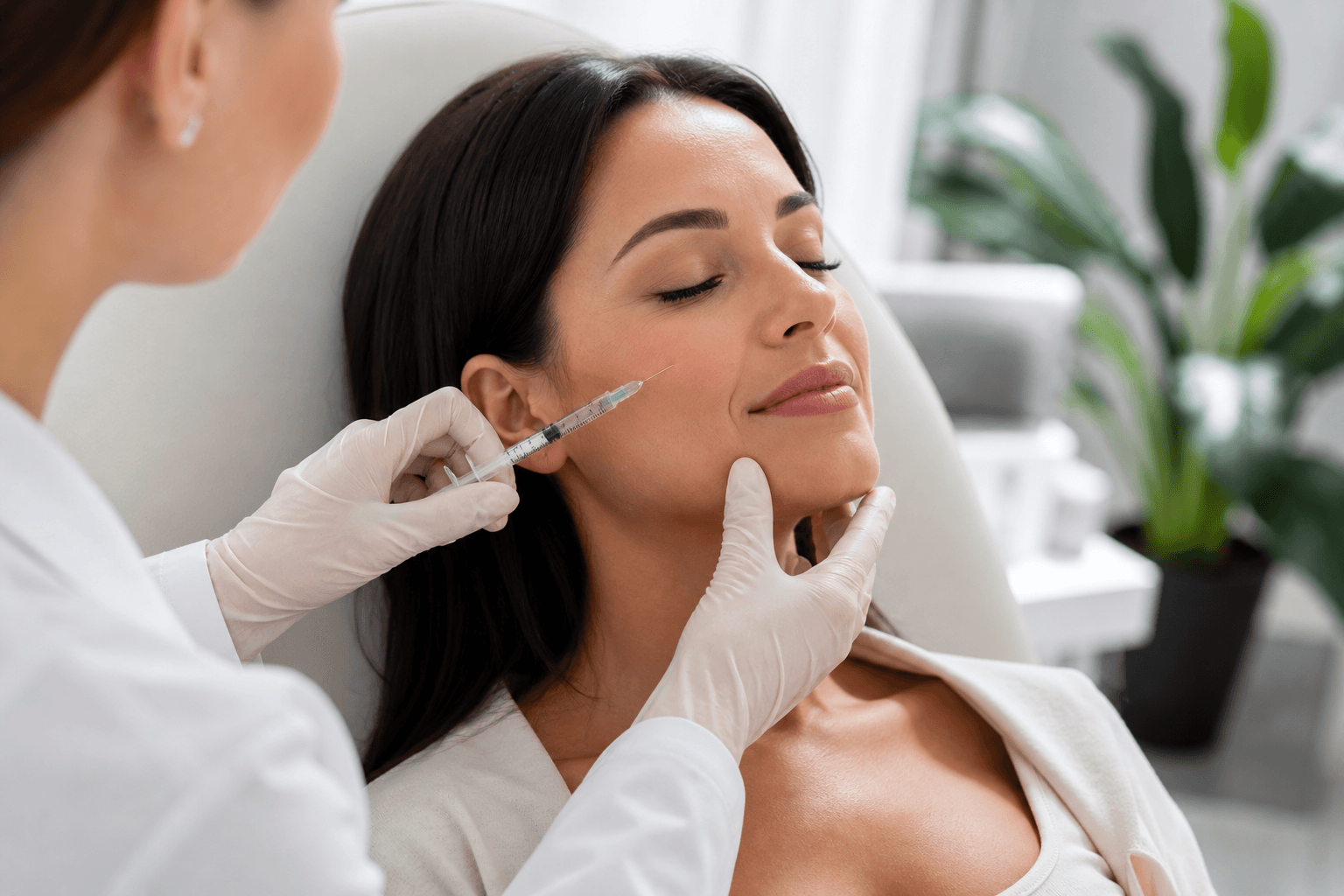
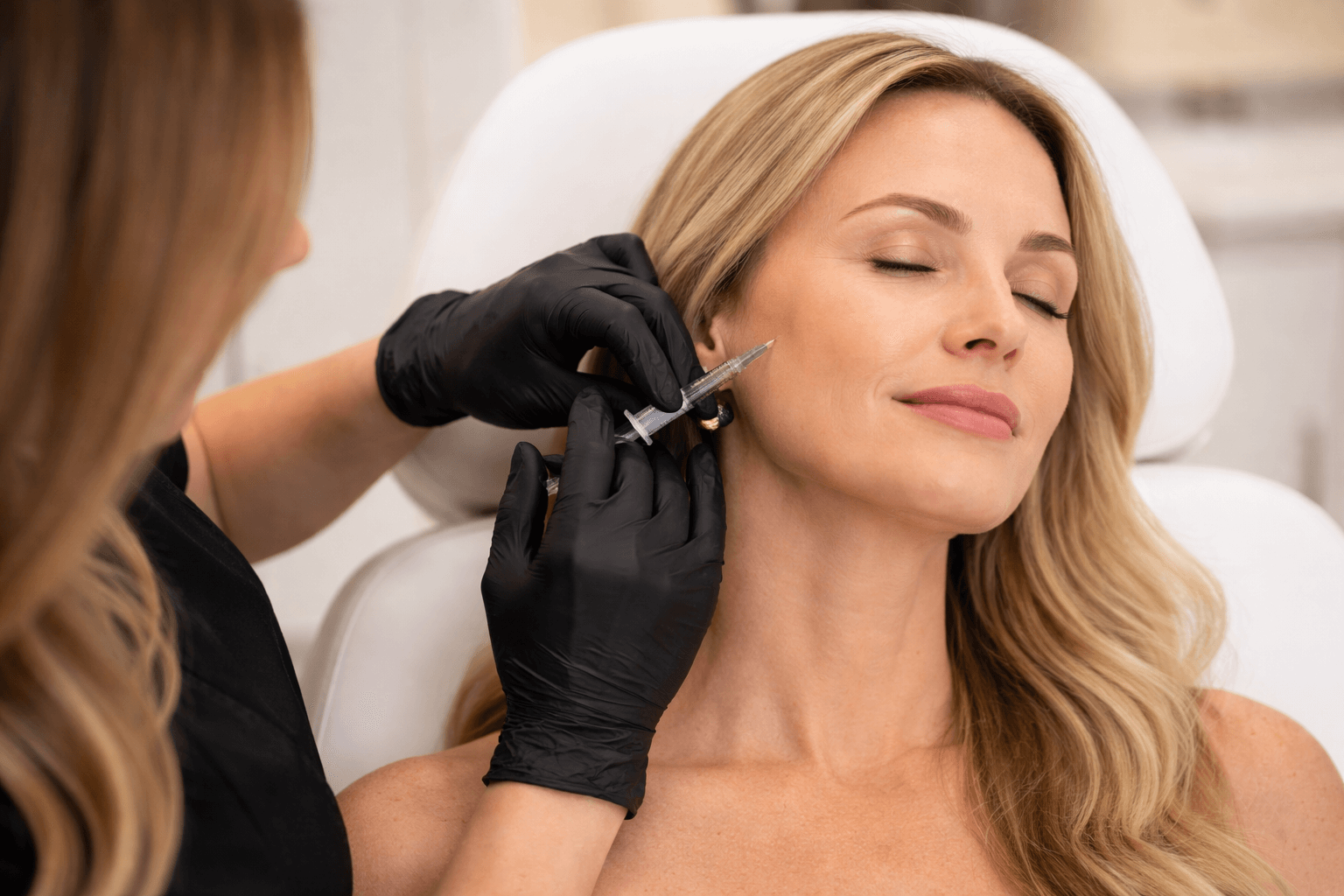
Cosmetic injectables and skin treatments are medical procedures, even though they are often marketed alongside spa style amenities. Facial anatomy is complex, with major nerves and blood vessels running close to the surface in areas commonly treated with Botox and dermal fillers. A physician led approach means treatment protocols, product selection, and complication management are all grounded in clinical training rather than trend driven technique alone.
This does not mean every injection needs to be performed by a physician directly. Many highly skilled nurse practitioners and physician assistants perform these treatments daily. What matters is that the practice as a whole operates under clear medical oversight, with protocols in place for the full range of outcomes, not just the routine ones.
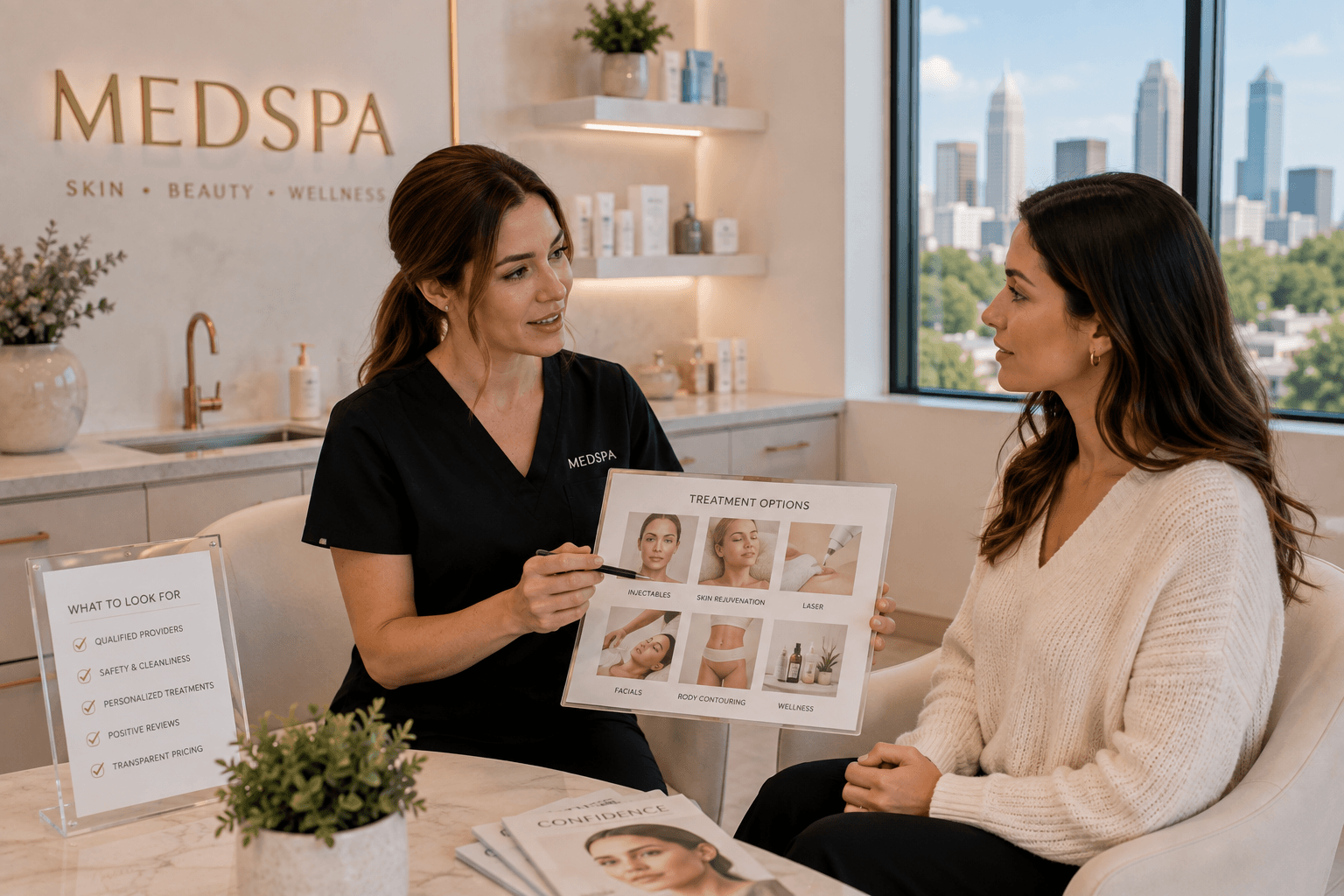
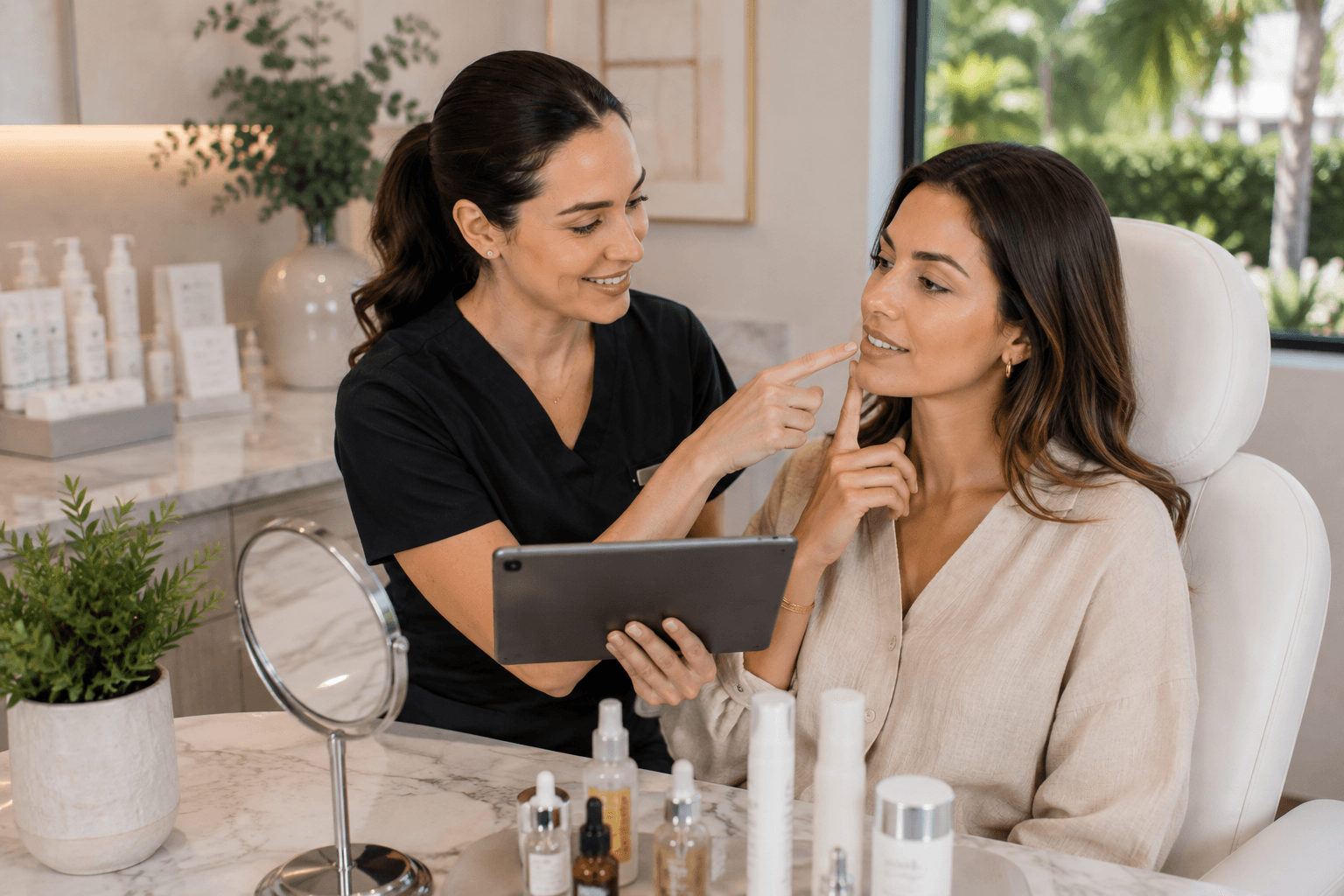
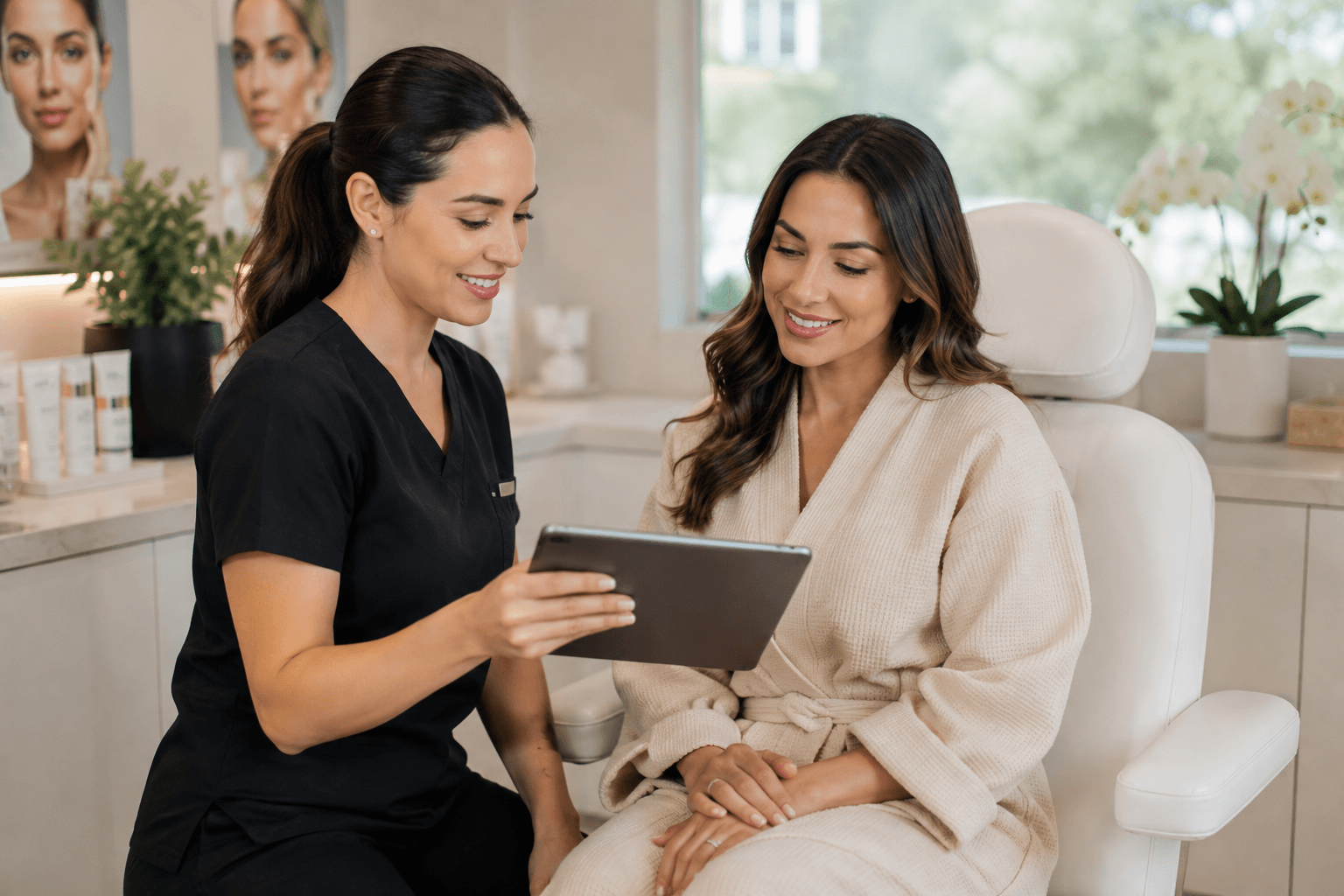
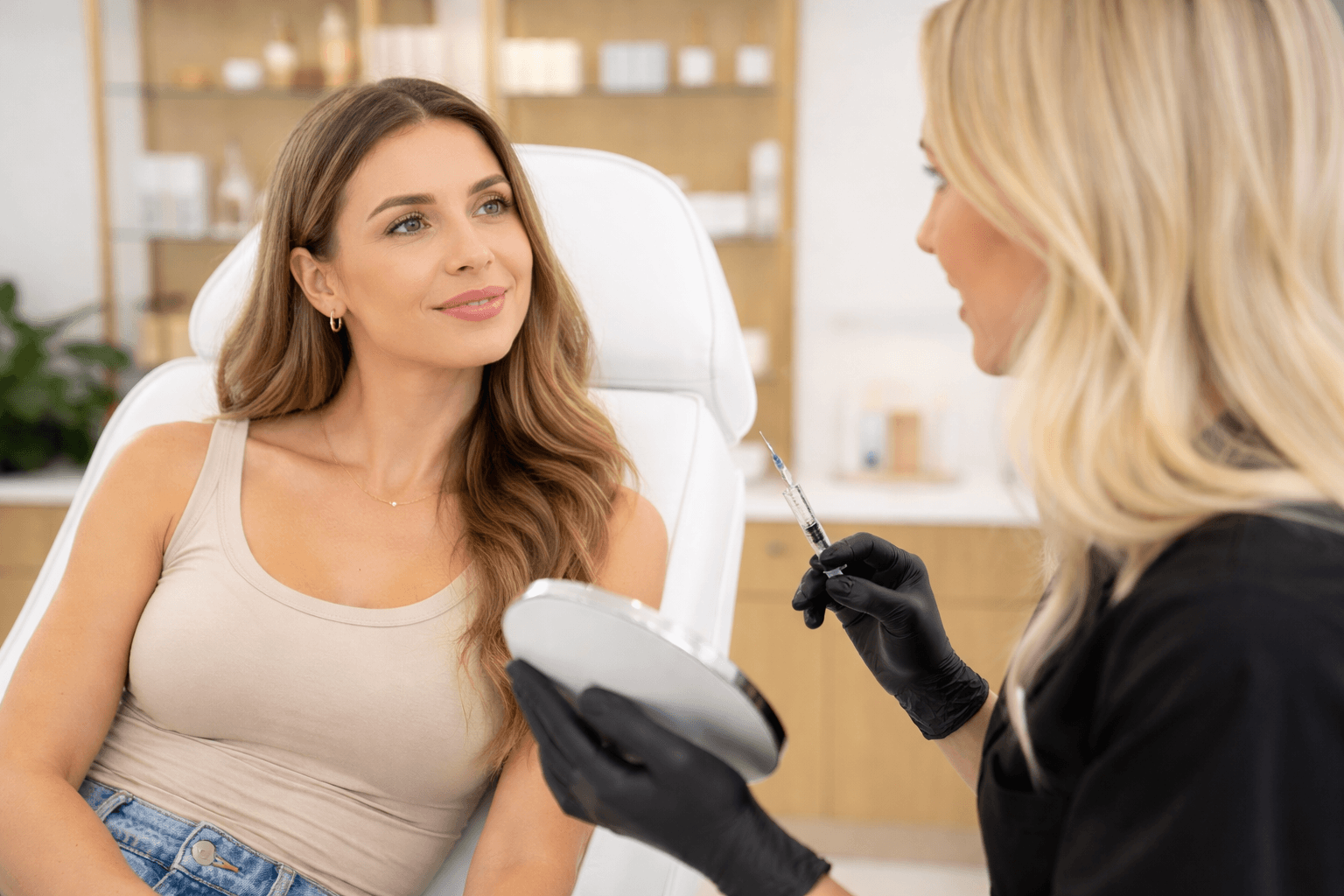
Rather than jumping straight into treatment, a proper consultation reviews your medical history, current medications, previous cosmetic treatments, and specific goals. This groundwork affects everything from which filler is chosen to how conservatively a first treatment is dosed.
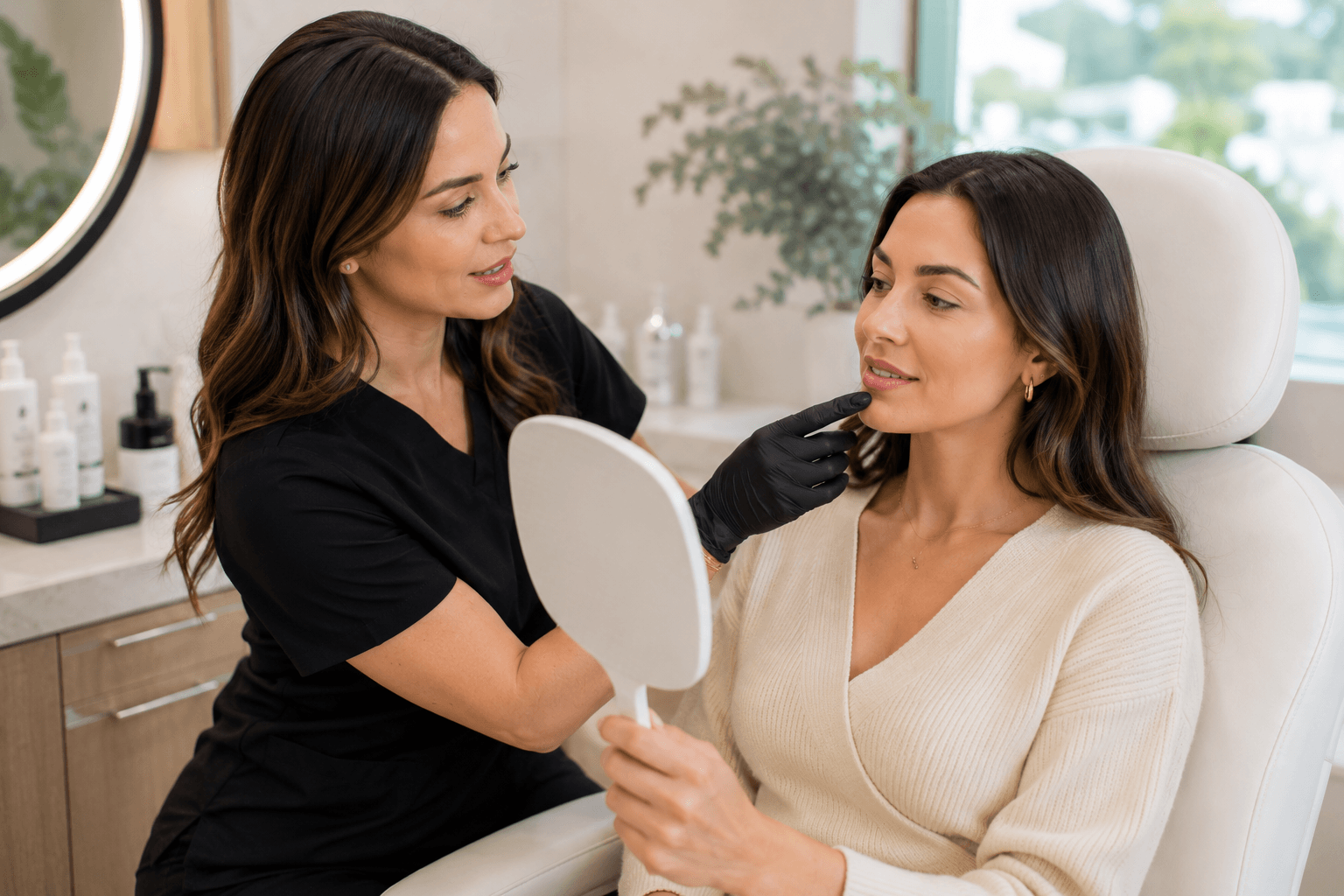
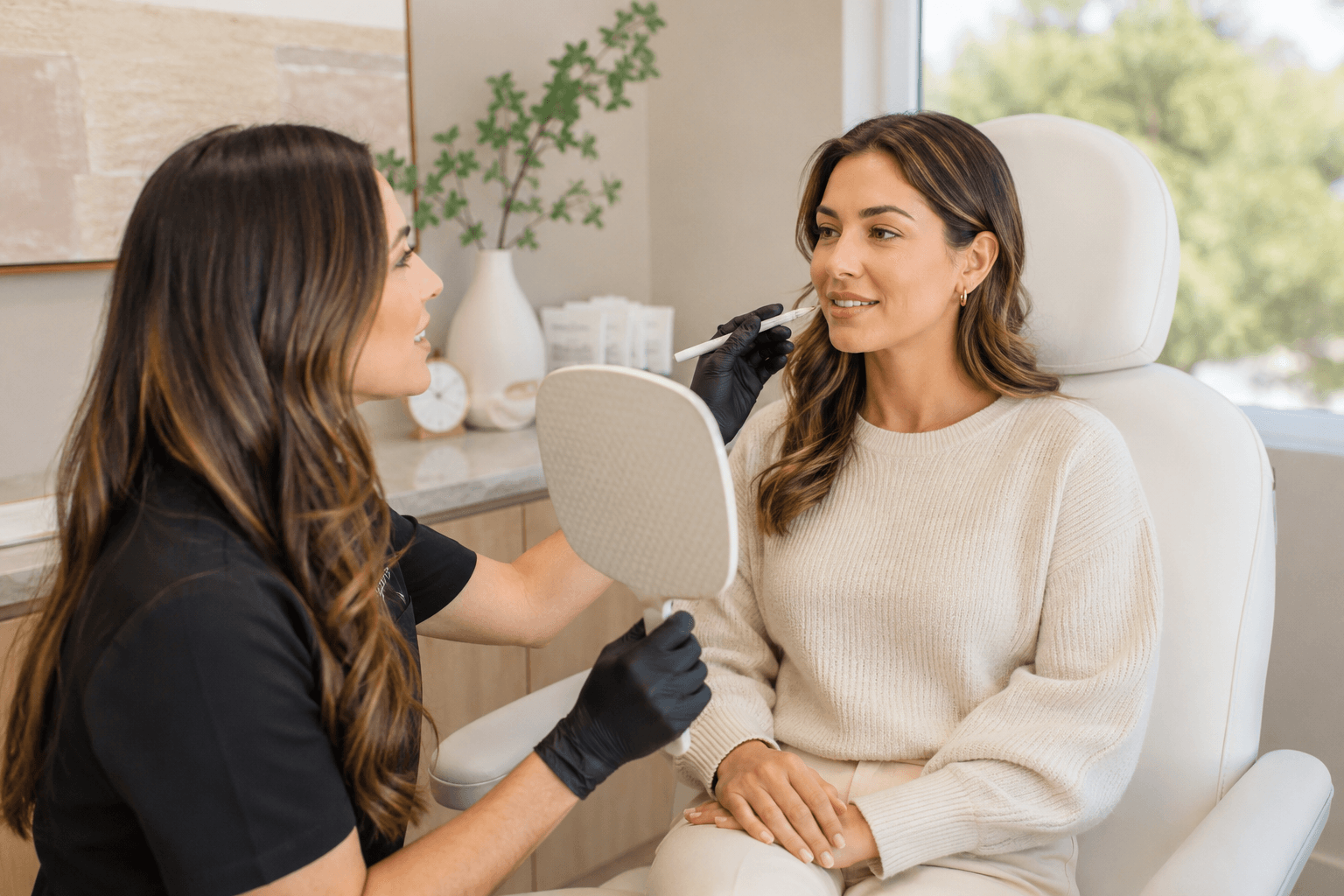
No two faces age the same way, even among people the same age. A thorough assessment looks at bone structure, skin quality, muscle strength, and volume distribution before recommending a specific treatment plan, rather than defaulting to a standard package.
Isolated treatments can sometimes create imbalance if the rest of the face is not considered. For example, treating only forehead lines without addressing volume loss in the cheeks can occasionally draw more attention to other areas of aging rather than creating a cohesive, refreshed appearance.
Because aging is a continuous process, a clinic focused approach typically involves follow up appointments, progress tracking, and adjustments to your plan as your skin and facial structure change over months and years, not just a single transaction.
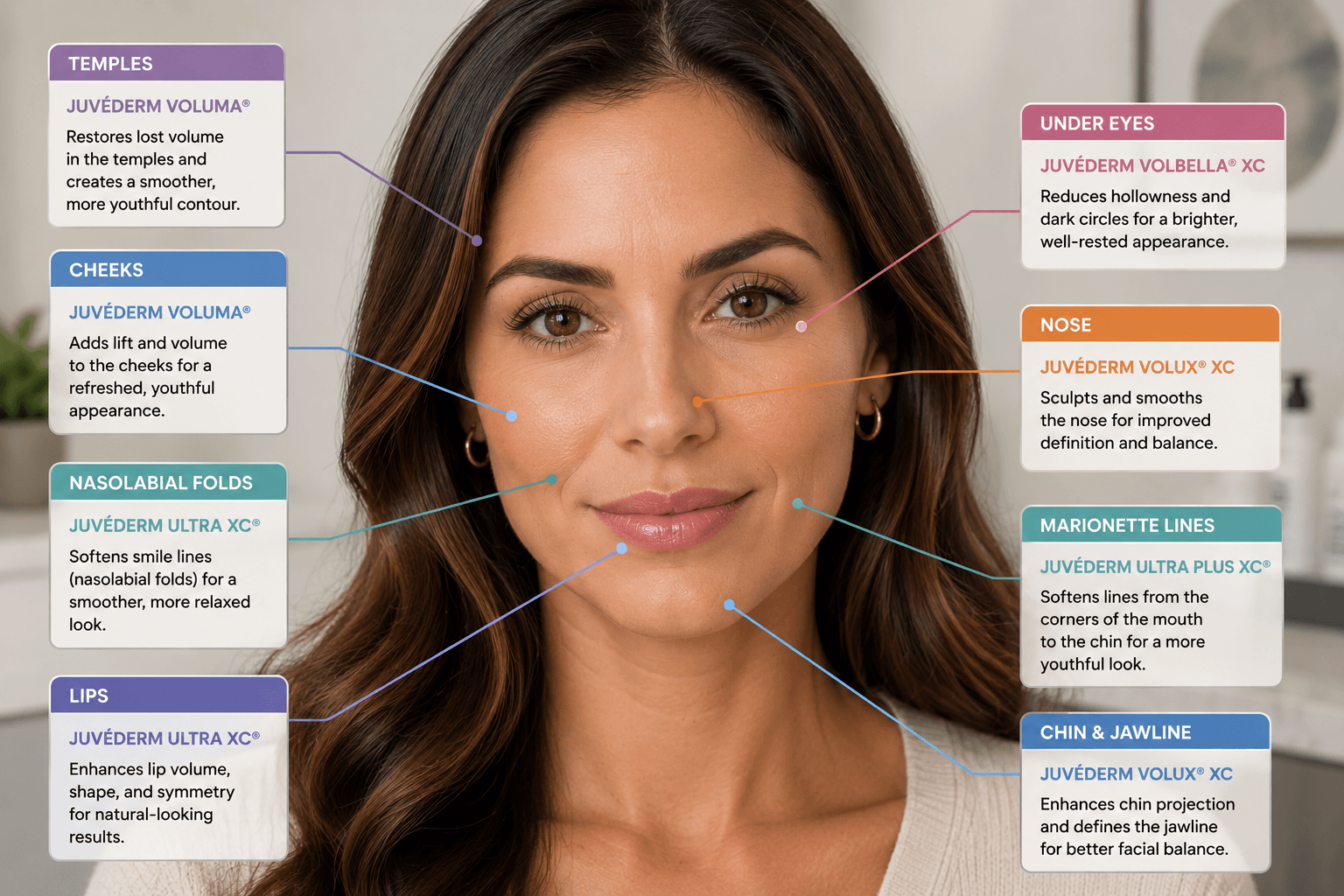
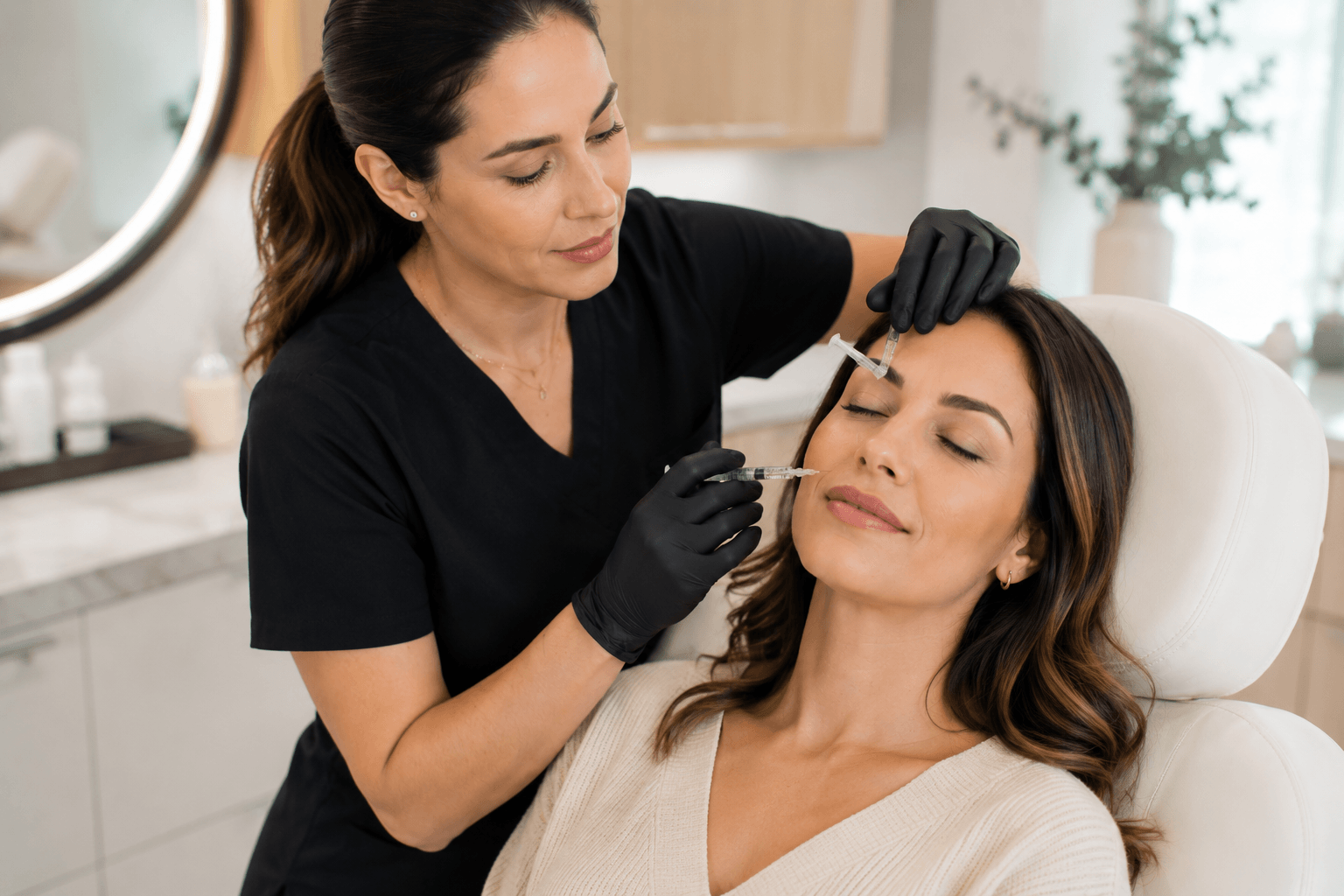
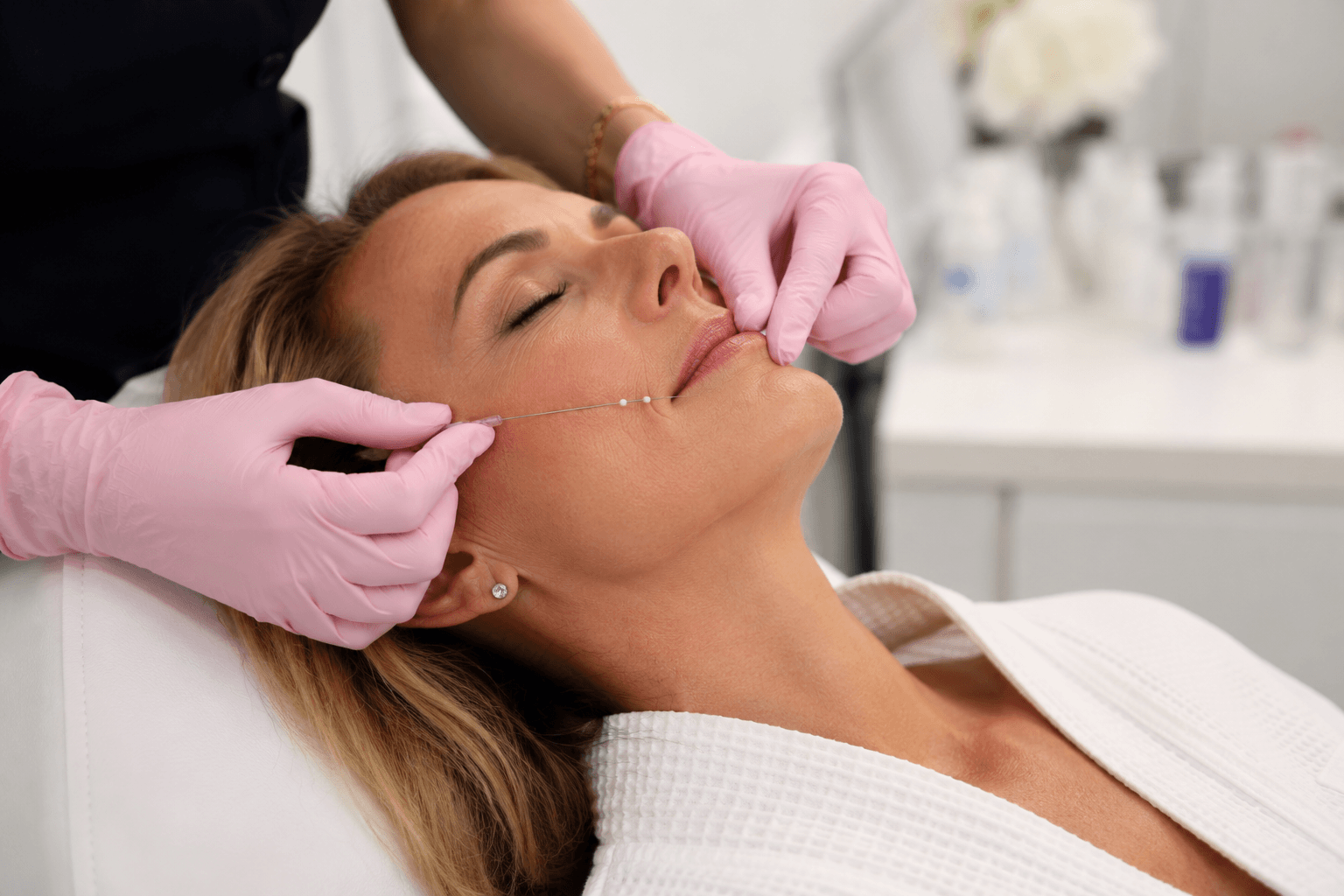
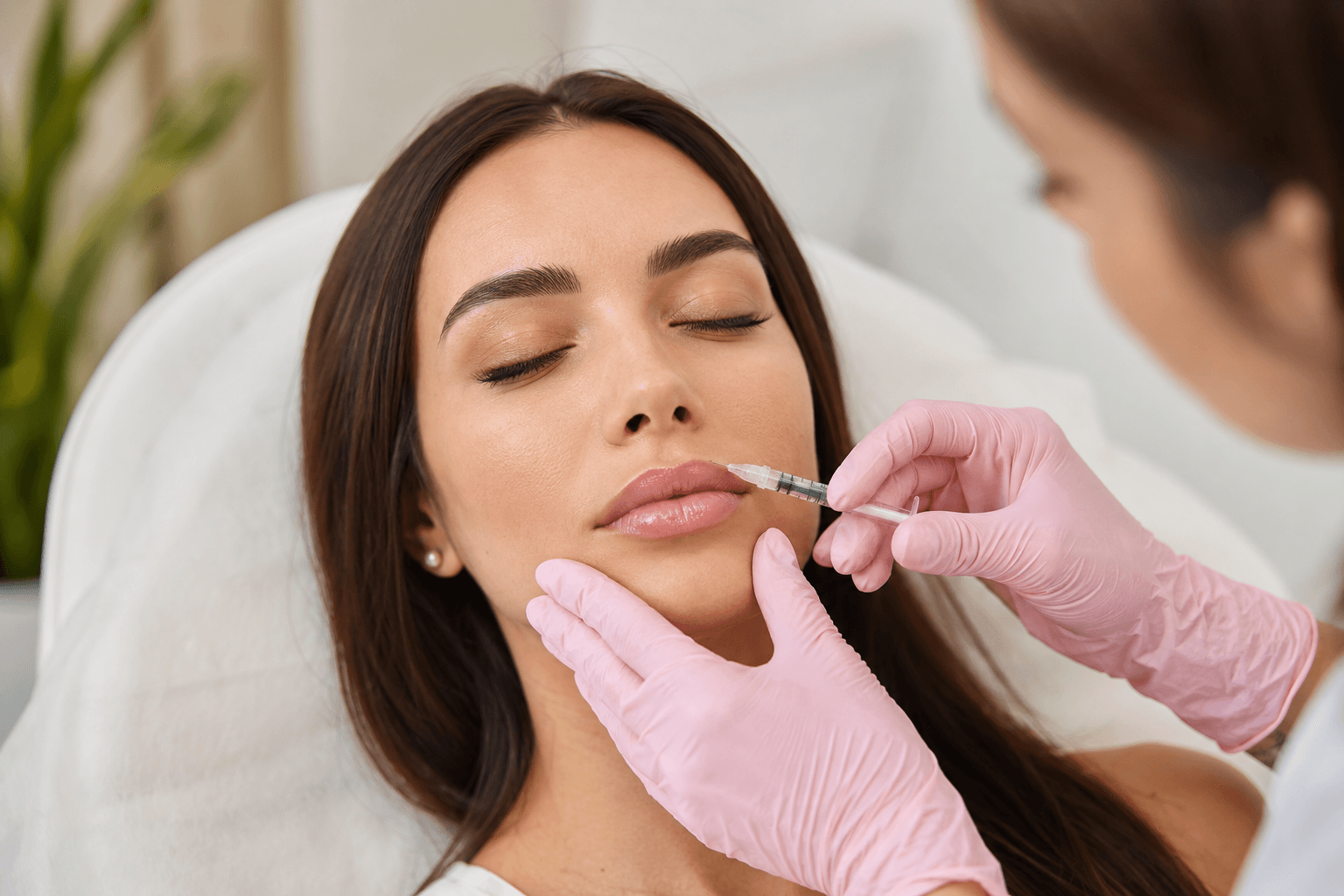
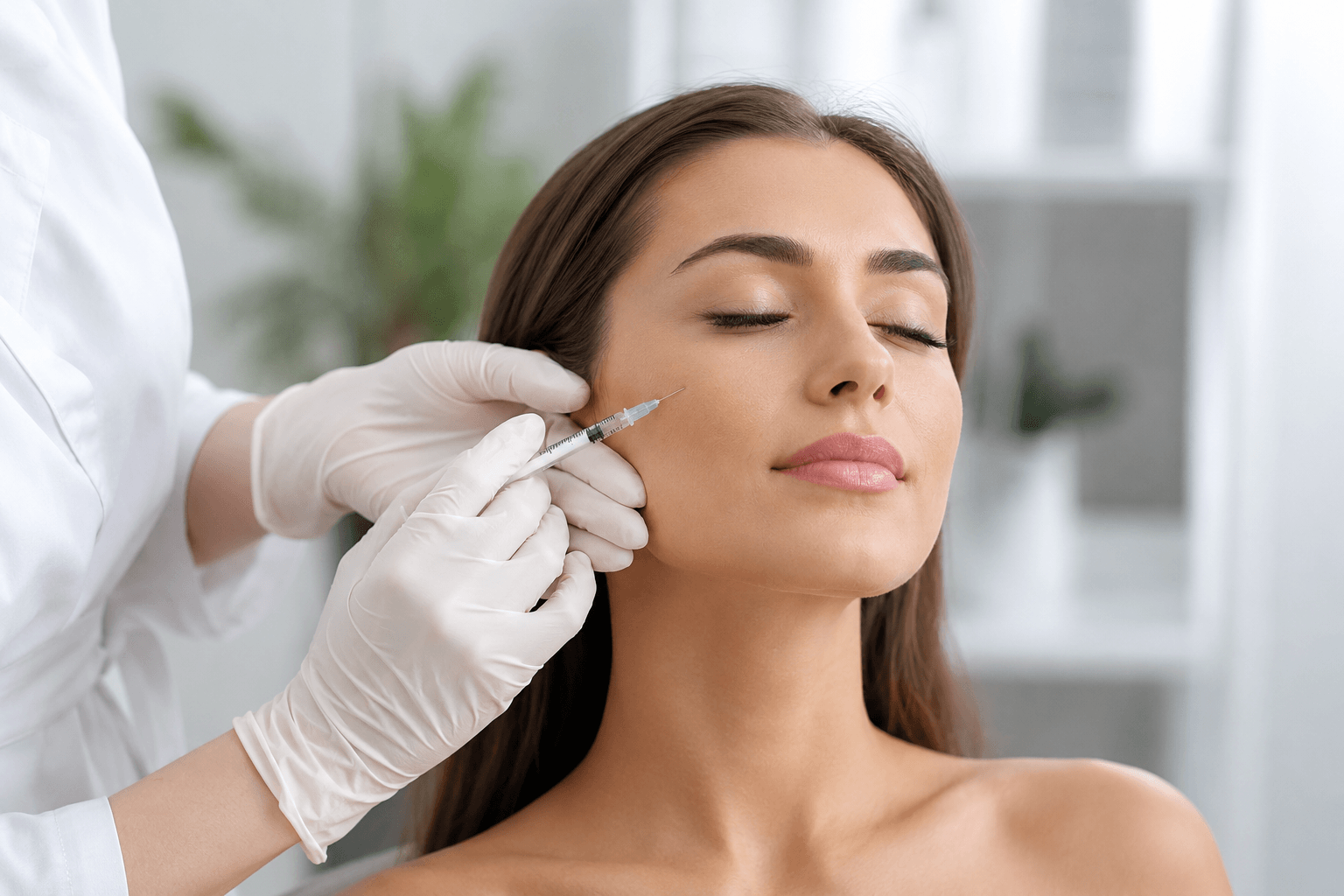
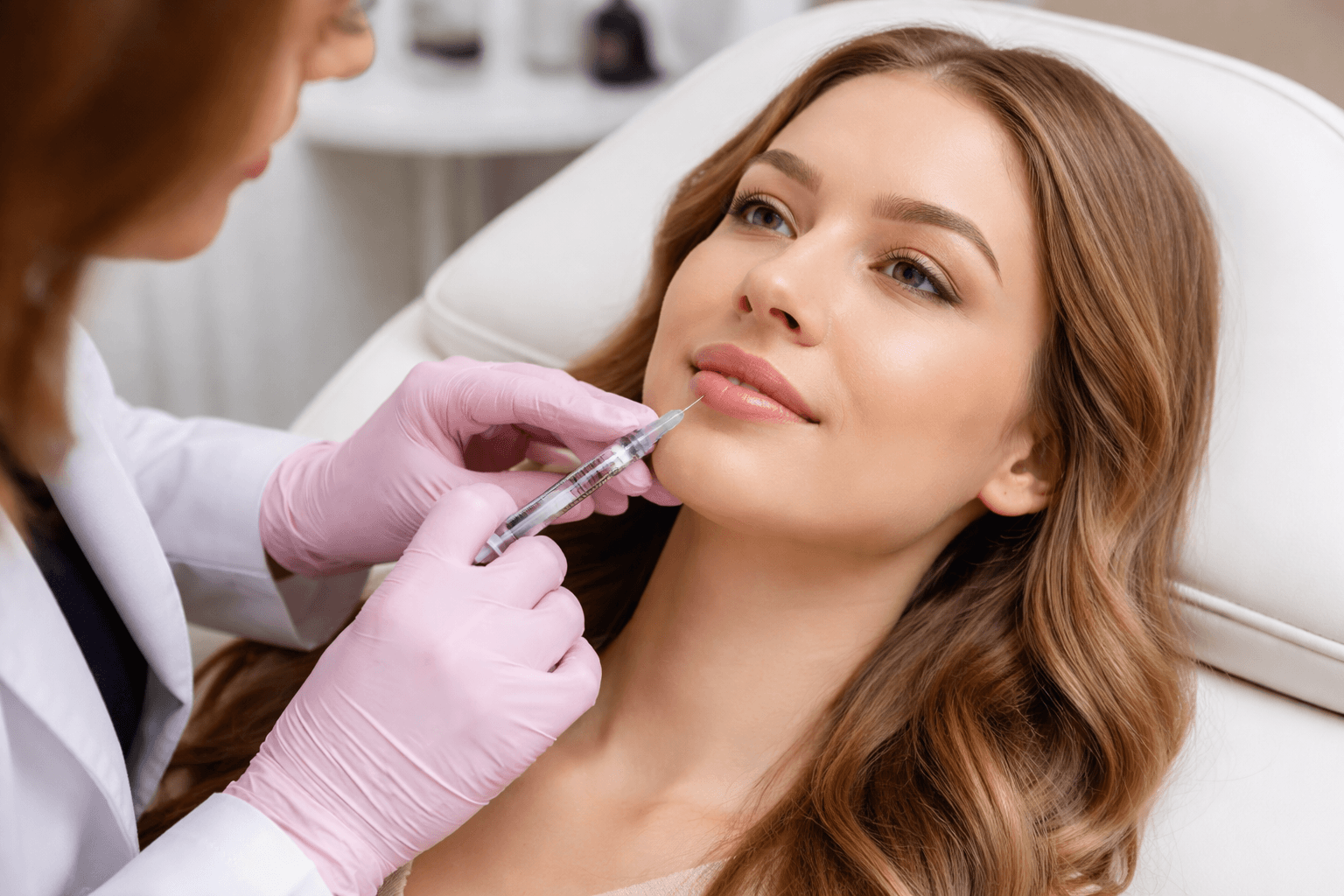
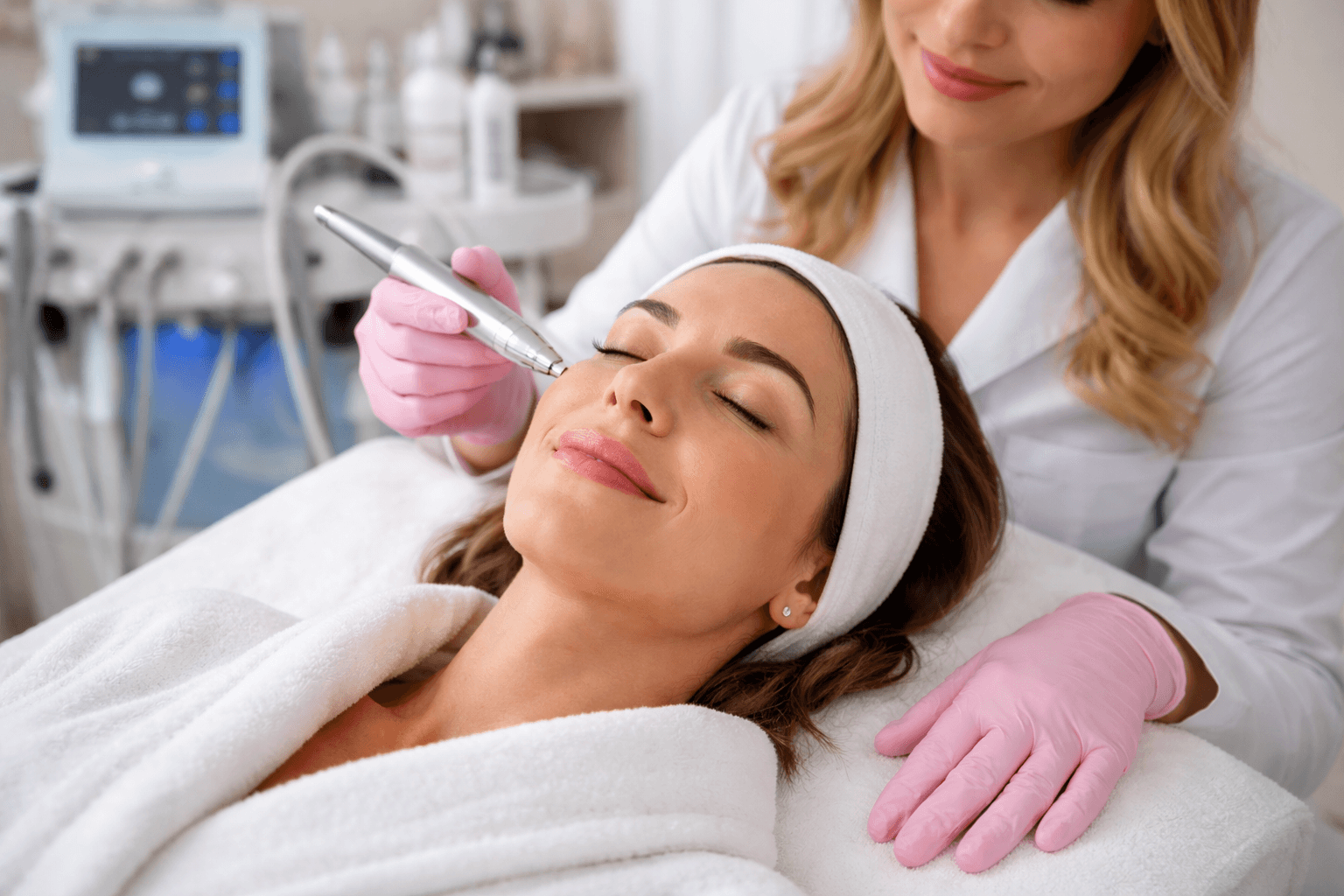
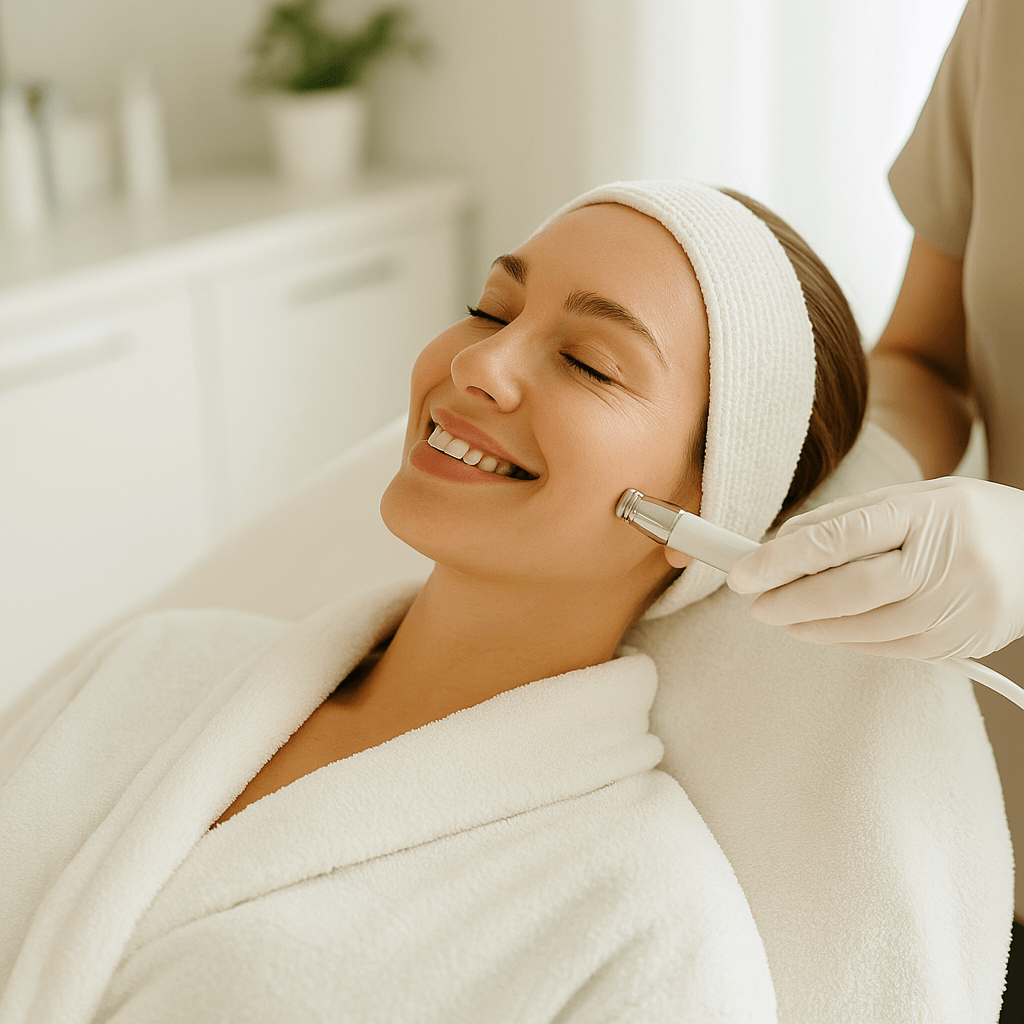
A comprehensive clinic typically offers a mix of treatments that can be used independently or combined based on individual needs. This often includes Botox for dynamic wrinkles caused by muscle movement, dermal fillers for volume restoration in areas like the cheeks, lips, and jawline, thread treatments for subtle lifting, and regenerative medicine options designed to support the skin's natural collagen production over time.
Having access to this full range under one roof, with one cohesive care team, tends to produce more consistent results than piecing together treatments from multiple unrelated providers who are not communicating with each other about your overall facial plan.
Ask specifically about the medical licensing and training of whoever will be performing your treatment, and how the practice handles physician oversight for injectable procedures.
A clinic that spends real time evaluating your full facial structure before recommending treatment is generally taking a more thoughtful, medically grounded approach than one that jumps straight to a treatment menu.
Even with highly experienced providers, minor complications like bruising or asymmetry can occur. A reputable clinic has clear protocols for addressing these issues and follows up proactively rather than leaving patients to manage concerns on their own.
A clinic offering a broader range of complementary treatments gives you more flexibility to build a plan that addresses your face as a whole, rather than being limited to whatever single service a narrower provider happens to specialize in.
Patients who are new to cosmetic treatments often benefit significantly from the more thorough consultation process a clinic provides, since it helps set realistic expectations from the very first visit. Patients managing multiple concerns, such as both expression lines and volume loss, also tend to benefit from a coordinated treatment plan rather than addressing each concern in isolation with different providers.
Even experienced patients who have had treatments elsewhere often find value in switching to a clinic model once they are looking for more consistent, long term results rather than a series of disconnected appointments.
What is the difference between an aesthetic clinic and a medspa? The terms often overlap, though an aesthetic clinic typically places a stronger emphasis on physician led treatment planning and a broader, more coordinated range of services rather than standalone treatments.
Do I need a referral to visit an aesthetic clinic? No, most aesthetic clinics accept direct consultations without requiring a referral from another physician.
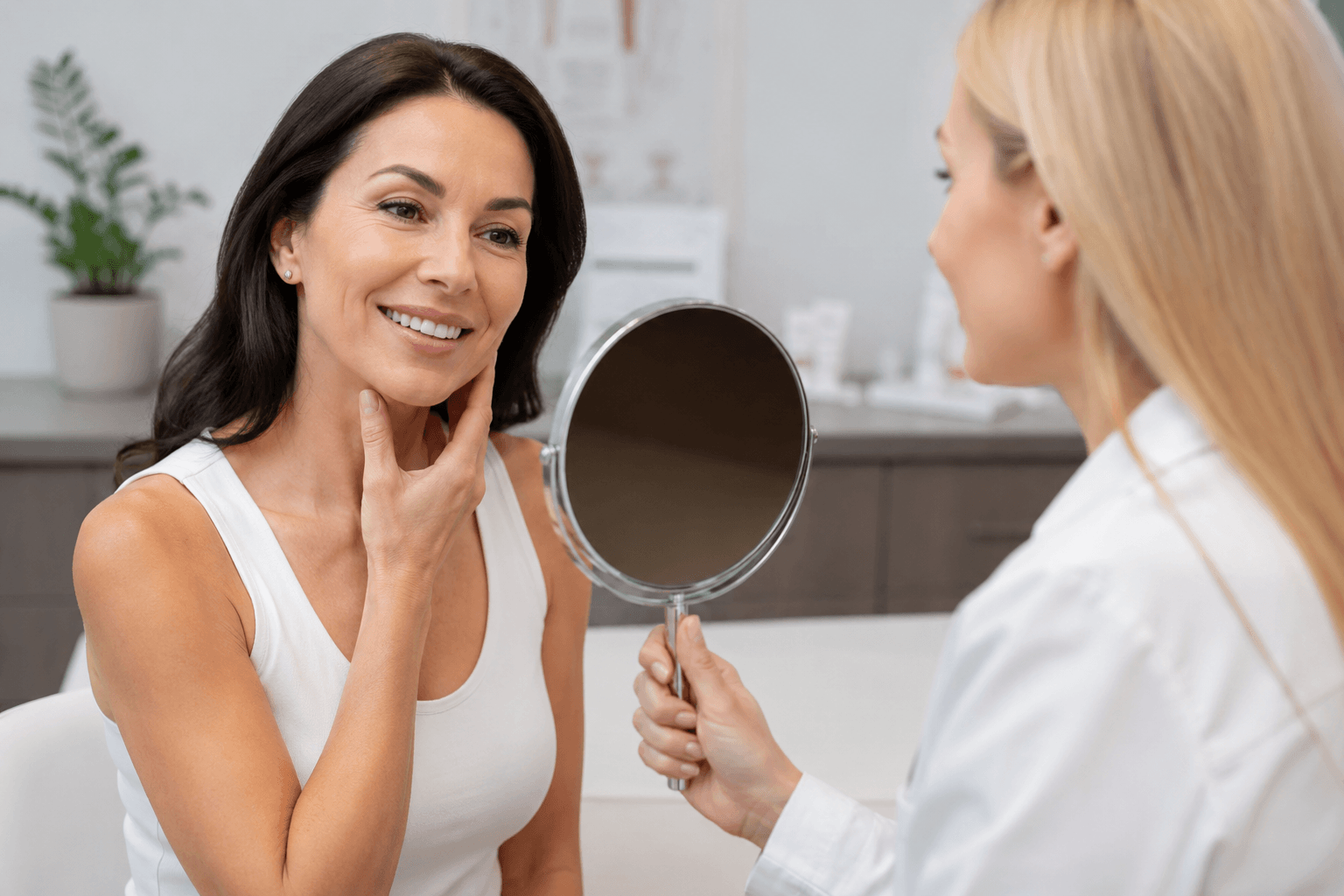
How is treatment at an aesthetic clinic personalized? Through a detailed consultation and facial assessment that considers your medical history, skin quality, facial structure, and specific goals before recommending a treatment plan.
Can an aesthetic clinic treat more than one concern at a time? Yes, many patients address multiple concerns, such as expression lines and volume loss, within a single coordinated treatment plan rather than separate appointments with different providers.
How often should I follow up with my provider after treatment? This varies by treatment type, but most clinics recommend a follow up visit within a few weeks of your initial treatment, with maintenance appointments scheduled based on how your results progress over time.
The right aesthetic clinic should feel less like a transaction and more like an ongoing partnership focused on how your face changes over time. Smooth Aesthetics takes a comprehensive approach to facial assessment and treatment planning, offering Botox, dermal fillers, threads, and regenerative medicine under one coordinated care plan. Learn more about our clinic or get in touch to schedule your consultation.






.png)
.png)






















.png)



.png)


.png)

.png)
.png)
.png)





.png)


