
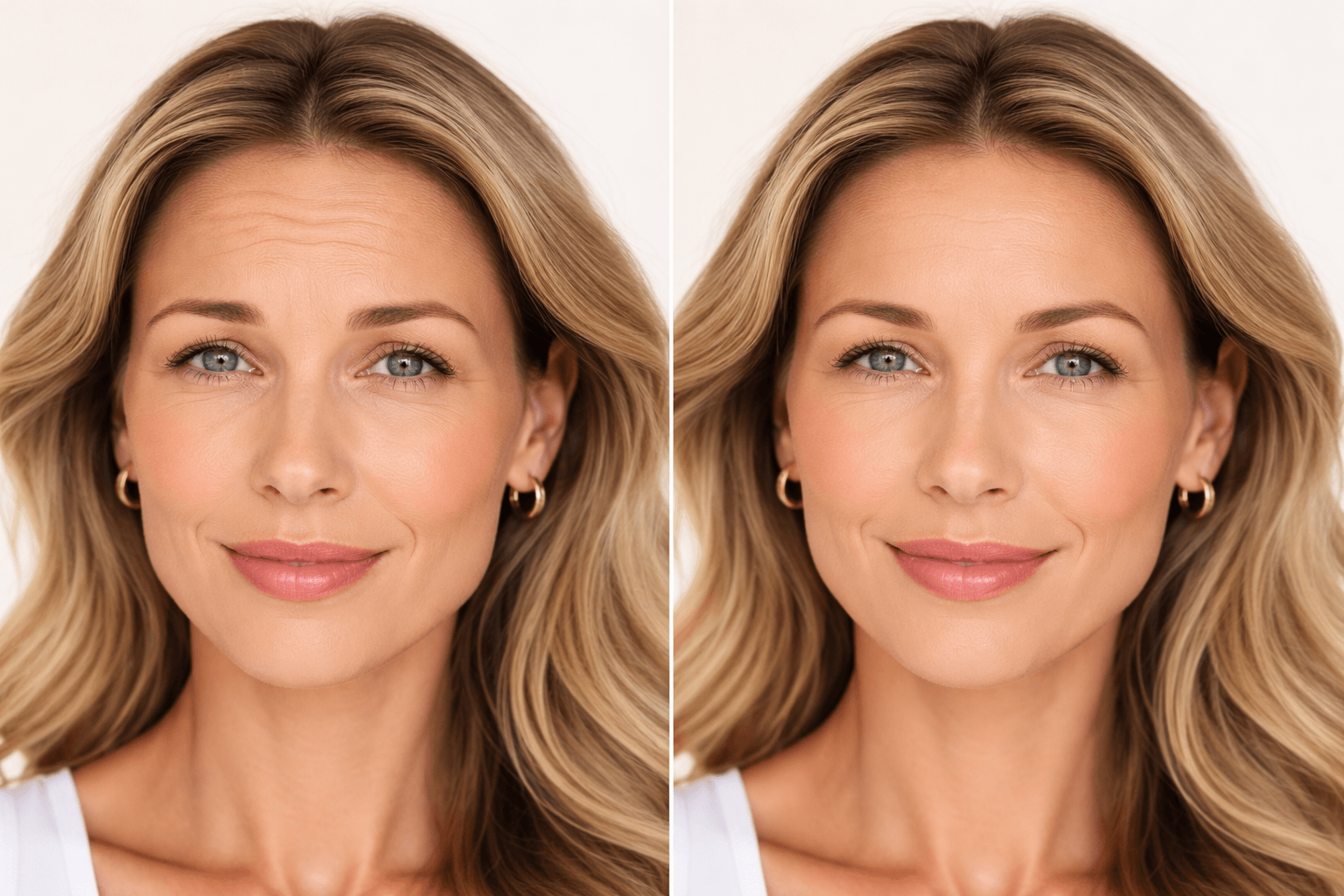
There is a specific kind of tired that has nothing to do with how much sleep you got. It shows up as hollowness in the cheeks, a slightly sunken look near the temples, or a face that just seems to have lost its structure, even though you feel fine. This is usually not fatigue at all. It is volume loss, and it is one of the most common concerns we hear about from people in their late thirties through fifties in Baton Rouge.
Sculptra has become a popular answer to this exact issue because it does not just fill in a line or plump a specific spot. It works with your body to rebuild the structural support you have lost underneath the skin, gradually, over the course of a few months. Here is what causes that hollowed out look in the first place, and how Sculptra addresses it differently than a traditional filler.
This guide was updated in September 2026 with current treatment timelines and candidacy information.
Collagen production drops steadily after your mid twenties, and by your forties, the structural scaffolding that once kept your face looking full has thinned out significantly. This is different from wrinkles. It is a loss of the underlying support that used to hold everything in place.
The fat pads in your face do not just shrink, they shift and settle lower over time due to gravity. This is part of why cheeks that once looked full can start to look flat or even slightly sunken by midlife.
Significant weight loss, whether intentional or from a demanding stretch of life, can leave the face looking gaunt even when the rest of the body looks healthy. This is one of the more common reasons people seek out volume restoring treatments after a major lifestyle change.
Long term stress affects collagen production throughout the body, including the face. People working demanding jobs with little recovery time often notice facial volume loss earlier than they expected, sometimes well before they hit an age where they thought they would need to think about it.
Unlike hyaluronic acid fillers that add immediate volume, Sculptra is made from poly-L-lactic acid, a biocompatible substance that stimulates your own body to produce new collagen over time. Rather than filling a space directly, it triggers a gradual rebuilding process underneath the skin.
Results are not immediate. Most people notice subtle improvement over the following weeks, with full results developing over two to three months as collagen production ramps up. This is one of the biggest differences between Sculptra and traditional dermal fillers, and it is also one of the reasons people like it. Nobody around you will be able to pinpoint the exact day something changed, because nothing changes overnight. It just gradually looks like you, only better supported.
For a closer comparison between the two approaches, this breakdown of Sculptra versus dermal fillers explains which situations call for which treatment.
Sculptra tends to work best for people who are dealing with:
It is typically administered in a series of sessions, often spaced about four to six weeks apart, with most treatment plans involving two to three sessions depending on the amount of volume loss and the results you are looking for.
It might seem counterintuitive that a treatment requiring multiple sessions would appeal to busy professionals, but for a lot of people in demanding careers, Sculptra actually ends up being the lower maintenance option in the long run.
Here is the logic. A single Sculptra session takes roughly the same amount of time as a filler appointment, but the results build gradually and typically last up to two years, sometimes longer. Compare that to fillers that need refreshing every six to twelve months, and the total number of appointments over a two year span is often lower with Sculptra, not higher.
There is also the recovery factor. Because results appear gradually rather than all at once, there is no single day where your face looks noticeably different, which matters for people who do not want colleagues or clients asking questions after a weekend. Most people schedule their sessions during a lighter week and experience only mild, short lived swelling that does not interfere with work.
For professionals managing client meetings, travel, and unpredictable schedules, the appeal of Sculptra often comes down to this: fewer total appointments, no dramatic overnight change, and results that continue improving quietly in the background while you focus on everything else on your plate.
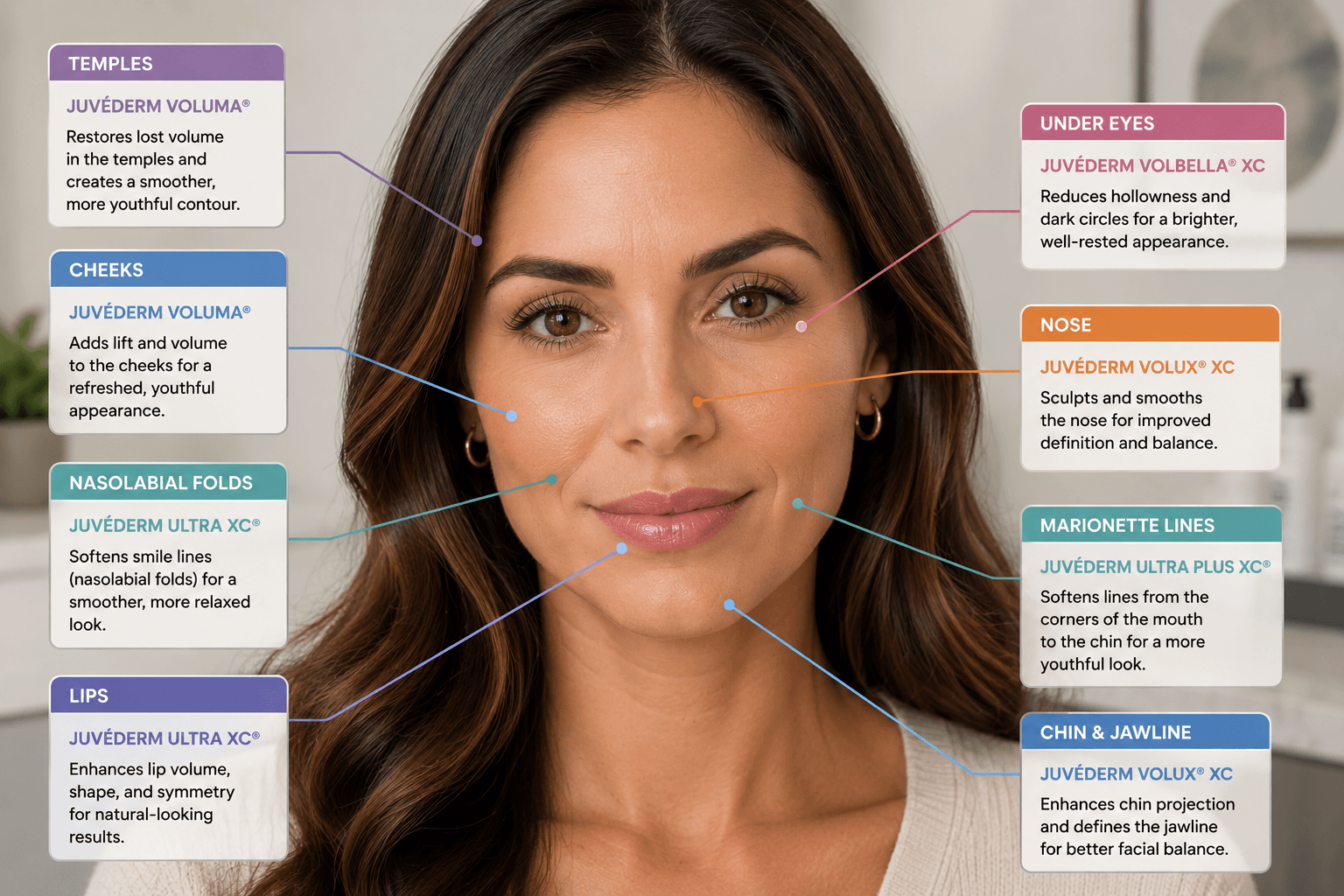
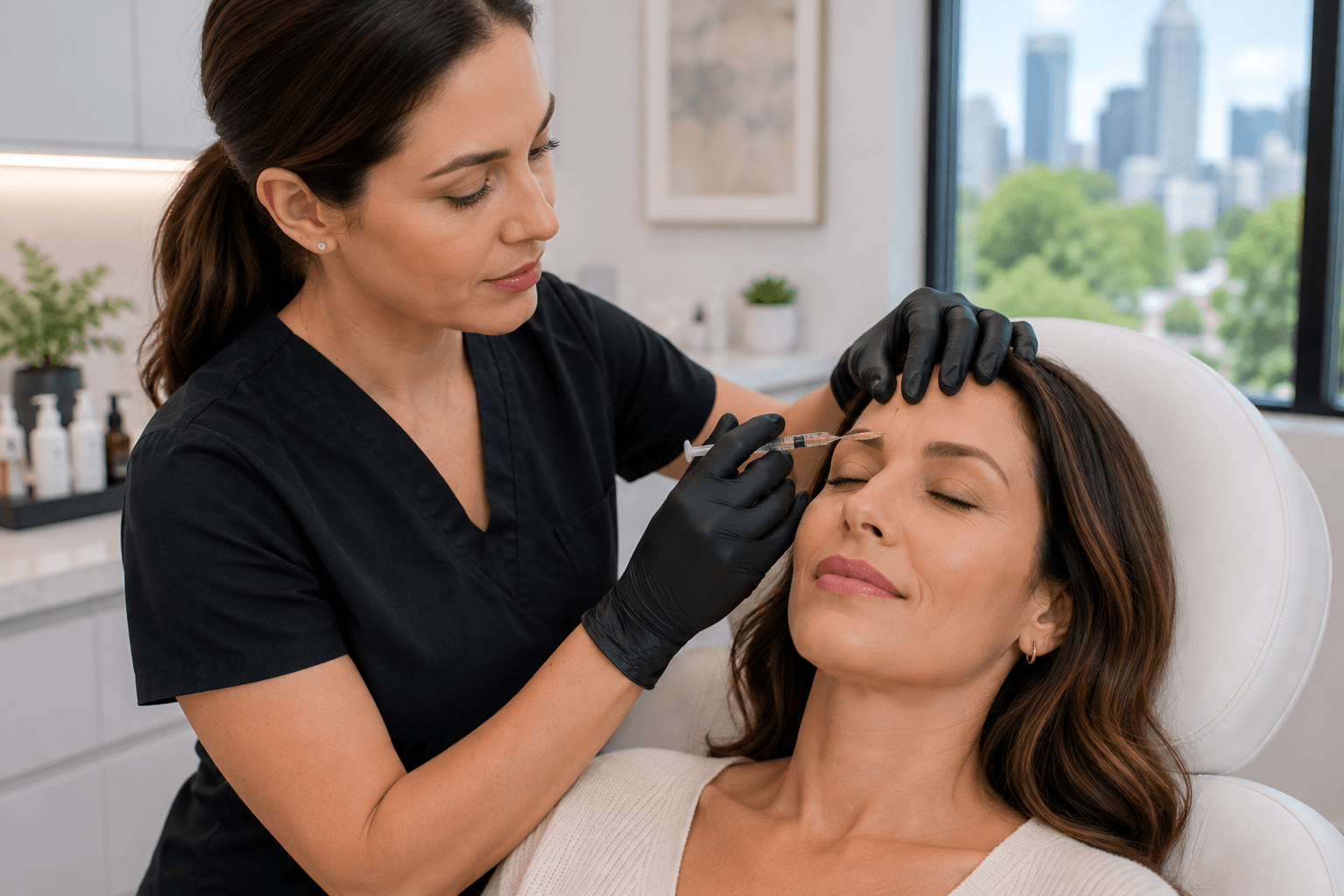
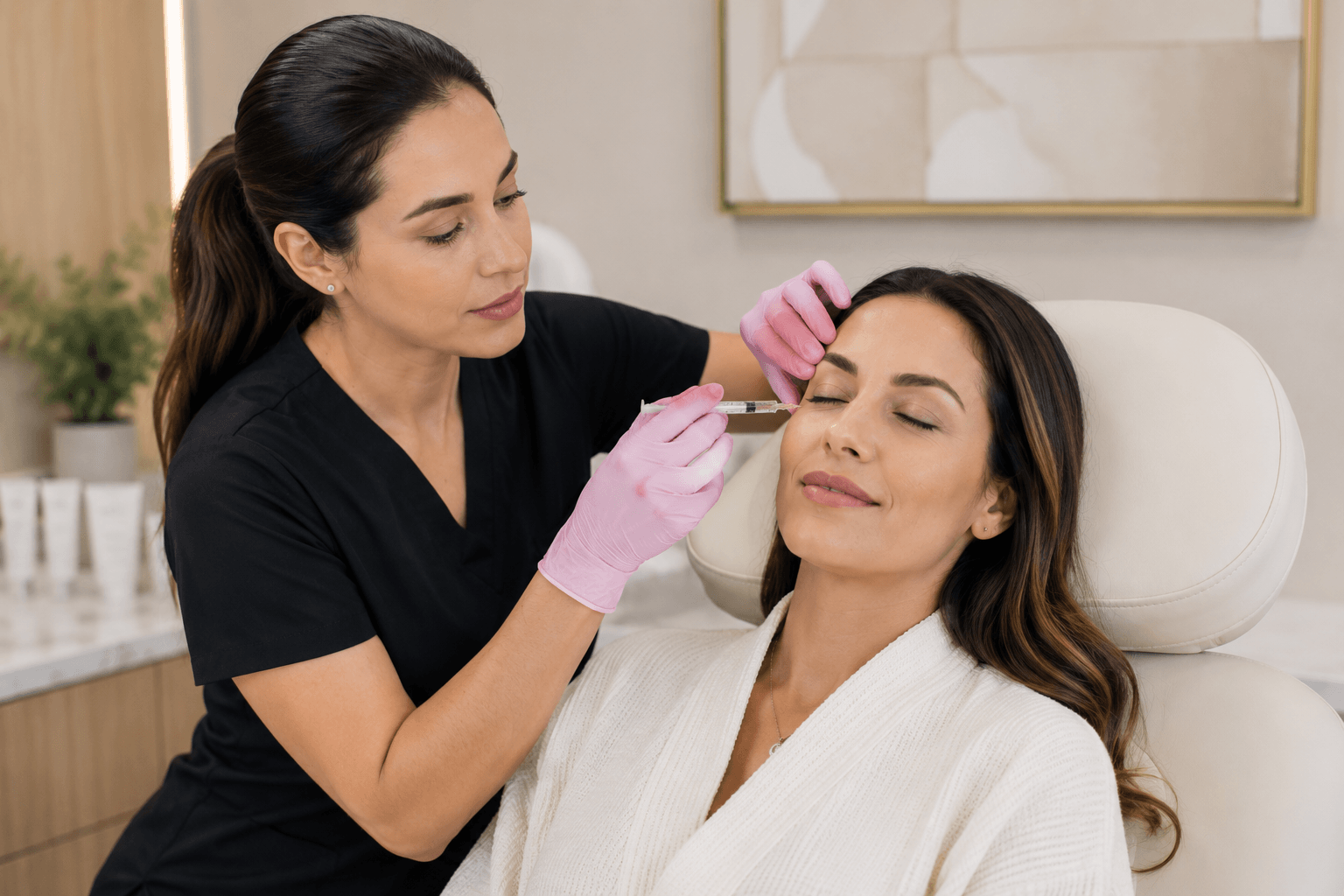
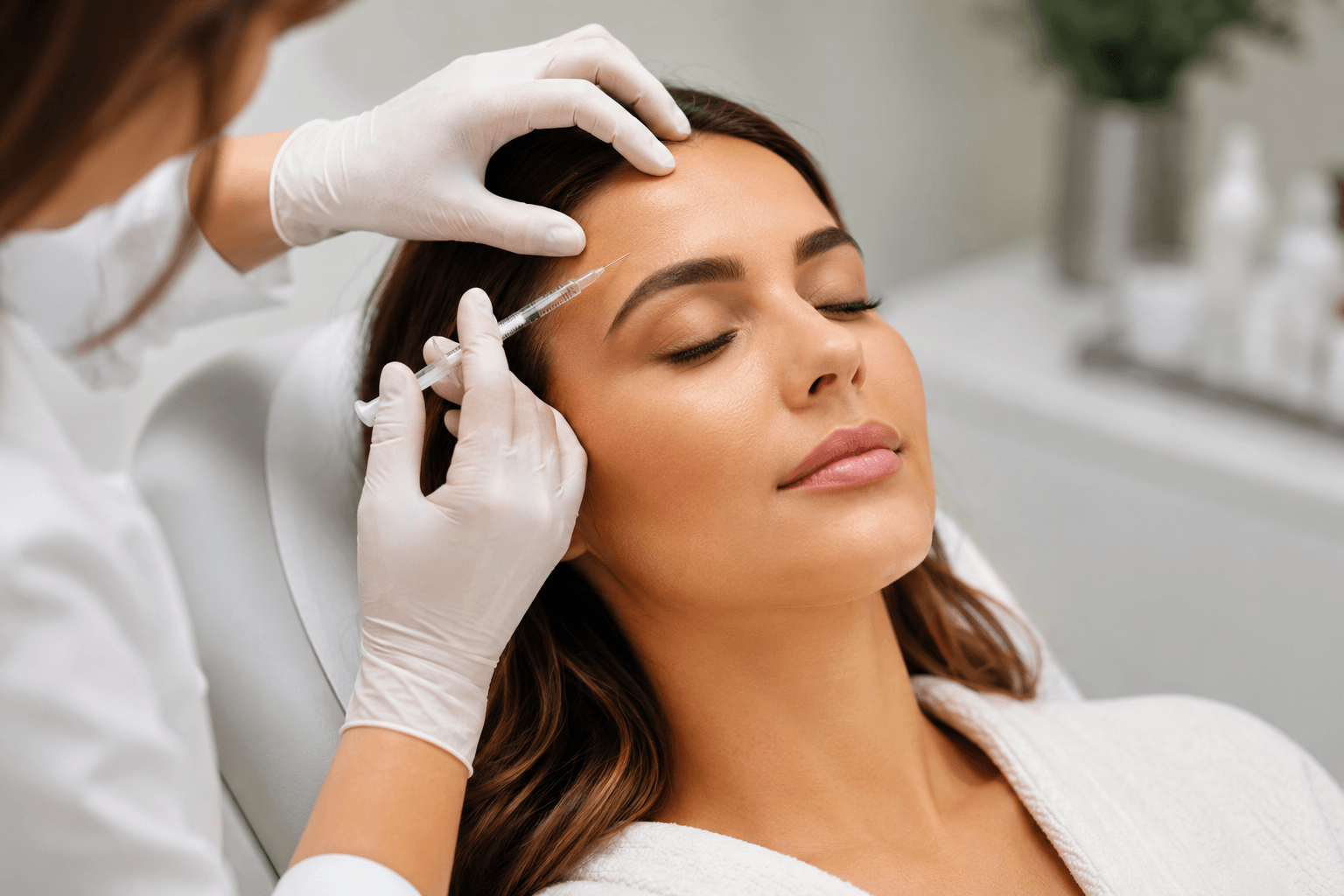
A typical Sculptra session involves a series of small injections into targeted areas of the face, usually the cheeks, temples, or jawline depending on where volume loss is most noticeable. Numbing cream or a local anesthetic is used to keep the process comfortable.
After treatment, mild swelling, redness, or small bumps at the injection sites are common and usually resolve within a few days. Massaging the treated area as instructed by your provider in the days following treatment helps distribute the product evenly.
Most people return to normal activities the same day, though it is generally recommended to avoid strenuous exercise for twenty four to forty eight hours.
Results from a full Sculptra treatment series typically last around two years, though this varies based on your metabolism, skin condition, and the amount of collagen depletion you started with. Because the results build gradually and rely on your own collagen production, many people find that the aging process afterward feels slower and more gradual as well.
Is Sculptra the same as a dermal filler? Not exactly. Traditional dermal fillers add volume immediately using hyaluronic acid, while Sculptra stimulates your body's own collagen production over time using poly-L-lactic acid. Both restore volume, but they work through different mechanisms and on different timelines.
How many Sculptra sessions will I need? Most treatment plans involve two to three sessions spaced about four to six weeks apart, though this depends on your individual level of volume loss and goals.
When will I see results from Sculptra? Subtle changes may be noticeable within a few weeks, but full results typically develop over two to three months as new collagen builds.
Does Sculptra hurt? Discomfort is generally mild thanks to numbing techniques used during treatment. Some soreness or tenderness in the treated area is common for a day or two afterward.
Who should avoid Sculptra? People with active skin infections in the treatment area, certain autoimmune conditions, or known allergies to any of its components should discuss alternatives with a provider during consultation.
Sculptra is not about chasing an instant transformation, it is about giving your face the structural support it has slowly lost, in a way that unfolds just as gradually as it disappeared. If hollowness or a tired looking face has been on your mind, a consultation is the best way to find out whether this approach fits your goals. Learn more about regenerative treatments available in Baton Rouge or reach out to the team to ask questions before booking.













.png)
.png)






































.png)



.png)


.png)

.png)
.png)
.png)





.png)


